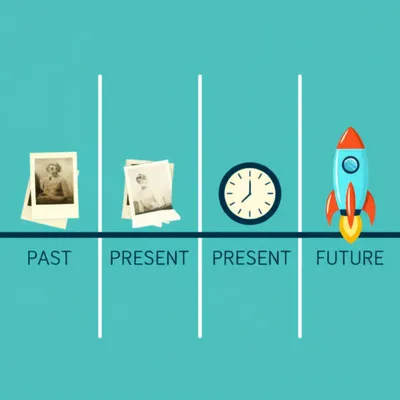
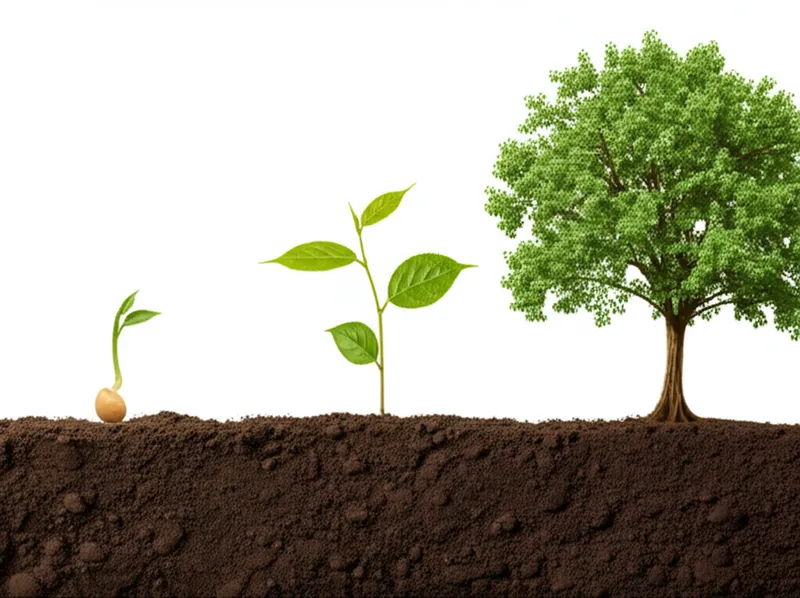
noun Descargar 🔗Compartir Tiempos verbales (grammar) Any of the forms of a verb which distinguish when an action or state of being occurs or exists. Examples : "Learning to use different verb tenses correctly, like past, present, and future, is important for clear communication. " Aprender a usar correctamente los diferentes tiempos verbales, como el pasado, el presente y el futuro, es importante para una comunicación clara. grammar language linguistics Chat con IAJuego de vocabularioPracticar lectura
noun Descargar 🔗Compartir Tiempos verbales (grammar) An inflected form of a verb that indicates tense. Examples : "English only has a present tense and a past tense; it has no future tense." El inglés solo tiene tiempo presente y pasado; no tiene tiempo futuro. grammar language linguistics Chat con IAJuego de vocabularioPracticar lectura
noun Descargar 🔗Compartir Tiempos verbales The property of indicating the point in time at which an action or state of being occurs or exists. Examples : "Dyirbal verbs are not inflected for tense." Los verbos dyirbal no se conjugan por tiempo verbal. grammar language linguistics time Chat con IAJuego de vocabularioPracticar lectura
verb Descargar 🔗Compartir Conjugar en un tiempo verbal (grammar) To apply a tense to. Examples : "tensing a verb" Conjugar un verbo. grammar language linguistics Chat con IAJuego de vocabularioPracticar lectura
verb Descargar 🔗Compartir Tensar, poner tenso To make or become tense. Examples : "When the dog barked loudly, the little boy tenses his shoulders in fear. " Cuando el perro ladró fuerte, el niño pequeño tensó los hombros por miedo. physiology mind Chat con IAJuego de vocabularioPracticar lectura