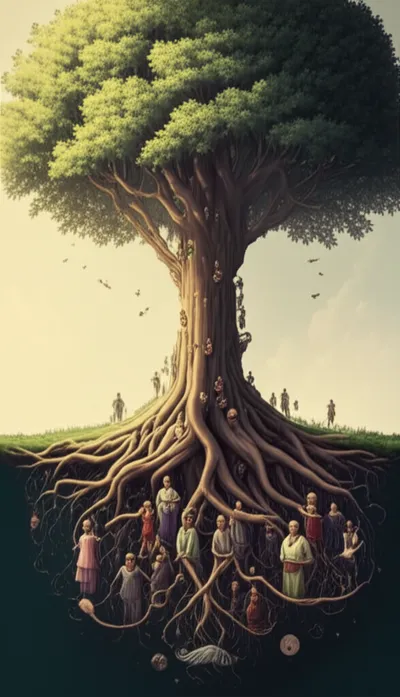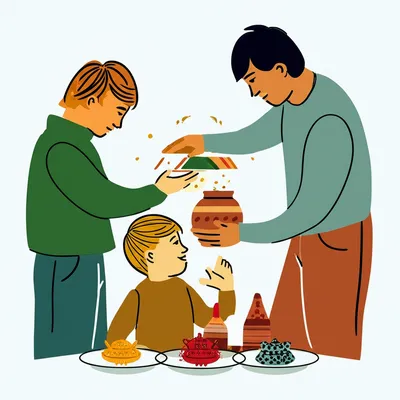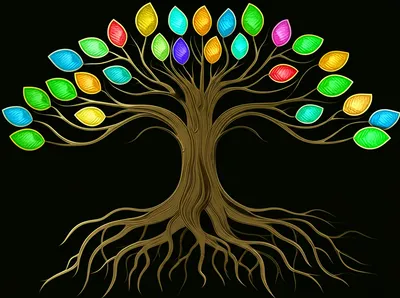
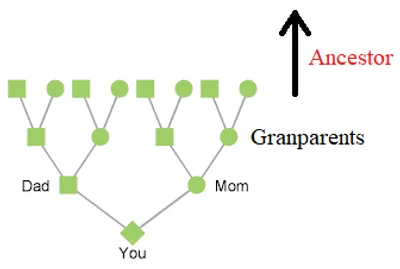

noun🔗ShareAncêtre, aïeulOne from whom a person is descended, whether on the father's or mother's side, at any distance of time; a progenitor; a forefather."My great-grandmother was a talented musician, and I consider her an ancestor. "Mon arrière-grand-mère était une musicienne talentueuse, et je la considère comme une ancêtre.familyhistorypersonChat with AIVocabulary GamePractice Reading
noun🔗ShareAncêtre, aïeulAn earlier type; a progenitor"This fossil animal is regarded as the ancestor of the horse."Cet animal fossile est considéré comme l'ancêtre du cheval.familyhistorypersonChat with AIVocabulary GamePractice Reading
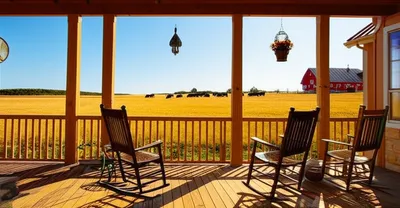
noun🔗ShareAncêtreOne from whom an estate has descended;—the correlative of heir."My great-grandmother was the ancestor from whom my family inherited the old farmhouse. "Mon arrière-grand-mère était l'ancêtre de qui ma famille a hérité de l'ancienne ferme.familyhistorypersonChat with AIVocabulary GamePractice Reading
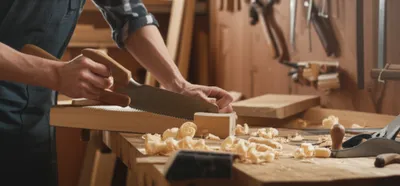
noun🔗ShareAncêtre, aïeulOne who had the same role or function in former times."My grandfather, an ancestor of my family's farming tradition, was a skilled carpenter. "Mon grand-père, un ancêtre de la tradition agricole de ma famille, était un charpentier talentueux.familyhistorypersonChat with AIVocabulary GamePractice Reading
noun🔗ShareMot d'origine, ancêtreA word or phrase which serves as the origin of a term in another language."The word "telephone" is an ancestor of the French word "téléphone". "Le mot « telephone » est un ancêtre du mot français « téléphone ».languagewordhistoryChat with AIVocabulary GamePractice Reading
verb🔗ShareÊtre l'ancêtre deTo be an ancestor of."My great-grandmother ancistered me, which means she was one of my direct ancestors. "Mon arrière-grand-mère a été mon ancêtre, ce qui signifie qu'elle était l'une de mes ancêtres directs.familyhistoryChat with AIVocabulary GamePractice Reading