
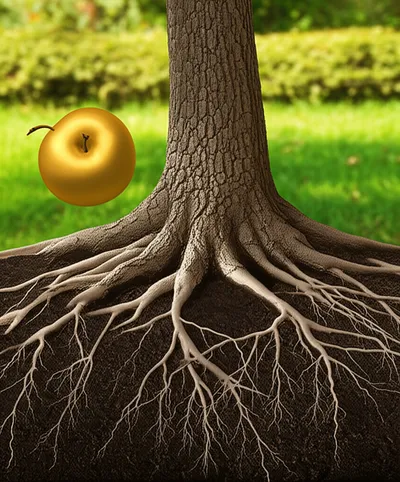

verb🔗Share得る, 引き出すTo obtain or receive (something) from something else."The students derived their knowledge about the Roman Empire from the textbook. "生徒たちはローマ帝国の知識を教科書から得ました。sciencebusinesseconomyessentialtoeflChat with AIVocabulary GamePractice Reading
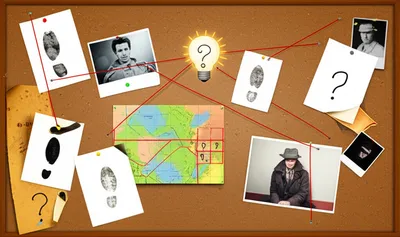
verb🔗Share導き出す, 推論するTo deduce (a conclusion) by reasoning."From the clues in the text, we can derive the conclusion that the author is worried about the upcoming exam. "テキスト内の手がかりから、著者が迫り来る試験を心配しているという結論を導き出すことができます。logicphilosophytheoryessentialtoeflChat with AIVocabulary GamePractice Reading
verb🔗Share(単語やフレーズの)語源を導き出すTo find the derivation of (a word or phrase)."The student derived the etymology of the word "optimistic" from a dictionary. "学生は辞書から「optimistic」という単語の語源を導き出した。languagelinguisticswordwritingessentialtoeflChat with AIVocabulary GamePractice Reading
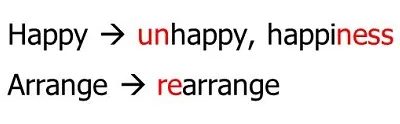
verb🔗Share誘導する、派生させるTo create (a compound) from another by means of a reaction."Scientists derived a new type of fertilizer from seaweed. "科学者たちは海藻から新しい種類の肥料を誘導した。chemistrycompoundsubstancescienceessentialtoeflChat with AIVocabulary GamePractice Reading
verb🔗Share由来する, 派生するTo originate or stem (from)."The children's enthusiasm for learning derives from their supportive parents. "子供たちの学習への熱意は、彼らを支える両親から由来する。languagelinguisticshistoryessentialtoeflChat with AIVocabulary GamePractice Reading
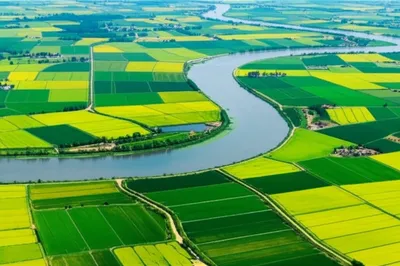
verb🔗Shareそらす, 転換するTo turn the course of (water, etc.); to divert and distribute into subordinate channels."The irrigation system derives the river's water into smaller canals to water the crops. "灌漑システムは、作物を灌漑するために、川の水をより小さな水路にそらします。utilityagricultureenvironmentessentialtoeflChat with AIVocabulary GamePractice Reading