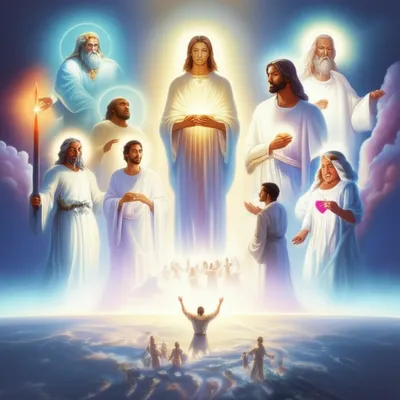

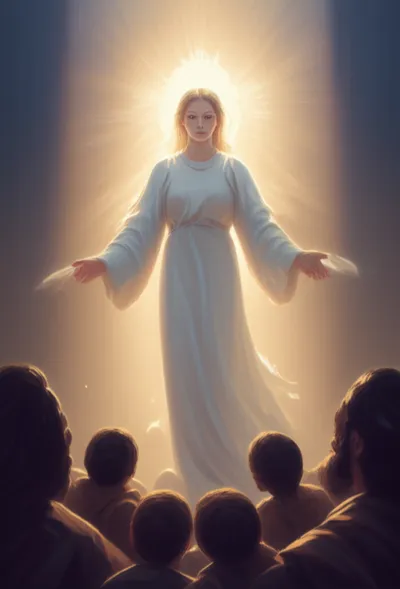
noun🔗Share神々A supernatural divine being; a god or goddess."The ancient Greeks believed in many divinities, each with their own powers and responsibilities. "古代ギリシャ人は、それぞれ独自の力と責任を持つ多くの神々を信じていました。religionmythologytheologysupernaturalbeingChat with AIVocabulary GamePractice Reading
noun🔗Share神性The state, position, or fact of being a god or God. [from 14th c.]"In ancient Rome, people believed that certain emperors achieved divinities after their deaths, becoming gods worshipped by the public. "古代ローマでは、人々は特定の皇帝が死後神性を獲得し、国民に崇拝される神になったと信じていました。religionmythologytheologyChat with AIVocabulary GamePractice Reading
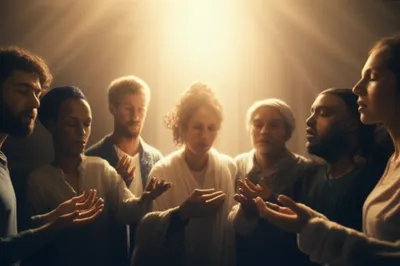
noun🔗Share神々, 神A celestial being inferior to a supreme God but superior to man."In some ancient religions, heroes and powerful ancestors were considered divinities worthy of respect and offerings. "いくつかの古代宗教では、英雄や強力な先祖は尊敬と供物を捧げるに値する神々と考えられていた。religionmythologytheologysupernaturalbeingChat with AIVocabulary GamePractice Reading
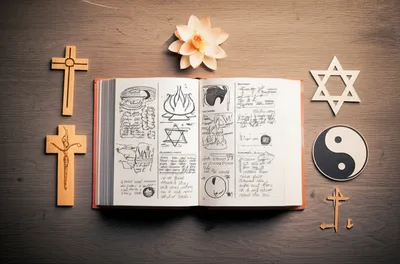
noun🔗Share神学、宗教学The study of religion or religions."Scholars of divinities often explore the diverse beliefs and practices surrounding gods and goddesses across different cultures. "宗教学者は、さまざまな文化における神々や女神に関する多様な信念や慣習を研究することが多いです。religiontheologymythologyChat with AIVocabulary GamePractice Reading
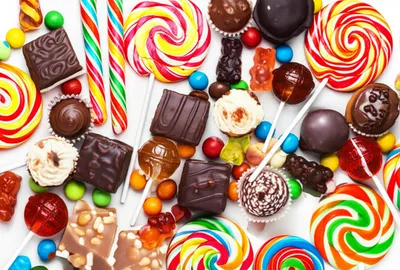
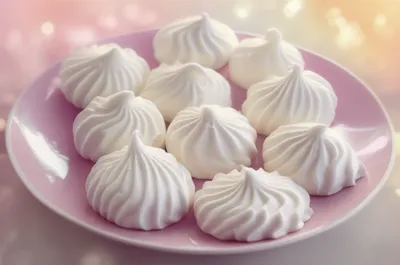
noun🔗Share卵白、コーンシロップ、白砂糖で作られたお菓子A type of confectionery made with egg whites, corn syrup, and white sugar."For the school bake sale, Maria made trays of divinities, hoping their fluffy, melt-in-your-mouth texture would be a big hit. "学校のベイクセールのために、マリアはふわふわで口の中でとろける食感が大ヒットすることを願って、卵白、コーンシロップ、白砂糖で作られたお菓子をたくさん作りました。foodChat with AIVocabulary GamePractice Reading