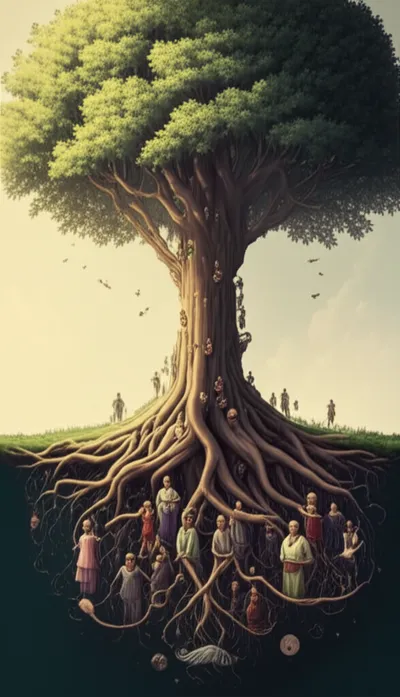
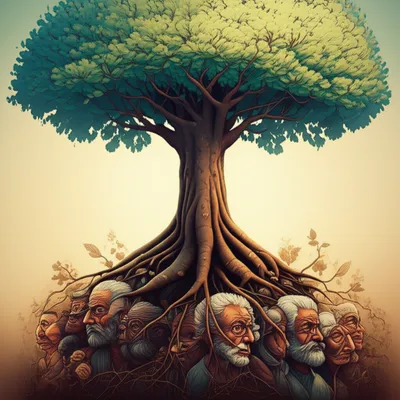
noun ダウンロード 🔗共有 先祖, 祖先 One from whom a person is descended, whether on the father's or mother's side, at any distance of time; a progenitor; a forefather. Examples : "My ancestors came from Ireland during the potato famine. " 私の先祖はジャガイモ飢饉の間にアイルランドから来ました。 family history person human AIとチャット語彙ゲーム読解練習
noun ダウンロード 🔗共有 先祖, 祖先 An earlier type; a progenitor Examples : "This fossil animal is regarded as the ancestor of the horse." この化石動物は馬の祖先と見なされています。 family history person AIとチャット語彙ゲーム読解練習
noun ダウンロード 🔗共有 先祖 One from whom an estate has descended;—the correlative of heir. Examples : "My ancestors owned this land for generations before passing it down to me. " 私の先祖は何世代にもわたってこの土地を所有し、私に受け継がれました。 family history property AIとチャット語彙ゲーム読解練習
noun ダウンロード 🔗共有 先祖, 祖先 One who had the same role or function in former times. Examples : ""Modern doctors use advanced technology, but their ancestors, like ancient healers, also tried to cure illnesses with the knowledge they had." " 現代の医者は高度な技術を使用しますが、彼らの先祖、古代の治療師のように、彼らも持っている知識で病気を治そうとしました。 family history person past AIとチャット語彙ゲーム読解練習
noun ダウンロード 🔗共有 先祖 A word or phrase which serves as the origin of a term in another language. Examples : "The Latin word "aqua," meaning water, is one of the ancestors of the English word "aquatic." " 「水」を意味するラテン語の「aqua」は、英語の「aquatic」の先祖の一つです。 language word history linguistics family AIとチャット語彙ゲーム読解練習
verb ダウンロード 🔗共有 先祖である To be an ancestor of. Examples : "My great-grandmother ancestors me; she lived before me and is part of my family history. " 私の曾祖母は私の先祖です。彼女は私より前に生きており、私の家族の歴史の一部です。 family history AIとチャット語彙ゲーム読解練習