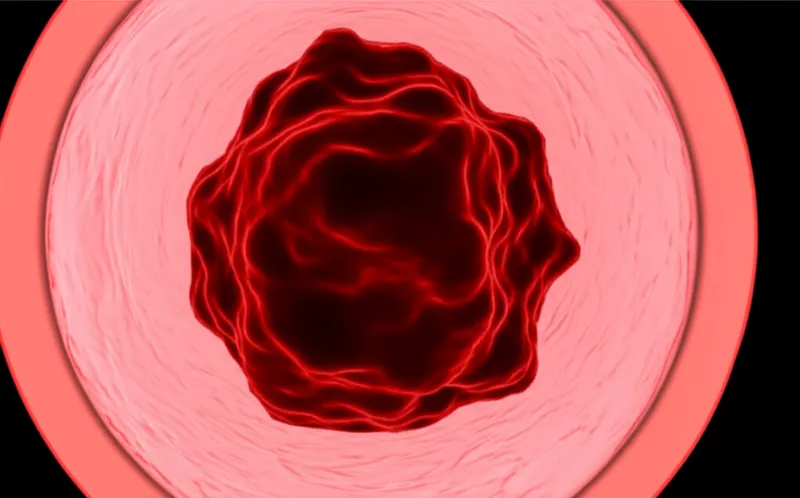
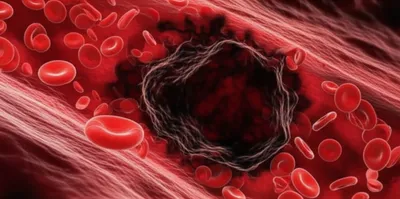
noun 다운로드 🔗공유 응고, 혈전 A thrombus, solidified mass of blood. Examples : "After sitting still on the long airplane flight, the doctor warned the passenger about the risk of developing clots in their legs. " 오랜 비행기 탑승 동안 가만히 앉아 있은 후, 의사는 승객에게 다리에 혈전이 생길 위험에 대해 경고했습니다. medicine physiology body disease biology anatomy AI와 채팅어휘 게임독해 연습
noun 다운로드 🔗공유 응고된 덩어리 A solidified mass of any liquid. Examples : "After the juice sat in the fridge for a week, I saw thick clots at the bottom of the container. " 주스가 냉장고에 일주일 동안 놓여 있은 후, 용기 바닥에 두꺼운 응고된 덩어리가 보였다. medicine body physiology condition biology AI와 채팅어휘 게임독해 연습
noun 다운로드 🔗공유 바보, 멍청이 A silly person. Examples : ""My brother keeps forgetting his keys; sometimes I think he's a real clots." " “내 동생은 계속 열쇠를 잊어버려요. 가끔은 정말 바보 같아요.” person character AI와 채팅어휘 게임독해 연습
verb 다운로드 🔗공유 응고하다, 엉기다 To form a clot or mass. Examples : "The spilled paint started to clot as it dried on the table. " 엎질러진 페인트가 테이블 위에서 마르면서 엉기기 시작했다. medicine physiology body AI와 채팅어휘 게임독해 연습
verb 다운로드 🔗공유 응고시키다, 엉기다 To cause to clot or form into a mass. Examples : "The cold weather sometimes clots the oil in my car's engine. " 추운 날씨는 때때로 내 차 엔진의 오일을 응고시킨다. medicine physiology body AI와 채팅어휘 게임독해 연습