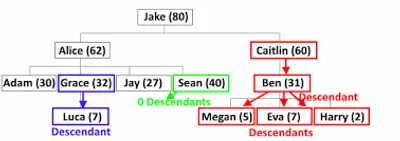
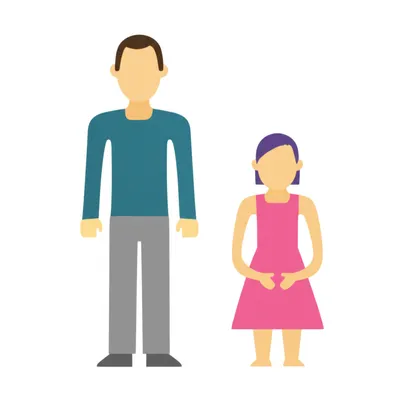
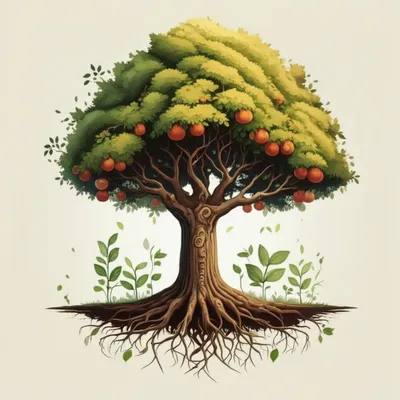
noun 다운로드 🔗공유 자손, 후손 One who is the progeny of a specified person, at any distance of time or through any number of generations. Examples : "The patriarch survived many descendants: five children, a dozen grandchildren, even a great grandchild." 족장은 많은 자손, 즉 다섯 명의 자녀, 12명의 손자, 심지어 증손자까지 살아남았다. family history person toefl AI와 채팅어휘 게임독해 연습
noun 다운로드 🔗공유 후손, 자손 A thing that derives directly from a given precursor or source. Examples : "This famous medieval manuscript has many descendants." 이 유명한 중세 필사본은 많은 후손을 가지고 있습니다. family history toefl AI와 채팅어휘 게임독해 연습
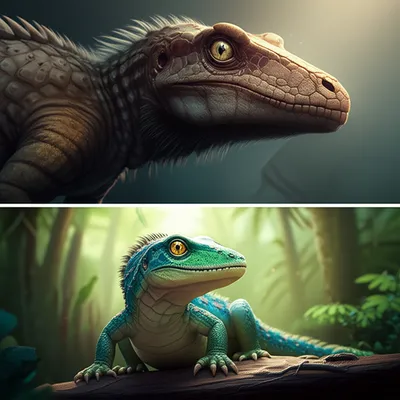
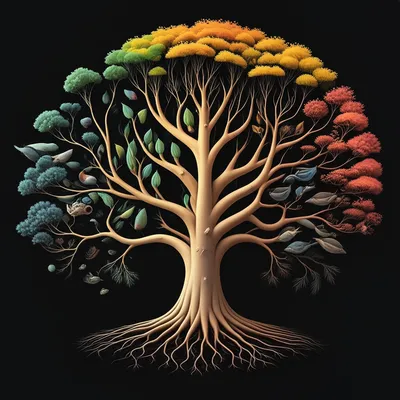
noun 다운로드 🔗공유 후손 A later evolutionary type. Examples : "Dogs evolved as descendants of early wolves." 개는 초기 늑대의 후손으로 진화했다. biology organism family toefl AI와 채팅어휘 게임독해 연습
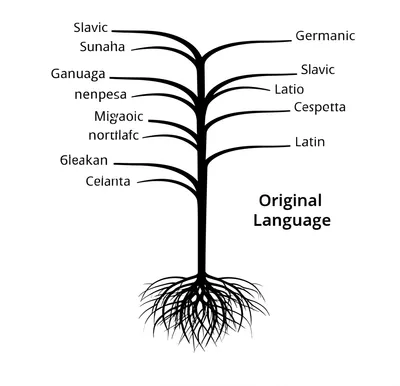
noun 다운로드 🔗공유 후손 A language that is descended from another. Examples : "English and Scots are the descendants of Old English." 영어와 스코틀랜드어는 고대 영어의 후손이다. language family history linguistics toefl AI와 채팅어휘 게임독해 연습
noun 다운로드 🔗공유 후손 A word or form in one language that is descended from a counterpart in an ancestor language. Examples : "The English word "father" is a descendant of the Old English word "faeder." " 영어 단어 "father"는 고대 영어 단어 "faeder"의 후손이다. language linguistics word history toefl AI와 채팅어휘 게임독해 연습
adjective 다운로드 🔗공유 후손의, 자손의 Descending from a biological ancestor. Examples : "My grandmother is a descendant of a long line of farmers. " 나의 할머니는 오랜 농부 가문의 후손이다. family biology human toefl AI와 채팅어휘 게임독해 연습
adjective 다운로드 🔗공유 후손의, 유래하는 Proceeding from a figurative ancestor or source. Examples : "The new marketing strategy is a descendant of the old, proven method. " 새로운 마케팅 전략은 오래되고 입증된 방법에서 유래합니다. family history toefl AI와 채팅어휘 게임독해 연습