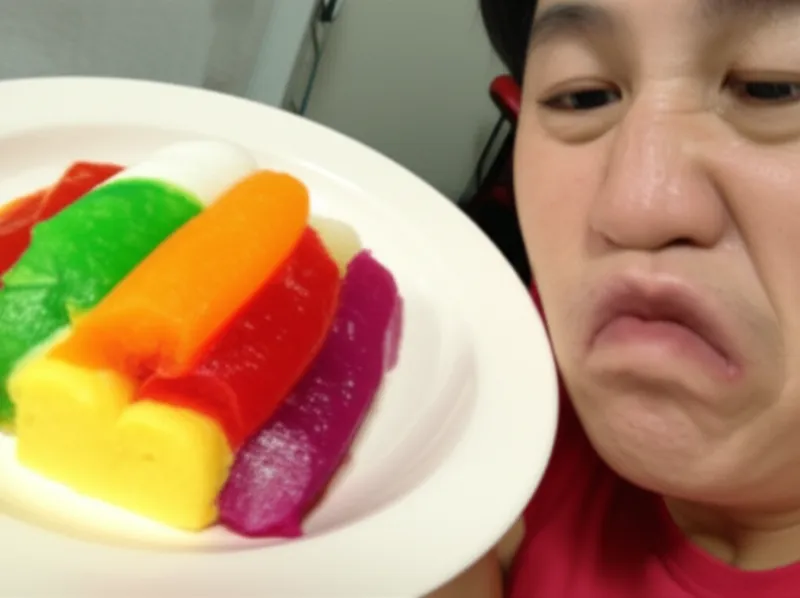







noun🔗Share혐오감, 싫어함A feeling of dislike, aversion or antipathy."She felt a strong distaste for cleaning the bathroom. "그녀는 화장실 청소에 강한 혐오감을 느꼈다.emotionattitudesensationmindChat with AIVocabulary GamePractice Reading
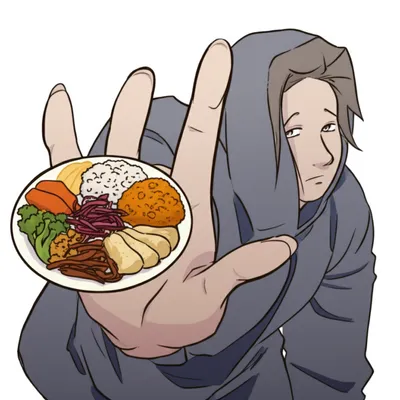
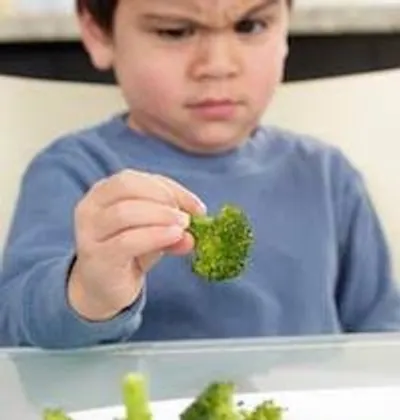
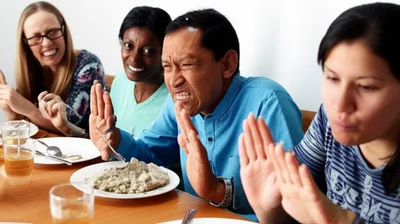
noun🔗Share혐오감, 싫어함Aversion of the taste; dislike, as of food or drink; disrelish."He showed his distaste for broccoli by pushing it to the side of his plate. "그는 브로콜리를 접시 옆으로 밀어내며 혐오감을 드러냈다.fooddrinkattitudesensationChat with AIVocabulary GamePractice Reading
noun🔗Share불쾌함, 불안Discomfort; uneasiness."The long, boring lecture caused a general distaste in the classroom. "길고 지루한 강의는 교실에서 전반적인 불쾌감을 유발했다.sensationmindattitudeemotionChat with AIVocabulary GamePractice Reading
noun🔗Share혐오, 불쾌, 분노Alienation of affection; displeasure; anger."The child's distaste for vegetables was evident from the way he pushed them around his plate, refusing to eat a single bite. "아이가 채소를 싫어하는 것은 한 입도 먹지 않으려고 접시 위에서 채소를 밀어내는 모습에서 분명히 드러났다.attitudeemotionChat with AIVocabulary GamePractice Reading
verb🔗Share싫어하다, 혐오하다To dislike."I distate the idea of another long meeting; I'd much rather work on the project itself. "저는 또 다른 긴 회의는 싫어합니다. 차라리 프로젝트 자체를 하는 게 낫겠어요.attitudeemotionChat with AIVocabulary GamePractice Reading
verb🔗Share비위에 거슬리다, 맛이 없다To be distasteful; to taste bad"The spoiled milk clearly distasted everyone at the breakfast table. "상한 우유는 아침 식탁에 있는 모든 사람에게 분명히 비위에 거슬렸다.sensationfoodattitudeChat with AIVocabulary GamePractice Reading
verb🔗Share불쾌하게 하다, 혐오감을 주다To offend; to disgust; to displease."The loud music at the party completely distasted my neighbor. "파티의 시끄러운 음악은 이웃에게 완전히 불쾌감을 주었다.attitudesensationemotionChat with AIVocabulary GamePractice Reading
verb🔗Share맛을 잃게 하다, 싫어하게 만들다To deprive of taste or relish; to make unsavory or distasteful."The cook's excessive use of salt completely distasted the soup, making it unpleasant to eat. "요리사가 소금을 과도하게 사용하여 수프의 맛을 잃게 하여 먹기에 불쾌하게 만들었다.sensationfoodattitudeChat with AIVocabulary GamePractice Reading