verb 다운로드 🔗공유 흥분시키다, 자극하다 To stir the emotions of. Examples : "The fireworks which opened the festivities excited anyone present." 축제를 연 불꽃놀이는 참석한 모든 사람들을 흥분시켰다. emotion sensation entertainment mind essential AI와 채팅어휘 게임독해 연습
verb 다운로드 🔗공유 자극하다, 흥분시키다, 불러일으키다 To arouse or bring out (e.g. feelings); to stimulate. Examples : "Favoritism tends to excite jealousy in the ones not being favored." 편애는 선호되지 않는 사람들에게 질투심을 불러일으키는 경향이 있다. sensation emotion entertainment essential AI와 채팅어휘 게임독해 연습
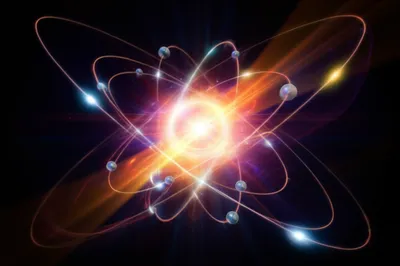
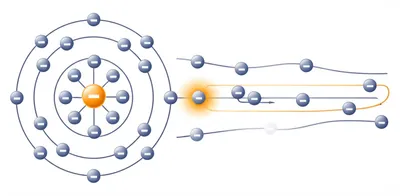
verb 다운로드 🔗공유 흥분시키다 To cause an electron to move to a higher than normal state; to promote an electron to an outer level. Examples : "By applying electric potential to the neon atoms, the electrons become excited, then emit a photon when returning to normal." 네온 원자에 전위차를 가하면 전자가 흥분되어 정상 상태로 돌아갈 때 광자를 방출합니다. physics chemistry energy electronics essential AI와 채팅어휘 게임독해 연습
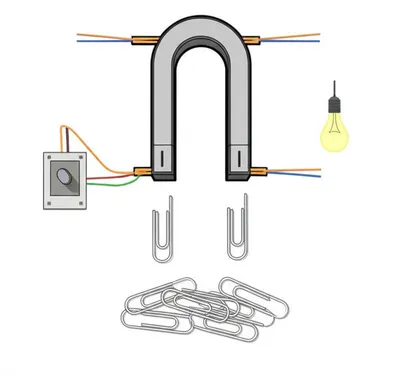
verb 다운로드 🔗공유 자극하다, 흥분시키다 To energize (an electromagnet); to produce a magnetic field in. Examples : "to excite a dynamo" 발전기를 자극하다 energy physics technical essential AI와 채팅어휘 게임독해 연습
noun 다운로드 🔗공유 흥분 The process of something becoming excited; excitation. Examples : "The exciting of the crowd at the school play was palpable. " 학교 연극에서 관객의 흥분은 감지할 수 있었다. sensation emotion mind process essential AI와 채팅어휘 게임독해 연습
adjective 다운로드 🔗공유 흥미로운, 신나는 Creating or producing excitement Examples : "The new science project was exciting; everyone looked forward to presenting their findings. " 새로운 과학 프로젝트는 흥미로웠고, 모두가 자신들의 연구 결과를 발표하기를 고대했습니다. sensation entertainment emotion essential AI와 채팅어휘 게임독해 연습