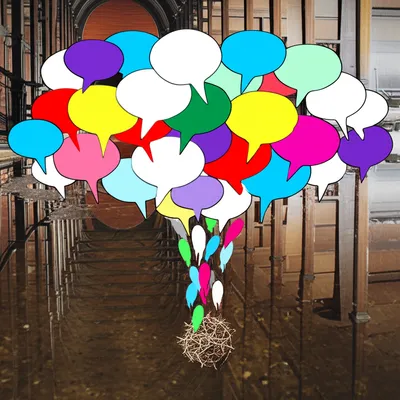
verb 다운로드 🔗공유 입심 좋게 만들다 To make glib. Examples : "The politician tried to glib over the complex issue, making it sound simple and easy to understand, but most people saw right through his superficial explanations. " 그 정치인은 복잡한 문제를 입심 좋게 만들려고 했고, 그것을 단순하고 이해하기 쉽게 보이게 했지만, 대부분의 사람들은 그의 피상적인 설명들을 간파했다. language communication AI와 채팅어휘 게임독해 연습
adjective 다운로드 🔗공유 입심 좋은, 말만 번지르르한, 경박한 Having a ready flow of words but lacking thought or understanding; superficial; shallow. Examples : "The student gave a glib answer to the teacher's question, but he clearly didn't understand the concept. " 그 학생은 선생님의 질문에 입심 좋은 대답을 했지만, 그는 분명히 그 개념을 이해하지 못했다. character attitude language communication person AI와 채팅어휘 게임독해 연습
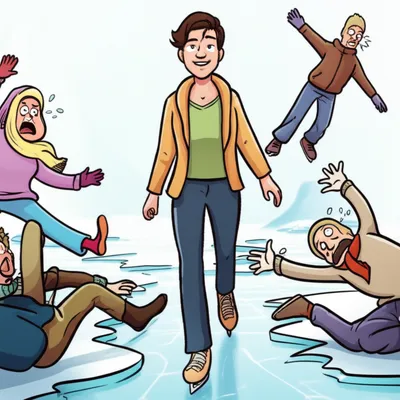
adjective 다운로드 🔗공유 매끄러운, 미끄러운 Smooth or slippery. Examples : "a sheet of glib ice" 매끄러운 얼음판. character attitude language communication AI와 채팅어휘 게임독해 연습
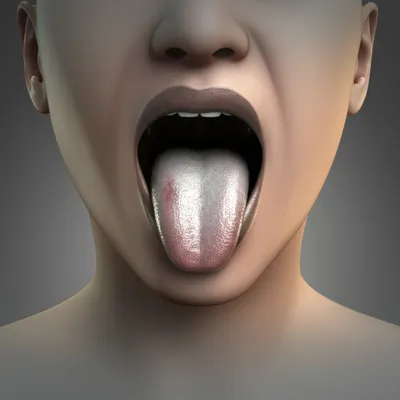
adjective 다운로드 🔗공유 입심 좋은, 말 잘하는 Artfully persuasive but insincere in nature; smooth-talking, honey-tongued, silver-tongued. Examples : "a glib tongue; a glib speech" 입심 좋은 혀; 말 잘하는 연설 character communication language attitude AI와 채팅어휘 게임독해 연습
noun 다운로드 🔗공유 눈 위로 늘어뜨려 썼던 헝클어진 머리카락 덩어리 A mass of matted hair worn down over the eyes, formerly worn in Ireland. Examples : "Grandmother wore a thick glib, hiding her eyes from the bright sun. " 할머니는 밝은 햇빛으로부터 눈을 가리기 위해 두꺼운 헝클어진 머리카락 덩어리를 착용했다. culture appearance body style history tradition wear AI와 채팅어휘 게임독해 연습
verb 다운로드 🔗공유 거세하다 To castrate; to geld; to emasculate. Examples : "The farmer decided to glib the young rooster to prevent unwanted chickens. " 농부는 원치 않는 병아리를 막기 위해 어린 수탉을 거세하기로 결정했다. medicine physiology animal sex body AI와 채팅어휘 게임독해 연습