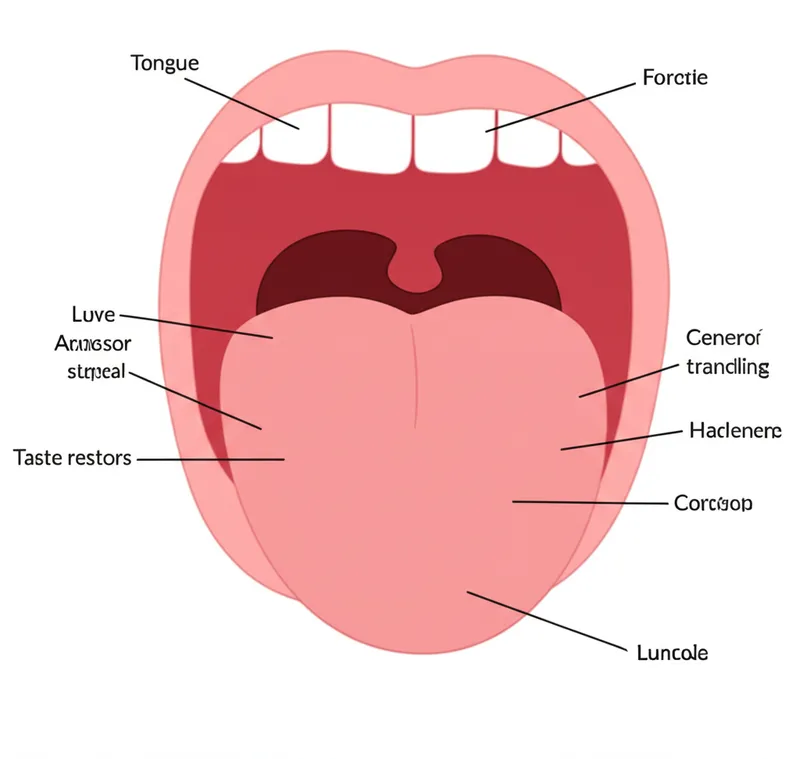
























noun🔗Share혀The flexible muscular organ in the mouth that is used to move food around, for tasting and that is moved into various positions to modify the flow of air from the lungs in order to produce different sounds in speech."My daughter used her tongue to taste the delicious ice cream. "내 딸은 맛있는 아이스크림을 맛보기 위해 혀를 사용했다.organbodyanatomyphysiologyfoodlanguagephoneticslinguisticssensationparthumancommunicationessentialChat with AIVocabulary GamePractice Reading
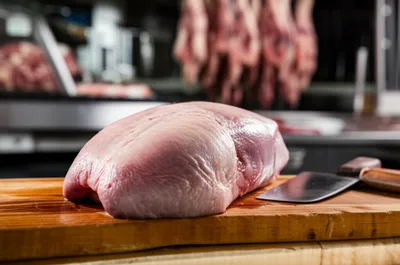
noun🔗Share혀This organ, as taken from animals used for food (especially cows).−"cold tongue with mustard"겨자 소스를 곁들인 차가운 혀foodanimalorganessentialChat with AIVocabulary GamePractice Reading
noun🔗Share언어(metonym) A language."He was speaking in his native tongue."그는 모국어로 말하고 있었다.languageessentialChat with AIVocabulary GamePractice Reading
noun🔗Share언어 사용자, 화자Speakers of a language, collectively."The French tongue is spoken by many people in France. "프랑스에서는 많은 사람들이 프랑스어를 사용합니다.languagelinguisticsgroupcommunicationessentialChat with AIVocabulary GamePractice Reading
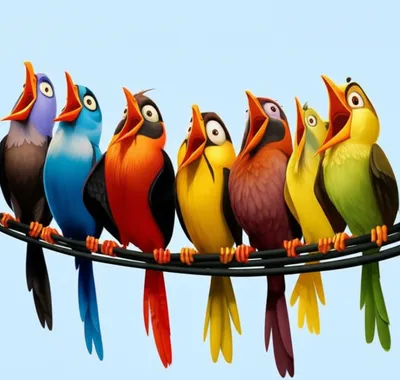
noun🔗Share목소리, 억양Voice (the distinctive sound of a person's speech); accent (distinctive manner of pronouncing a language)."My sister's tongue is quite different from mine; she has a strong, southern tongue. "내 여동생의 목소리는 나와 매우 다르다. 그녀는 강한 남부 억양을 가지고 있다.languagephoneticscommunicationlinguisticssoundessentialChat with AIVocabulary GamePractice Reading
noun🔗Share말투, 언어Manner of speaking, often habitually."His tongue was very formal, often using elaborate phrases in class discussions. "그의 말투는 매우 격식을 갖추었고, 수업 토론에서 종종 정교한 구절을 사용했습니다.languagecommunicationstylewordcharacteressentialChat with AIVocabulary GamePractice Reading
noun🔗Share말(metonym) A person speaking in a specified manner (most often plural)."The children's tongues were full of complaints about the boring homework assignment. "아이들은 지루한 숙제에 대해 불평하는 말로 가득했다.languagepersoncommunicationessentialChat with AIVocabulary GamePractice Reading
noun🔗Share말, 언어The power of articulate utterance; speech generally."Her fluent tongue made her a natural leader in the debate club. "그녀의 유창한 말솜씨는 토론 클럽에서 그녀를 타고난 리더로 만들었다.languagecommunicationessentialChat with AIVocabulary GamePractice Reading
noun🔗Share말, 언변Discourse; fluency of speech or expression."The politician's tongue was sharp and persuasive, winning over many voters. "정치인의 언변은 날카롭고 설득력 있어서 많은 유권자들을 사로잡았다.languagecommunicationessentialChat with AIVocabulary GamePractice Reading
🔗Share말솜씨, 언변Discourse; fluency of speech or expression."The politician's tongue was impressive; she spoke with such fluency and ease about the new education reforms. "그 정치인의 언변은 인상적이었다. 그녀는 새로운 교육 개혁에 대해 유창하고 쉽게 말했다.languagecommunicationessentialChat with AIVocabulary GamePractice Reading
noun🔗Share찬사, 칭찬Honourable discourse; eulogy."At the memorial service, the pastor delivered a heartfelt tongue about the teacher's dedication to her students. "추도식에서 목사는 선생님의 학생들에 대한 헌신에 대해 진심 어린 찬사를 전했다.languageliteraturecommunicationessentialChat with AIVocabulary GamePractice Reading
noun🔗Share방언, 이상한 언어(often in the plural) Glossolalia."At the church service, some people spoke in tongues. "교회 예배에서, 몇몇 사람들이 방언으로 말했다.religionlanguagetheologysoulessentialChat with AIVocabulary GamePractice Reading
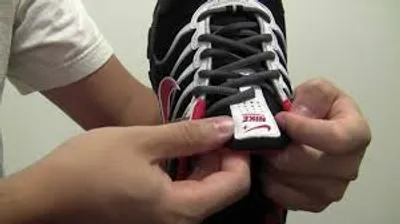
noun🔗Share신발 혀In a shoe, the flap of material that goes between the laces and the foot (so called because it resembles a tongue in the mouth)."The new running shoes had a stiff tongue, which made them uncomfortable for my feet. "새 런닝화는 뻣뻣한 신발 혀를 가지고 있어서 발이 불편했다.wearitempartessentialChat with AIVocabulary GamePractice Reading
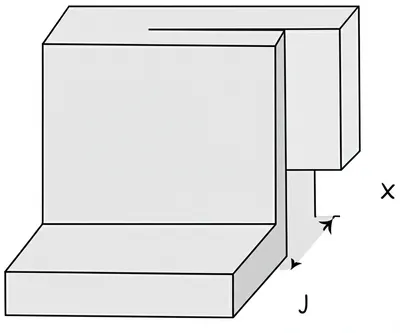
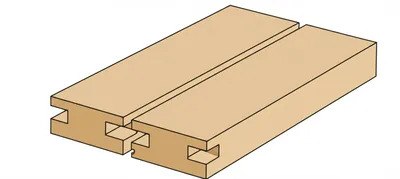
noun🔗Share혀Any large or long physical protrusion on an automotive or machine part or any other part that fits into a long groove on another part."The machine's intricate tongue fit perfectly into the groove, allowing it to function properly. "기계의 복잡한 혀가 홈에 완벽하게 맞아 작동을 제대로 할 수 있었다.technicalmachinepartessentialChat with AIVocabulary GamePractice Reading
noun🔗Share혀, 설A projection, or slender appendage or fixture."The tiny tongue of the small, decorative plant curled around the support stake. "작은 장식용 식물의 작은 혀가 지지 말뚝 주위를 감쌌다.partorgananatomyessentialChat with AIVocabulary GamePractice Reading
noun🔗Share곶, 혀A long, narrow strip of land, projecting from the mainland into a sea or lake."The island's tongue of land extended far out into the bay, making a good spot for birdwatching. "섬의 곶은 만 안으로 멀리 뻗어 나가 새를 관찰하기 좋은 장소를 만들었다.geographyplaceessentialChat with AIVocabulary GamePractice Reading
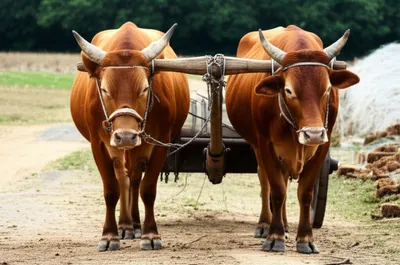
noun🔗Share멍에 막대The pole of a vehicle; especially, the pole of an ox cart, to the end of which the oxen are yoked."The farmer carefully attached the oxen to the tongue of the ox cart. "농부는 조심스럽게 소를 수레의 멍에 막대에 연결했다.vehiclepartagricultureessentialChat with AIVocabulary GamePractice Reading
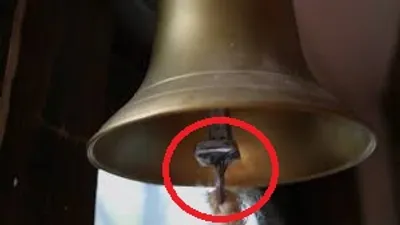
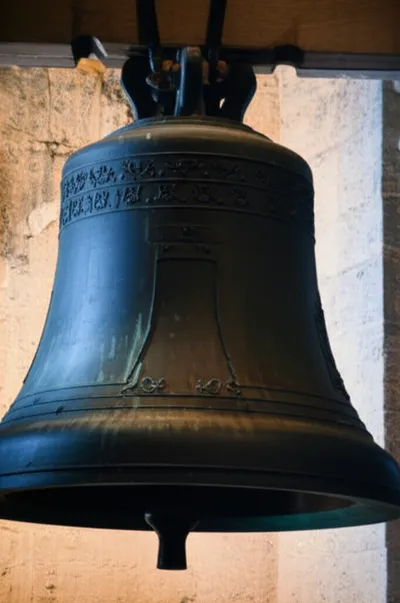
noun🔗Share종의 혀The clapper of a bell."The bell's tongue clanged loudly, signaling the start of lunch. "종의 혀가 요란하게 울려 점심 식사의 시작을 알렸다.partmachinesoundtechnicalbell-ringingessentialChat with AIVocabulary GamePractice Reading
noun🔗Share불꽃An individual point of flame from a fire."The campfire had a bright tongue of flame licking at the logs. "캠프파이어는 장작을 핥는 밝은 불꽃을 가지고 있었다.energynatureessentialChat with AIVocabulary GamePractice Reading
noun🔗Share가자미A small sole (type of fish)."The chef bought a few tongues for the fish stew. "요리사는 생선 스튜를 위해 가자미 몇 마리를 샀다.fishfoodessentialChat with AIVocabulary GamePractice Reading
noun🔗Share혀, 돛대A short piece of rope spliced into the upper part of standing backstays, etc.; also, the upper main piece of a mast composed of several pieces."The sailboat's tongue was frayed, requiring a new splice. "요트의 돛대는 낡아서 새로운 이음매가 필요했다.nauticalsailingtechnicalpartstructureessentialChat with AIVocabulary GamePractice Reading
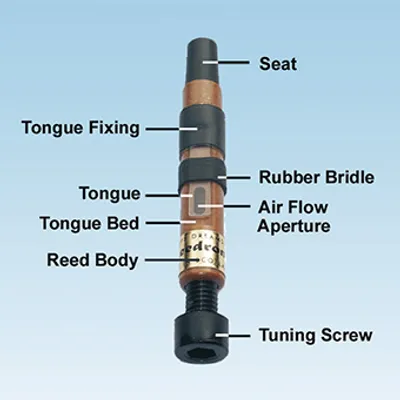
noun🔗Share혀A reed."The musician used a special kind of tongue to make the reed instrument play beautifully. "음악가는 갈대 악기를 아름답게 연주하기 위해 특별한 종류의 혀를 사용했다.plantmusicessentialChat with AIVocabulary GamePractice Reading
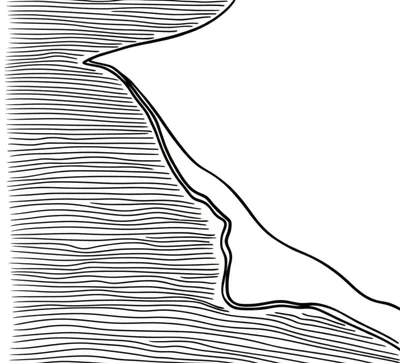
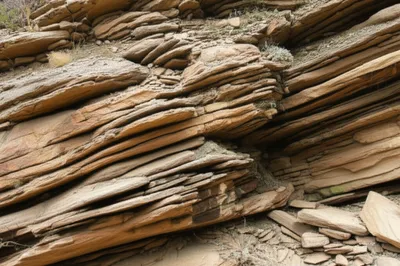
noun🔗Share설, 띠A division of formation; A layer or member of a formation that pinches out in one direction."The geological tongue of rock extended out from the mountainside. "지질학적 암석 띠가 산비탈에서 뻗어 나왔다.geologypartessentialChat with AIVocabulary GamePractice Reading
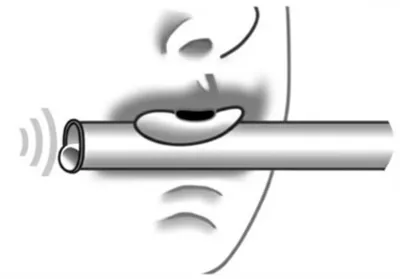
verb🔗Share혀로 소리 내다On a wind instrument, to articulate a note by starting the air with a tap of the tongue, as though by speaking a 'd' or 't' sound (alveolar plosive)."Playing wind instruments involves tonguing on the reed or mouthpiece."관악기를 연주하는 것은 리드나 마우스피스에 혀로 소리 내는 것을 포함한다.musictechnicalsoundphoneticslanguageessentialChat with AIVocabulary GamePractice Reading
verb🔗Share혀로 애무하다, 혀로 키스하다To manipulate with the tongue, as in kissing or oral sex."He tongue-kissed his girlfriend goodbye at the school gate. "그는 학교 정문에서 여자친구에게 혀로 키스하며 작별 인사를 했다.sexbodyanatomyphysiologyhumanactionessentialChat with AIVocabulary GamePractice Reading
verb🔗Share내밀다, 뻗다To protrude in relatively long, narrow sections."a soil horizon that tongues into clay"점토 속으로 혀처럼 뻗어 나가는 토양층.anatomyphysiologyorganbodyessentialChat with AIVocabulary GamePractice Reading
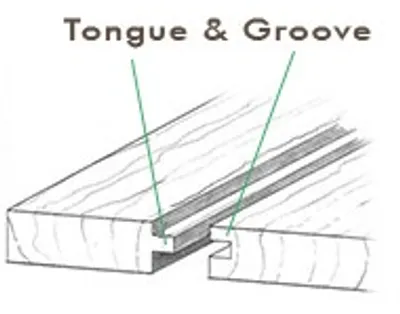
verb🔗Share장부맞춤으로 연결하다To join by means of a tongue and groove."to tongue boards together"널빤지를 장부맞춤으로 연결하다technicalbuildingstructureessentialChat with AIVocabulary GamePractice Reading
verb🔗Share말하다, 수다를 떨다To talk; to prate."My brother loves to tongue his opinions about politics at the dinner table. "내 동생은 저녁 식탁에서 정치에 대한 자신의 의견을 말하는 것을 좋아한다.languagecommunicationessentialChat with AIVocabulary GamePractice Reading
verb🔗Share말하다, 발언하다To speak; to utter."The teacher tongue-lashed the student for not completing his homework. "선생님은 숙제를 다 하지 않은 학생을 꾸짖었다.languagecommunicationessentialChat with AIVocabulary GamePractice Reading
verb🔗Share꾸짖다, 나무라다To chide; to scold."The teacher tongue-lashed the students for their disruptive behavior in class. "선생님은 수업 중 학생들의 방해 행위에 대해 꾸짖었다.communicationlanguagewordactionessentialChat with AIVocabulary GamePractice Reading