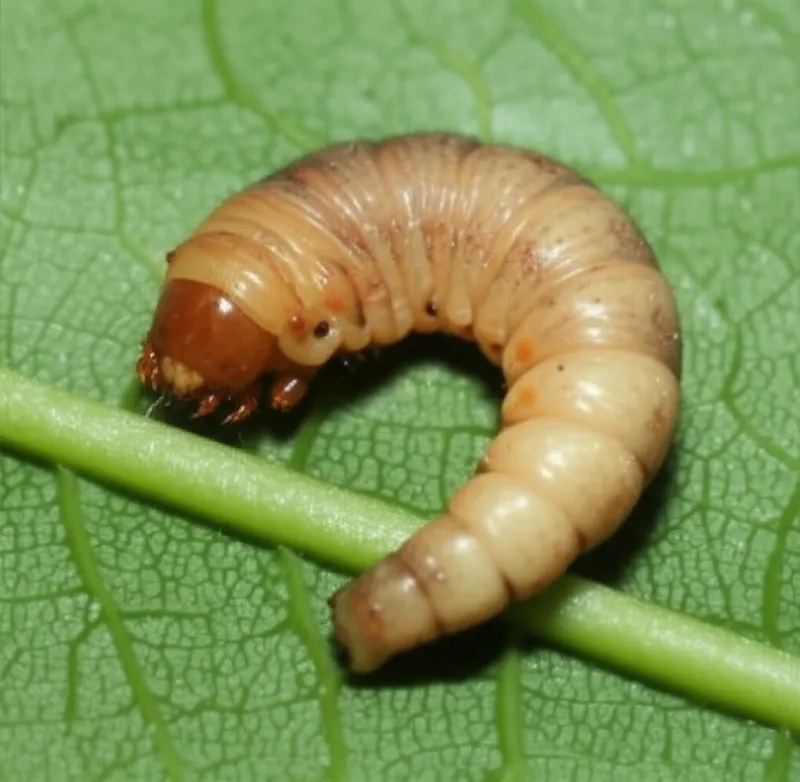
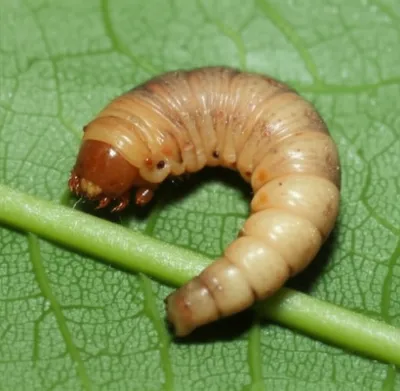
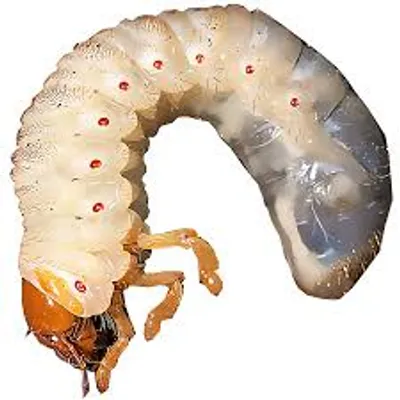
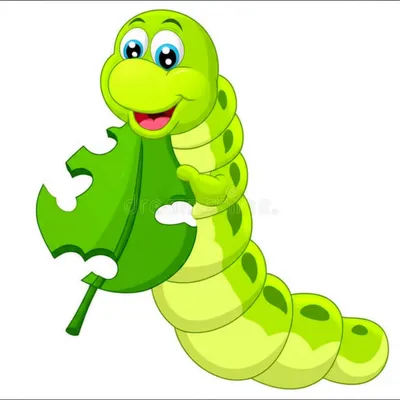
noun 다운로드 🔗공유 애벌레 An immature stage in the life cycle of an insect; a larva. Examples : "The farmer carefully collected the grubs from the garden soil. " 농부는 정원 흙에서 애벌레를 조심스럽게 수집했다. animal insect biology AI와 채팅어휘 게임독해 연습
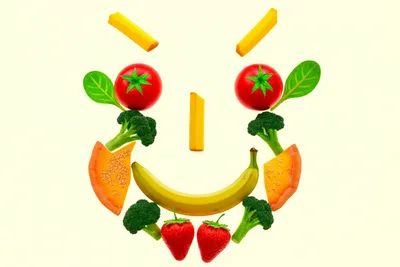
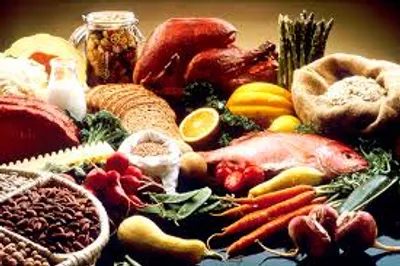
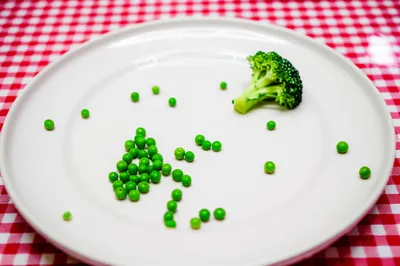
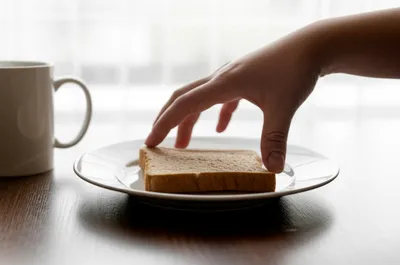
noun 다운로드 🔗공유 음식, 먹거리 Food. Examples : "After a long hike, we were all ready for some grub. " 긴 하이킹 후에, 우리는 모두 음식을 먹을 준비가 되었다. food AI와 채팅어휘 게임독해 연습
noun 다운로드 🔗공유 땅딸이, 난쟁이 A short, thick man; a dwarf. Examples : "The little grub in the back row of the class was always quiet. " 교실 뒷줄에 앉은 땅딸이는 항상 조용했다. appearance person AI와 채팅어휘 게임독해 연습
noun 다운로드 🔗공유 지저분한 사람, 더러운 사람 A dirty person. Examples : "That grub in the back corner of the cafeteria always leaves a mess. " 카페테리아 구석에 있는 저 지저분한 사람은 항상 엉망으로 만든다. person character AI와 채팅어휘 게임독해 연습
noun 다운로드 🔗공유 쓰레기, 인간쓰레기 A despicable person; a lowlife. Examples : "That new kid in class is a real grub; he constantly bullies the other students. " 반에 새로 온 저 아이는 진짜 쓰레기야; 그는 끊임없이 다른 학생들을 괴롭혀. person character negative AI와 채팅어휘 게임독해 연습
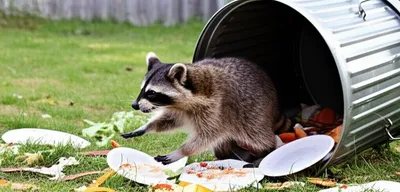
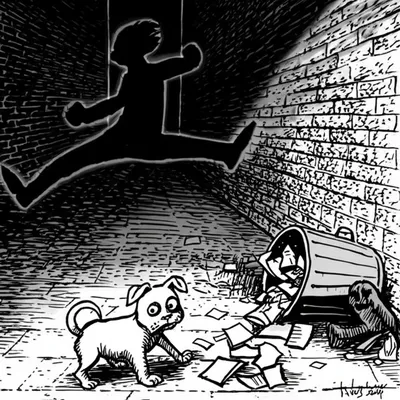
verb 다운로드 🔗공유 찾아다니다, 구하다 To scavenge or in some way scrounge, typically for food. Examples : "After the picnic, the birds started to grub around for leftover crumbs on the grass. " 소풍 후, 새들은 풀밭에서 남은 부스러기를 찾아다니기 시작했다. food animal agriculture AI와 채팅어휘 게임독해 연습
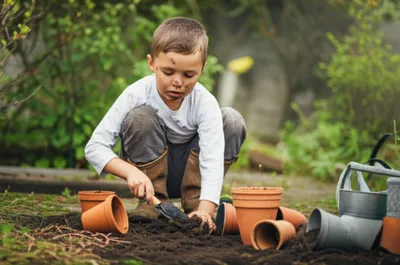
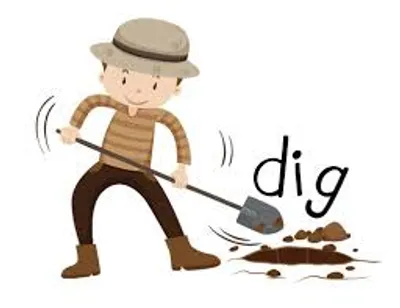
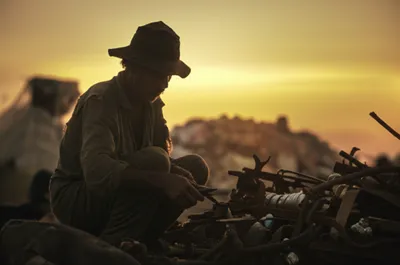
verb 다운로드 🔗공유 파다, 뿌리째 뽑다 To dig; to dig up by the roots; to root out by digging; often followed by up. Examples : "to grub up trees, rushes, or sedge" 나무, 갈대 또는 사초를 뿌리째 뽑다. agriculture plant action environment AI와 채팅어휘 게임독해 연습
verb 다운로드 🔗공유 음식을 대주다, 먹을 것을 주다 To supply with food. Examples : "Every morning, my mom would grub us with a healthy breakfast before we left for school. " 매일 아침, 엄마는 우리가 학교에 가기 전에 우리에게 건강한 아침 식사를 제공하곤 했다. food AI와 채팅어휘 게임독해 연습
verb 다운로드 🔗공유 먹다 To eat. Examples : "The family will grub on pizza for dinner tonight. " 오늘 밤 가족은 저녁으로 피자를 먹을 것이다. food AI와 채팅어휘 게임독해 연습