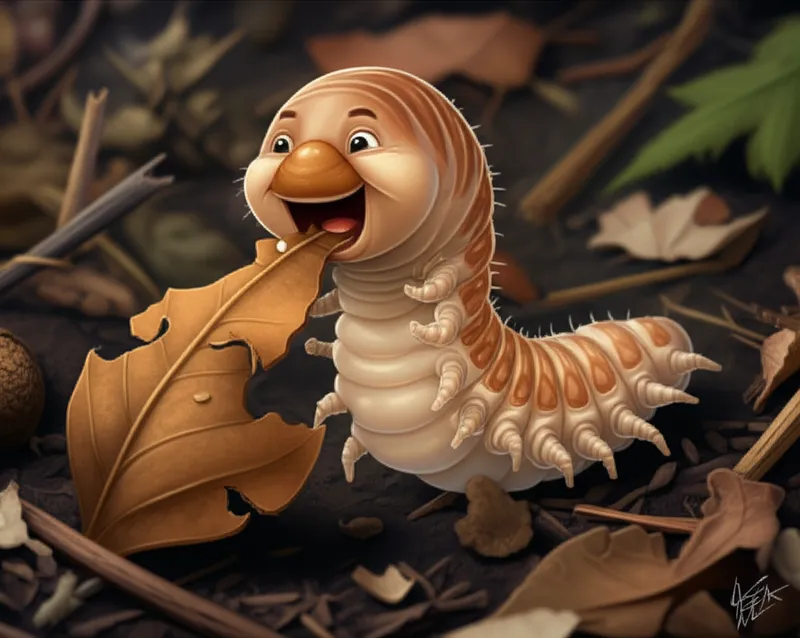
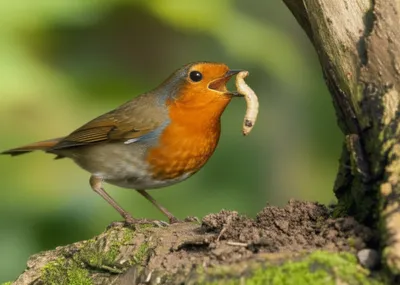
noun 다운로드 🔗공유 애벌레 An immature stage in the life cycle of an insect; a larva. Examples : "The robin hopped around the garden, searching for juicy grubs to feed its babies. " 로빈은 아기들에게 먹일 통통한 애벌레를 찾아 정원 주변을 뛰어다녔다. animal insect biology nature AI와 채팅어휘 게임독해 연습
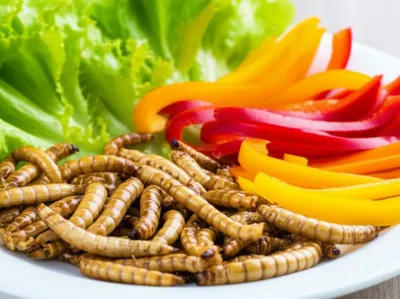
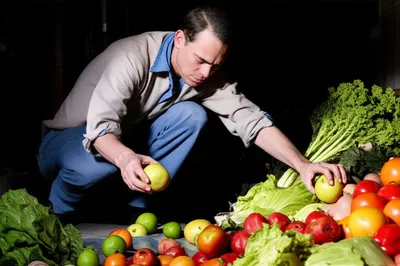
noun 다운로드 🔗공유 음식, 먹이 Food. Examples : "After a long hike, we were all ready for some grubs. " 오랜 하이킹 후에, 우리는 모두 음식을 먹을 준비가 되었다. food animal insect AI와 채팅어휘 게임독해 연습
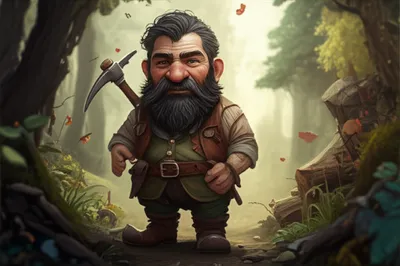
noun 다운로드 🔗공유 땅딸이, 난쟁이 A short, thick man; a dwarf. Examples : "The new student, a small, stout grub, was often overlooked in class. " 새 학생, 작고 뚱뚱한 땅딸이는 수업에서 종종 간과되었다. appearance body person AI와 채팅어휘 게임독해 연습
noun 다운로드 🔗공유 더러운 사람, 몹쓸 사람 A dirty person. Examples : ""The teacher told the students to clean up because she didn't want any grubs in her classroom." " 선생님은 교실에 더러운 사람이 있는 것을 원치 않으셨기에 학생들에게 청소하라고 말씀하셨다. person character AI와 채팅어휘 게임독해 연습
noun 다운로드 🔗공유 쓰레기, 인간쓰레기 A despicable person; a lowlife. Examples : ""Those grubs stole money from the charity box and then bragged about it." " 저 쓰레기들은 자선함에서 돈을 훔치고 자랑했다. character person negative moral attitude AI와 채팅어휘 게임독해 연습
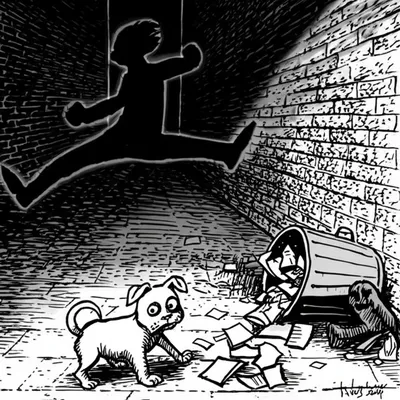
verb 다운로드 🔗공유 구하다, 찾아다니다 To scavenge or in some way scrounge, typically for food. Examples : "The stray dogs grubs for scraps behind the restaurant. " 길 잃은 개들은 식당 뒤에서 먹을 것을 찾아다닌다. food animal action AI와 채팅어휘 게임독해 연습
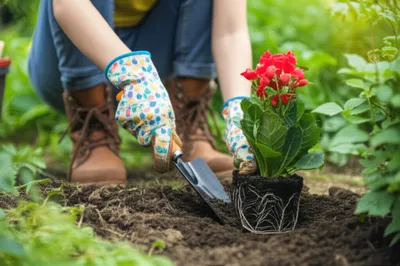
verb 다운로드 🔗공유 파다, 캐다 To dig; to dig up by the roots; to root out by digging; often followed by up. Examples : "to grub up trees, rushes, or sedge" 나무, 갈대 또는 사초를 파내다. agriculture environment action AI와 채팅어휘 게임독해 연습
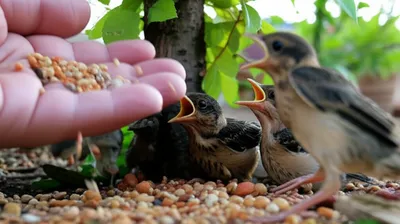
verb 다운로드 🔗공유 음식을 대주다, 먹이다 To supply with food. Examples : "My mom always grubs us before we leave for school in the morning so we don't get hungry during class. " 엄마는 아침에 학교 가기 전에 항상 우리에게 음식을 먹여서 수업 중에 배고프지 않게 해. food AI와 채팅어휘 게임독해 연습
verb 다운로드 🔗공유 먹다 To eat. Examples : "The children grumbled, but they all grubs their lunches quickly. " 아이들은 투덜거렸지만, 모두 점심을 빨리 먹었습니다. food action AI와 채팅어휘 게임독해 연습