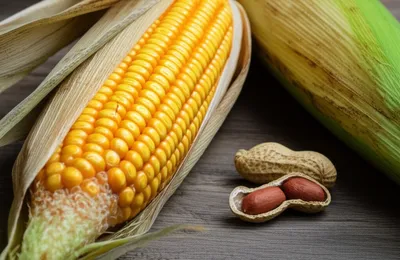
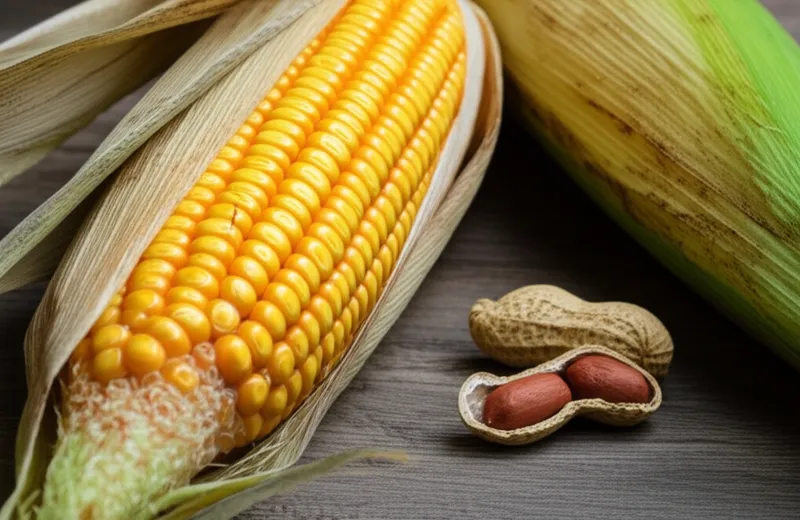
noun 다운로드 🔗공유 껍질, 깍지 The dry, leafy or stringy exterior of certain vegetables or fruits, which must be removed before eating the meat inside Examples : "A coconut has a very thick husk." 코코넛은 매우 두꺼운 껍질을 가지고 있습니다. fruit vegetable food plant AI와 채팅어휘 게임독해 연습
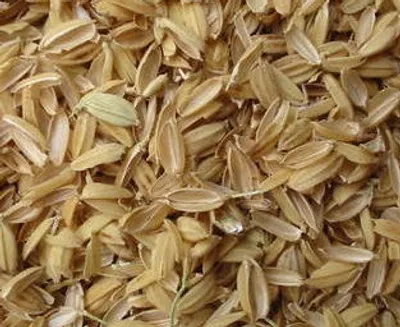
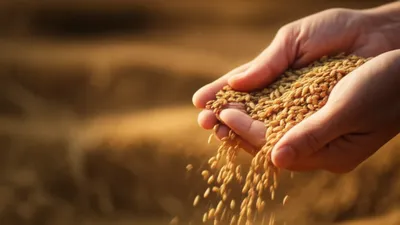
noun 다운로드 🔗공유 껍질, 겉껍질 Any form of useless, dried-up, and subsequently worthless exterior of something Examples : "His attorney was a dried-up husk of a man." 그의 변호사는 말라붙은 껍질 같은 남자였다. plant agriculture food AI와 채팅어휘 게임독해 연습
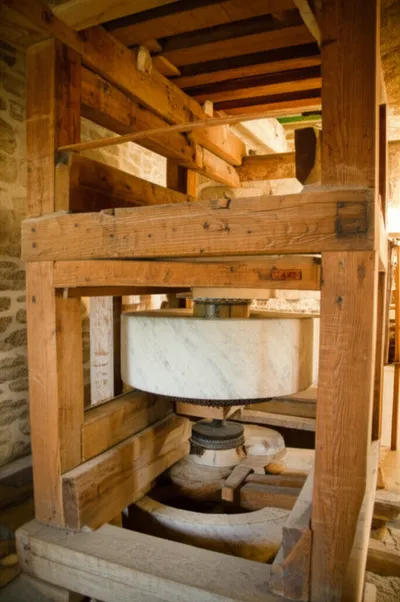
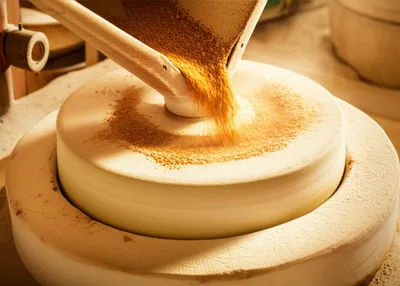
noun 다운로드 🔗공유 틀 The supporting frame of a run of millstones. Examples : "The miller carefully checked the husk to ensure the millstones were properly supported and wouldn't wobble during grinding. " 제분업자는 맷돌이 제대로 지지되고 갈 때 흔들리지 않도록 틀을 주의 깊게 확인했습니다. structure machine part agriculture AI와 채팅어휘 게임독해 연습
verb 다운로드 🔗공유 껍질을 벗기다 To remove husks from. Examples : "We need to husk the corn before we can cook it. " 옥수수를 요리하기 전에 껍질을 벗겨야 합니다. agriculture food plant process AI와 채팅어휘 게임독해 연습
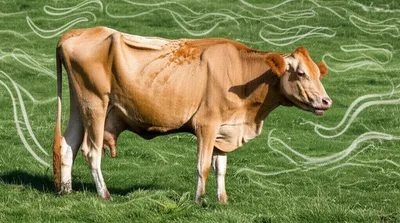
noun 다운로드 🔗공유 폐충 감염 An infection in cattle caused by a species of Dictyocaulus or lungworm Examples : "The farmer had to treat his cattle for husk, a lungworm infection. " 농부는 폐충 감염인 폐충 감염으로 소를 치료해야 했다. disease animal biology agriculture AI와 채팅어휘 게임독해 연습
verb 다운로드 🔗공유 기침하다 To cough, clear one's throat. Examples : "Before speaking, she huskily cleared her throat. " 그녀는 말하기 전에 거친 목소리로 기침했다. body physiology medicine AI와 채팅어휘 게임독해 연습
verb 다운로드 🔗공유 쉰 소리로 말하다, 거친 목소리로 말하다 To say huskily, to utter in a husky voice. Examples : "He huskily apologized for being late to school. " 그는 학교에 늦은 것에 대해 쉰 소리로 사과했다. sound language communication AI와 채팅어휘 게임독해 연습