


noun🔗Share국가, 민족A historically constituted, stable community of people, formed on the basis of a common language, territory, economic life, ethnicity and/or psychological make-up manifested in a common culture."The Kurdish people constitute a nation in the Middle East"쿠르드족은 중동에서 국가를 구성한다.nationpoliticsgovernmentstatesocietyhistoryculturegeographyessentialChat with AIVocabulary GamePractice Reading
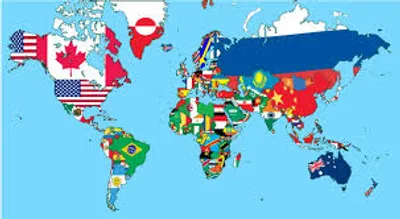
noun🔗Share국가, 나라A sovereign state."Though legally single nations, many states comprise several distinct cultural or ethnic groups."법적으로는 단일 국가이지만, 많은 주들은 여러 개의 뚜렷한 문화적 또는 민족적 집단을 포함하고 있다.nationpoliticsgovernmentstateworldgeographyessentialChat with AIVocabulary GamePractice Reading
noun🔗Share출신지나 민족을 기반으로 한 학생 단체An association of students based on its members' birthplace or ethnicity."Once widespread across Europe in medieval times, nations are now largely restricted to the ancient universities of Sweden and Finland."중세 시대 유럽 전역에 널리 퍼져 있었던 출신지나 민족을 기반으로 한 학생 단체는 현재 스웨덴과 핀란드의 고대 대학에 주로 국한되어 있습니다.grouporganizationsocietyeducationessentialChat with AIVocabulary GamePractice Reading
noun🔗Share많은 수, 다수A great number; a great deal."The nation of students in the auditorium was enormous. "강당에 있는 학생들의 수는 엄청났다.amountnumbermassessentialChat with AIVocabulary GamePractice Reading
noun🔗Share저주, 파멸Damnation."The teacher's harsh words were a nation of disappointment for the student. "선생님의 가혹한 말은 학생에게 실망의 파멸이었다.cursetheologyreligionsoulexclamationnegativeessentialChat with AIVocabulary GamePractice Reading
adverb🔗Share아주, 매우Extremely, very."The teacher was nation tired after grading all those papers. "선생님은 그 많은 시험지를 채점한 후 매우 피곤했다.grammarlanguageessentialChat with AIVocabulary GamePractice Reading