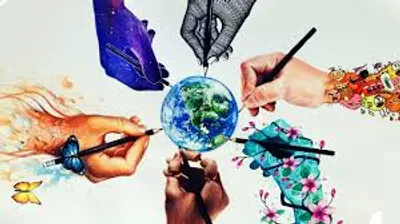
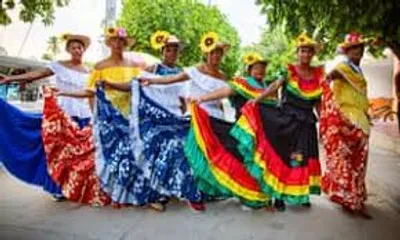
noun 다운로드 🔗공유 문화, 풍습, 관습 The arts, customs, lifestyles, background, and habits that characterize a particular society or nation. Examples : "Our school's culture emphasizes teamwork and respect for others. " 우리 학교의 문화는 팀워크와 타인 존중을 강조합니다. culture nation society essential AI와 채팅어휘 게임독해 연습
noun 다운로드 🔗공유 문화, 생활 방식 The beliefs, values, behaviour and material objects that constitute a people's way of life. Examples : "Our school's culture emphasizes respect and teamwork. " 우리 학교의 문화는 존중과 팀워크를 강조합니다. culture society tradition value human essential AI와 채팅어휘 게임독해 연습
noun 다운로드 🔗공유 문화, 풍습, 관습 The conventional conducts and ideologies of a community; the system comprising of the accepted norms and values of a society. Examples : "Our school's culture emphasizes teamwork and respect for others. " 우리 학교의 문화는 팀워크와 타인 존중을 강조합니다. culture society tradition essential AI와 채팅어휘 게임독해 연습
noun 다운로드 🔗공유 문화, 지식 Any knowledge passed from one generation to the next, not necessarily with respect to human beings. Examples : "The bees' intricate dance is part of their culture, a way they communicate information about food sources to other bees. " 벌들의 복잡한 춤은 그들의 문화의 일부이며, 다른 벌들에게 먹이원에 대한 정보를 전달하는 방식입니다. culture tradition society history essential AI와 채팅어휘 게임독해 연습
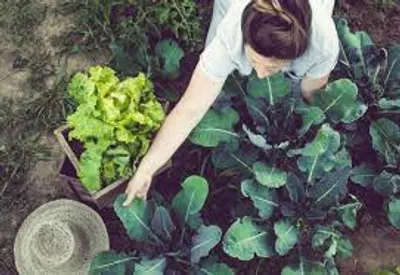
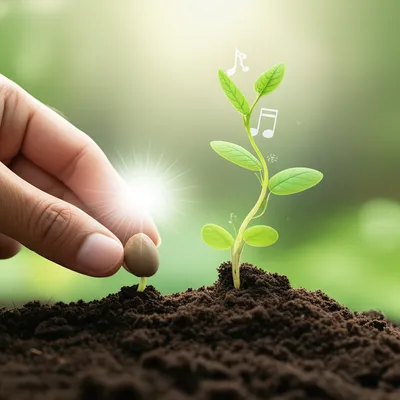
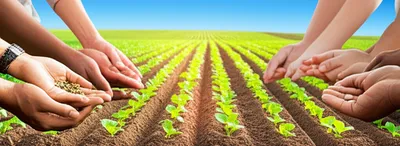
noun 다운로드 🔗공유 경작, 배양 Cultivation. Examples : "The school's focus on art and music is part of their culture of nurturing creativity. " 학교가 예술과 음악에 중점을 두는 것은 창의성을 키우는 그들의 문화의 일부입니다. agriculture essential AI와 채팅어휘 게임독해 연습
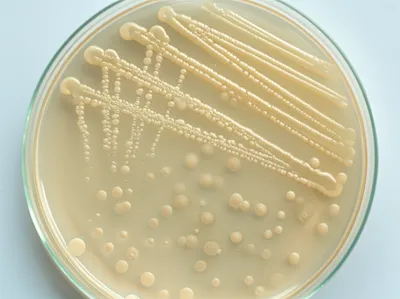
noun 다운로드 🔗공유 배양 The process of growing a bacterial or other biological entity in an artificial medium. Examples : "The scientist carefully performed the culture of the bacteria in a petri dish. " 과학자는 페트리 접시에서 박테리아 배양을 신중하게 수행했다. biology medicine microorganism essential AI와 채팅어휘 게임독해 연습
noun 다운로드 🔗공유 배양, 재배 The growth thus produced. Examples : "The new teacher's positive approach fostered a culture of respect in the classroom. " 새 선생님의 긍정적인 접근 방식은 교실에서 존중의 문화를 길렀다. biology agriculture essential AI와 채팅어휘 게임독해 연습
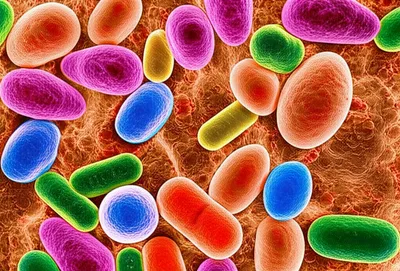
noun 다운로드 🔗공유 배양, 세균 배양 A group of bacteria. Examples : "The scientist studied the different cultures of bacteria found in the soil sample. " 과학자는 토양 샘플에서 발견된 다양한 세균 배양을 연구했다. microorganism biology essential AI와 채팅어휘 게임독해 연습
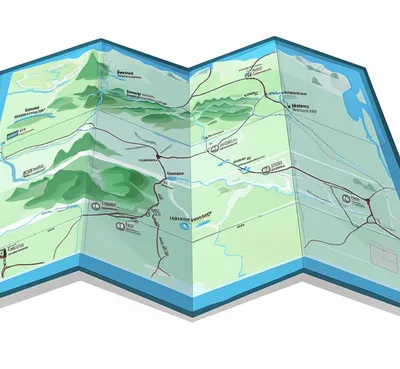
noun 다운로드 🔗공유 지도에 표시된 지역의 자연적 특징을 나타내지 않는 세부 사항, 예를 들어 이름과 도시, 도로, 자오선 및 평행선의 기호 The details on a map that do not represent natural features of the area delineated, such as names and the symbols for towns, roads, meridians, and parallels. Examples : "The map's culture layer showed the names of all the towns and the roads. " 지도의 문화 레이어는 모든 마을과 도로의 이름을 보여주었다. geography technical essential AI와 채팅어휘 게임독해 연습
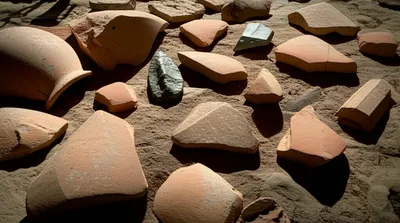
noun 다운로드 🔗공유 특정 시간과 장소에서 반복적으로 나타나는 유물들의 집합으로, 특정 과거 인간 사회의 물질 문화 유물을 구성할 수 있습니다 A recurring assemblage of artifacts from a specific time and place that may constitute the material culture remains of a particular past human society. Examples : "The museum's exhibit on ancient Egypt showcased a rich culture, displaying pottery shards and jewelry from that time period. " 박물관의 고대 이집트 전시는 풍부한 문화를 선보이며, 그 시대의 도자기 조각과 보석을 전시했습니다. culture archaeology history material society human essential AI와 채팅어휘 게임독해 연습
verb 다운로드 🔗공유 배양하다 To maintain in an environment suitable for growth (especially of bacteria) (compare cultivate) Examples : "The lab technician carefully cultured the bacteria samples in a special nutrient broth. " 실험실 기술자는 특별한 영양 배지에서 박테리아 샘플을 조심스럽게 배양했습니다. biology microorganism medicine science essential AI와 채팅어휘 게임독해 연습
verb 다운로드 🔗공유 배양하다, 육성하다 To increase the artistic or scientific interest (in something) (compare cultivate) Examples : "The museum is trying to culture an appreciation for art in the younger generation. " 박물관은 젊은 세대에게 예술에 대한 감상을 배양하려고 노력하고 있습니다. culture art society education essential AI와 채팅어휘 게임독해 연습