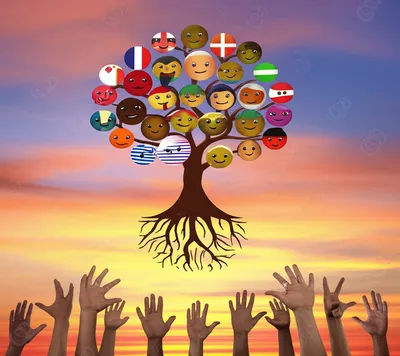

noun🔗Share국적Membership of a particular nation or state, by origin, birth, naturalization, ownership, allegiance or otherwise."At the international school, students represent a variety of nationalities, including American, Japanese, and Brazilian. "국제 학교에서 학생들은 미국, 일본, 브라질을 포함한 다양한 국적을 대표합니다.nationstatepoliticsworldcultureChat with AIVocabulary GamePractice Reading
noun🔗Share국적, 민족성National, i.e. ethnic and/or cultural, character or identity."Our school celebrates the diversity of its students by hosting a "World Culture Day" where everyone shares traditions from their nationalities. "우리 학교는 모든 사람이 국적의 전통을 공유하는 "세계 문화의 날"을 개최하여 학생들의 다양성을 기념합니다.nationculturegroupChat with AIVocabulary GamePractice Reading
noun🔗Share국적A people sharing a common origin, culture and/or language, and possibly constituting a nation-state."The international school celebrated its diversity by hosting a festival showcasing the different nationalities of its students through food, music, and dance. "국제 학교는 음식, 음악, 춤을 통해 학생들의 다양한 국적을 선보이는 축제를 개최하여 다양성을 기념했습니다.nationculturelanguagegroupsocietyChat with AIVocabulary GamePractice Reading
noun🔗Share국적Political existence, independence or unity as a national entity."The school celebrated International Day by having students share traditions from their different nationalities. "학교는 학생들이 서로 다른 국적의 전통을 공유하도록 함으로써 국제의 날을 기념했습니다.nationpoliticsgovernmentChat with AIVocabulary GamePractice Reading
noun🔗Share민족주의, 애국심Nationalism or patriotism."The athletic competition showcased the diverse nationalities represented at the international school. "그 운동 경기는 국제 학교에 대표된 다양한 민족주의를 보여주었다.nationpoliticsculturegovernmentattitudeChat with AIVocabulary GamePractice Reading