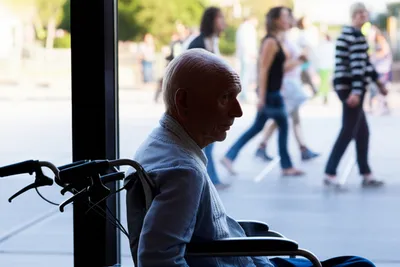
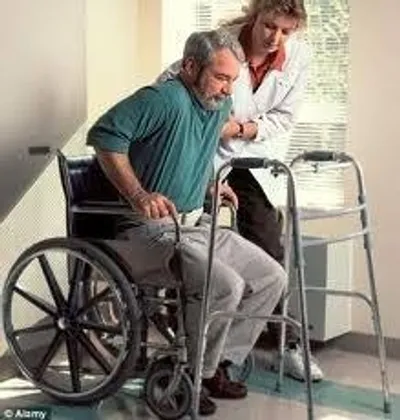
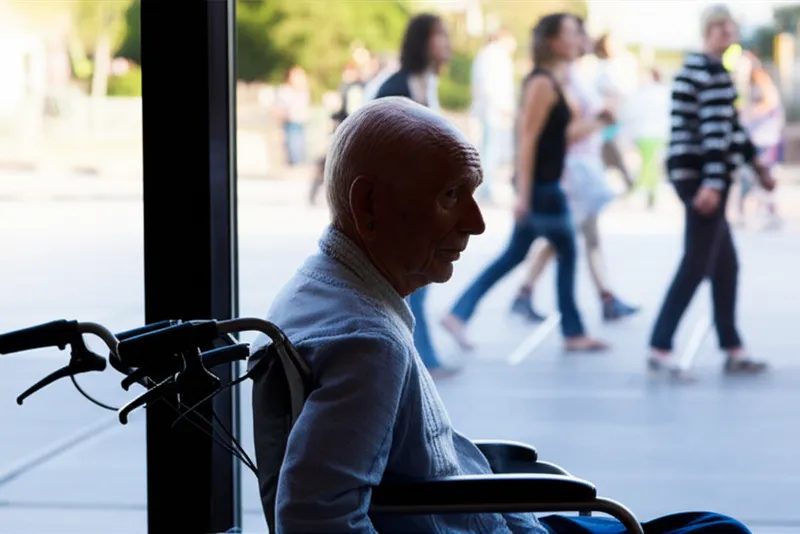
noun 다운로드 🔗공유 마비 환자 Someone suffering from paralysis. Examples : "The accident left him a paralytic, unable to move his legs. " 그 사고로 그는 다리를 움직일 수 없는 마비 환자가 되었다. medicine disease person body AI와 채팅어휘 게임독해 연습
noun 다운로드 🔗공유 마비시키는 약물 A drug that produces paralysis. Examples : "The doctor prescribed a paralytic to help relax the patient's muscles during the surgery. " 의사는 수술 중 환자의 근육을 이완시키기 위해 마비시키는 약물을 처방했습니다. medicine substance AI와 채팅어휘 게임독해 연습
adjective 다운로드 🔗공유 마비된, 중풍의 Affected by paralysis; paralysed. Examples : "The stroke left him with a paralytic weakness in his right arm. " 뇌졸중은 그에게 오른쪽 팔에 마비된 쇠약을 남겼다. medicine physiology body disease AI와 채팅어휘 게임독해 연습
adjective 다운로드 🔗공유 마비성의, 마비된 Pertaining to paralysis. Examples : "The stroke left her with a paralytic weakness in her right arm. " 뇌졸중은 그녀의 오른팔에 마비성 쇠약을 남겼다. medicine physiology body disease AI와 채팅어휘 게임독해 연습
adjective 다운로드 🔗공유 만취한, 술에 취한 Very drunk. Examples : "After the party, Michael was paralytic and couldn't walk straight home. " 파티 후, 마이클은 만취해서 똑바로 집으로 걸어갈 수 없었다. drink condition AI와 채팅어휘 게임독해 연습