















verb🔗Share지나가다, 넘어가다To change place."The family dog past the park on the way home from the store. "가족 강아지는 가게에서 집으로 가는 길에 공원을 지나갔다.placetimeessentialChat with AIVocabulary GamePractice Reading
verb🔗Share지나가다, 변하다To change in state or status"My mood past from happy to sad when I missed the bus. "버스를 놓쳤을 때 내 기분은 행복에서 슬픔으로 변했다.timepastessentialChat with AIVocabulary GamePractice Reading
verb🔗Share지나가다, 흐르다To move through time."The little girl easily past the difficult math problem on her test. "어린 소녀는 시험에서 어려운 수학 문제를 쉽게 통과했다.timepastessentialChat with AIVocabulary GamePractice Reading
verb🔗Share통과하다, 합격하다To be accepted."My application for the scholarship was finally past by the committee. "장학금 신청이 마침내 위원회에서 통과되었습니다.pastessentialChat with AIVocabulary GamePractice Reading
verb🔗Share패스하다In any game, to decline to play in one's turn."In the board game, he past his turn because he didn't want to roll the dice yet. "보드 게임에서 그는 아직 주사위를 던지고 싶지 않아서 턴을 패스했다.gamesportessentialChat with AIVocabulary GamePractice Reading
verb🔗Share능가하다, 뛰어넘다To do or be better."My sister always past me in math class; she's consistently getting better grades. "내 여동생은 항상 수학 수업에서 나를 능가해요. 그녀는 꾸준히 더 좋은 성적을 받아요.achievementactionessentialChat with AIVocabulary GamePractice Reading
verb🔗Share주의하다, 고려하다To take heed."The student past the teacher's instructions carefully, ensuring she understood the steps. "학생은 단계를 이해했는지 확인하면서 선생님의 지시 사항에 주의를 기울였습니다.mindactionphilosophyessentialChat with AIVocabulary GamePractice Reading
noun🔗Share과거The period of time that has already happened, in contrast to the present and the future."a book about a time machine that can transport people back into the past"사람들을 과거로 데려갈 수 있는 타임머신에 관한 책timepastessentialChat with AIVocabulary GamePractice Reading
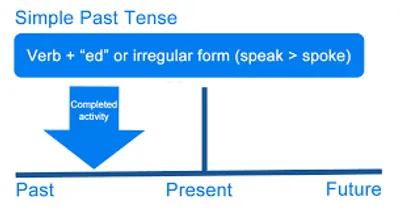
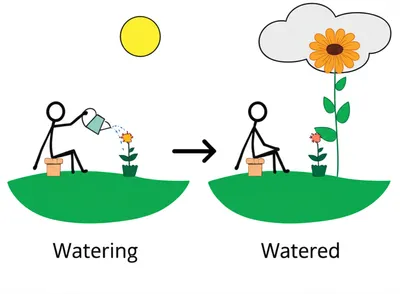
noun🔗Share과거 시제(grammar) The past tense."The past tense of the verb "go" is "went." "동사 "go"의 과거 시제는 "went"입니다.grammarlanguageessentialChat with AIVocabulary GamePractice Reading
adjective🔗Share과거의, 지난, 옛Having already happened; in the past; finished."past glories"과거의 영광pasttimehistoryessentialChat with AIVocabulary GamePractice Reading
adjective🔗Share지난, 과거의(postmodifier) Following expressions of time to indicate how long ago something happened; ago."My grandmother visited us last past weekend. "할머니는 지난 주말에 우리를 방문하셨다.timegrammarlanguageessentialChat with AIVocabulary GamePractice Reading
adjective🔗Share과거의, 지난Of a period of time: having just gone by; previous."during the past year"지난 해 동안pasttimeessentialChat with AIVocabulary GamePractice Reading
adjective🔗Share과거의(grammar) Of a tense, expressing action that has already happened or a previously-existing state."past tense"과거 시제grammarlanguagetimelinguisticsessentialChat with AIVocabulary GamePractice Reading
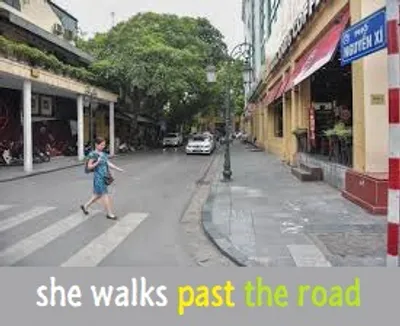
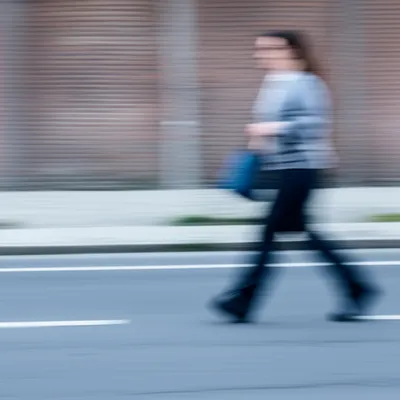
adverb🔗Share지나서, 넘어In a direction that passes."I watched him walk past"나는 그가 지나가는 것을 지켜봤다.directiontimeessentialChat with AIVocabulary GamePractice Reading
adverb🔗Share지나서Passing by, especially without stopping or being delayed."The bus passed the school quickly, without stopping. "버스는 멈추지 않고 학교를 빠르게 지나갔다.timepastessentialChat with AIVocabulary GamePractice Reading
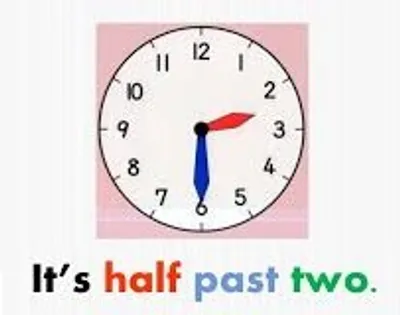
preposition🔗Share지나서, 넘어Beyond in place, quantity or time."count past twenty"스무 개를 넘어서 세어 보세요.timepastessentialChat with AIVocabulary GamePractice Reading
preposition🔗Share더 이상 ~할 수 없는No longer capable of."My old bike is past repair; I can't fix it anymore. "내 낡은 자전거는 더 이상 수리할 수 없어요. 더 이상 고칠 수 없어요.pasttimeessentialChat with AIVocabulary GamePractice Reading
preposition🔗Share지나간, 극복한Having recovered or moved on from (a traumatic experience, etc.)."After the argument, they were past their anger and able to talk calmly. "말다툼 후, 그들은 분노를 극복하고 침착하게 대화할 수 있었다.mindemotionsufferingessentialChat with AIVocabulary GamePractice Reading