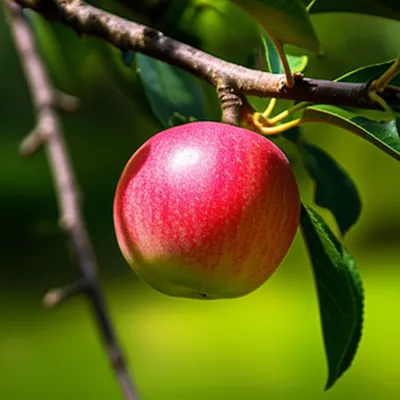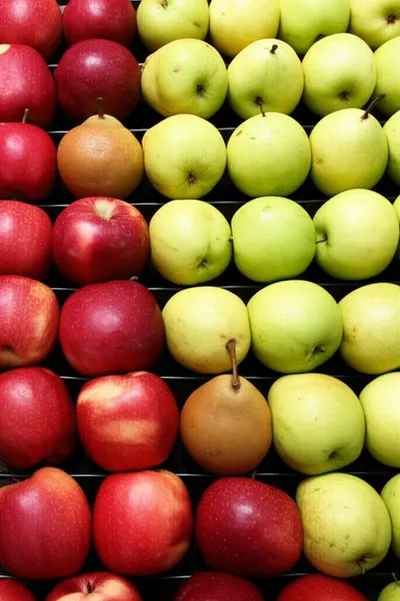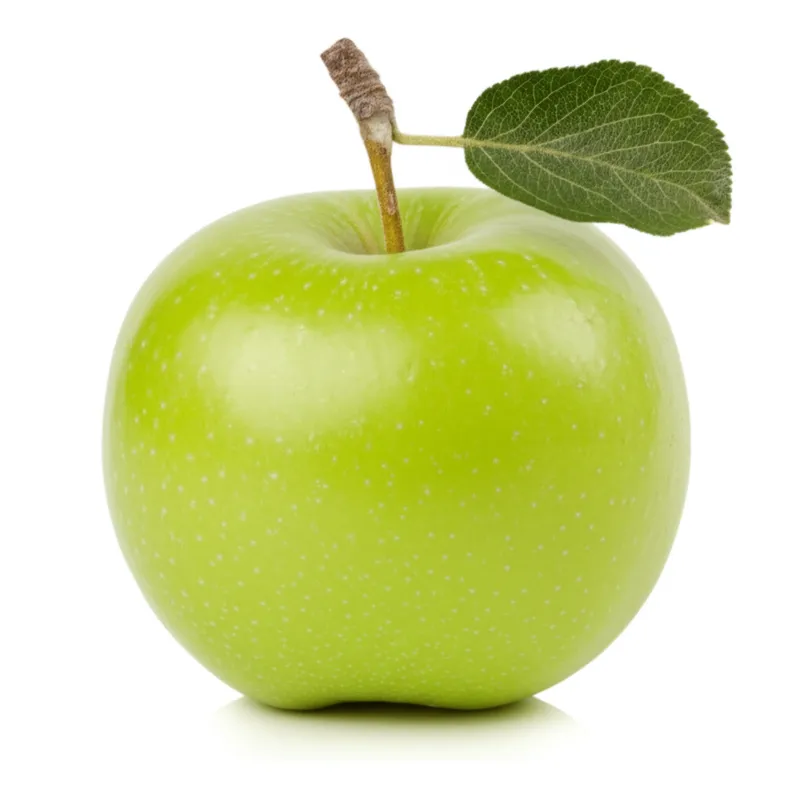

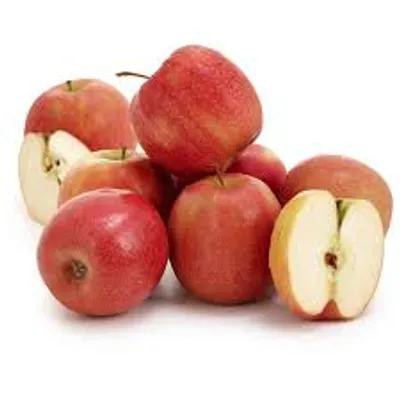
noun🔗Share사과A common, round fruit produced by the tree Malus domestica, cultivated in temperate climates."My sister brought an apple to school for a healthy snack. "내 여동생은 건강한 간식으로 사과를 학교에 가져왔다.fruitfoodplantessentialChat with AIVocabulary GamePractice Reading
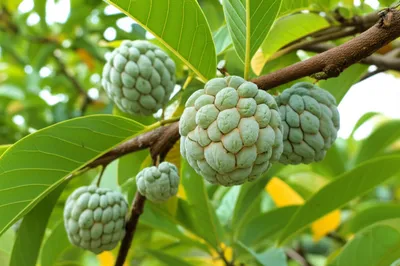
noun🔗Share사과Any of various tree-borne fruits or vegetables especially considered as resembling an apple; also (with qualifying words) used to form the names of other specific fruits such as custard apple, rose apple, thorn apple etc."My grandmother's garden has a variety of fruit trees, including an apple tree. "할머니의 정원에는 사과나무를 포함하여 다양한 과일 나무가 있습니다.fruitvegetablefoodplantessentialChat with AIVocabulary GamePractice Reading
noun🔗Share사과The fruit of the Tree of Knowledge, eaten by Adam and Eve according to post-Biblical Christian tradition; the forbidden fruit."The story of Adam and Eve and the forbidden apple is often discussed in religious studies classes. "아담과 이브와 금단의 사과 이야기는 종교학 수업에서 자주 논의됩니다.fruitmythologyreligionliteraturefoodtheologystoryessentialChat with AIVocabulary GamePractice Reading
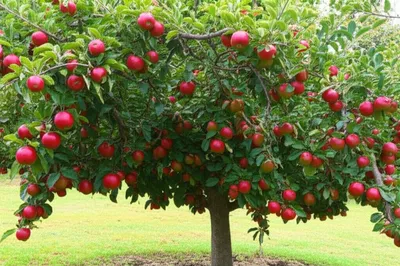
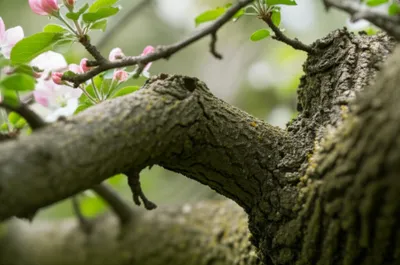
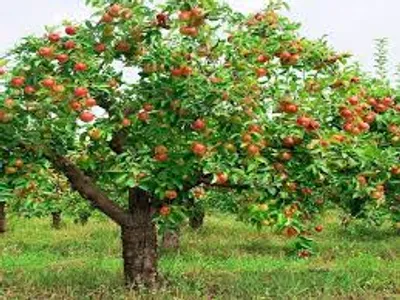
noun🔗Share사과나무A tree of the genus Malus, especially one cultivated for its edible fruit; the apple tree."My grandfather planted an apple tree in his backyard last spring. "할아버지는 지난 봄에 뒷마당에 사과나무를 심으셨다.fruitplantfoodessentialChat with AIVocabulary GamePractice Reading
noun🔗Share사과나무의 나무The wood of the apple tree."The carpenter used apple wood for the handles of the new tools. "목수는 새 도구의 손잡이에 사과나무의 나무를 사용했다.materialplantessentialChat with AIVocabulary GamePractice Reading
noun🔗Share계단(in the plural) Short for apples and pears, slang for stairs."My house is on the second floor, so I have to climb a lot of apples to get to my room. "우리 집은 2층에 있어서 방에 가려면 계단을 많이 올라가야 해요.languagewordessentialChat with AIVocabulary GamePractice Reading
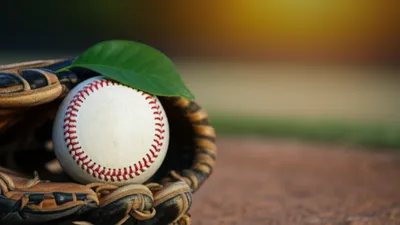
noun🔗Share공The ball in baseball."The batter hit the apple hard, sending it flying into the outfield. "타자가 공을 세게 쳐서 외야로 날려 보냈다.sportgameessentialChat with AIVocabulary GamePractice Reading
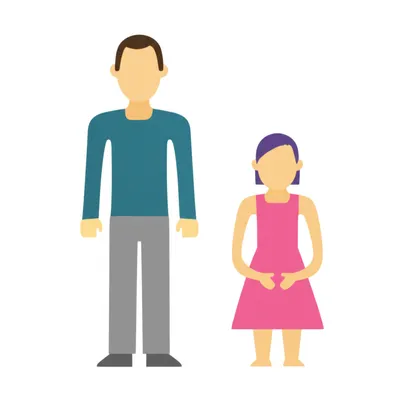
noun🔗Share볼When smiling, the round, fleshy part of the cheeks between the eyes and the corners of the mouth."My little sister had rosy apple cheeks when she saw her favorite toy. "내 여동생은 가장 좋아하는 장난감을 봤을 때 발그레한 볼을 하고 있었다.bodypartappearanceessentialChat with AIVocabulary GamePractice Reading
noun🔗Share백인처럼 행동하고 생각하는 아메리카 원주민 또는 붉은 피부를 가진 사람A Native American or red-skinned person who acts and/or thinks like a white (Caucasian) person."Several students in the class were considered apples, adopting the same fashion styles and attitudes as the other, more popular, students. "수업의 여러 학생들은 다른, 더 인기 있는 학생들과 같은 패션 스타일과 태도를 채택하면서 백인처럼 행동하는 것으로 여겨졌다.raceculturepersonattitudesocietynegativeessentialChat with AIVocabulary GamePractice Reading
noun🔗Share어시스트(ice hockey slang) An assist."The forward got an apple on the winning goal. "포워드는 결승골에서 어시스트를 받았다.sportessentialChat with AIVocabulary GamePractice Reading
verb🔗Share사과처럼 되다To become apple-like."The bruised fruit, left on the counter, started to apple, turning a dull, brownish color. "선반에 놓인 멍든 과일은 사과처럼 변하기 시작하여 칙칙하고 갈색으로 변했습니다.fruitessentialChat with AIVocabulary GamePractice Reading
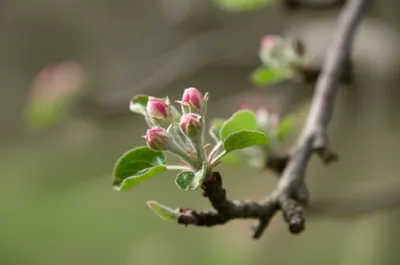
verb🔗Share싹을 틔우다To form buds."The rose bushes are beginning to apple, showing tiny green buds. "장미 덤불은 작은 녹색 싹을 보이면서 싹을 틔우기 시작한다.plantbiologyessentialChat with AIVocabulary GamePractice Reading