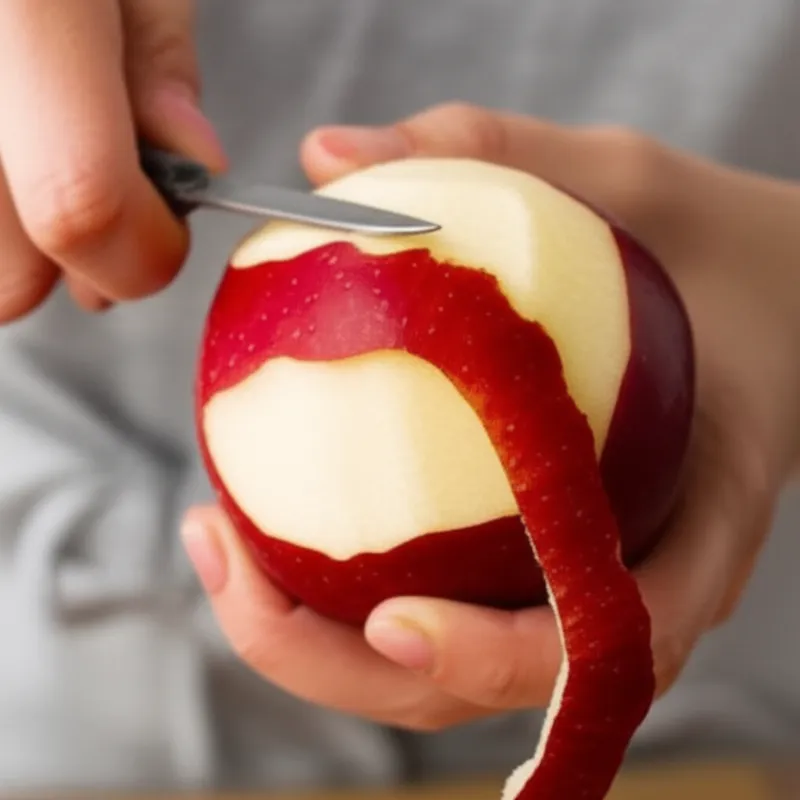
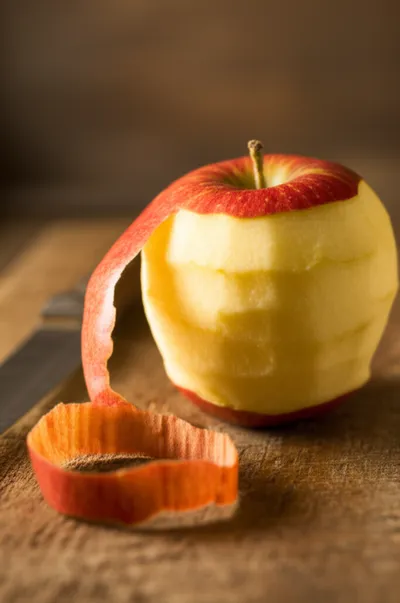
verb 다운로드 🔗공유 껍질을 벗기다 To remove the outer covering or skin of something with a cutting device, typically a knife Examples : "Victor pared some apples in preparation to make a tart." 빅터는 타르트를 만들기 위해 사과 껍질을 벗겼다. food utensil vegetable AI와 채팅어휘 게임독해 연습
verb 다운로드 🔗공유 줄이다, 깎아내다, 다듬다 (often with down or back) to reduce, diminish or trim gradually something as if by cutting off Examples : "Albert had to pare his options down by disregarding anything beyond his meager budget." 앨버트는 자신의 빈약한 예산을 초과하는 모든 것을 무시함으로써 선택지를 줄여야 했다. action process business economy AI와 채팅어휘 게임독해 연습
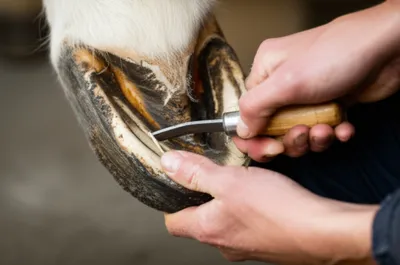
verb 다운로드 🔗공유 깎다, 손질하다 To trim the hoof of a horse Examples : "The farrier is carefully paring the horse's hoof to ensure a proper fit for the shoe. " 말굽쇠는 말의 발굽을 조심스럽게 깎아 신발에 잘 맞도록 합니다. animal agriculture technical AI와 채팅어휘 게임독해 연습
noun 다운로드 🔗공유 깎은 조각, 껍질 A fragment or shaving that has been pared. Examples : "After sharpening the pencil, there was a small paring of wood left on the desk. " 연필을 깎은 후 책상 위에 작은 나무 깎은 조각이 남았습니다. part item thing AI와 채팅어휘 게임독해 연습
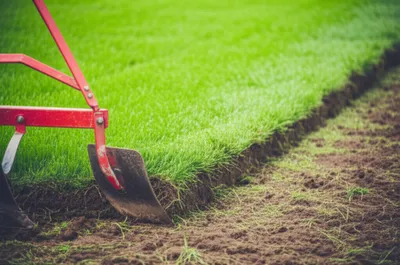
noun 다운로드 🔗공유 경작을 위해 초원의 표면을 잘라내는 것 The cutting off of the surface of grassland for tillage. Examples : "The farmer prepared the field for planting through meticulous paring, removing the thick layer of turf to expose the soil underneath. " 농부는 세심한 경작을 통해 밭을 심을 준비를 했고, 두꺼운 잔디 층을 제거하여 그 아래의 토양을 드러냈다. agriculture AI와 채팅어휘 게임독해 연습