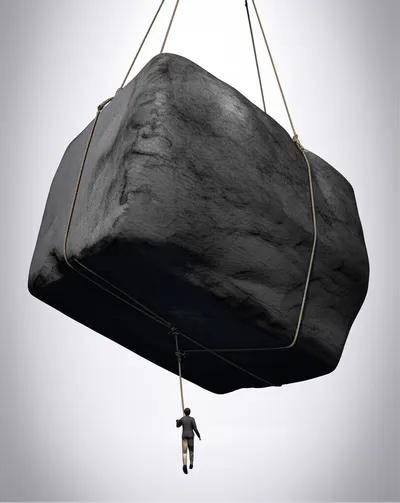
adjective 다운로드 🔗공유 육중한, 거대한, 묵직한 Heavy, massive, weighty. Examples : "The ponderous textbook felt heavy in her backpack, making it difficult to carry. " 육중한 교과서는 그녀의 배낭에서 무겁게 느껴져서 들고 다니기 힘들었다. mass material physics AI와 채팅어휘 게임독해 연습
adjective 다운로드 🔗공유 무거운, 부담스러운, 압박적인 (by extension) Serious, onerous, oppressive. Examples : "The student found the task of writing a 50-page research paper a ponderous burden. " 그 학생은 50페이지짜리 연구 논문을 쓰는 것이 무거운 부담이라고 생각했다. attitude character mind emotion AI와 채팅어휘 게임독해 연습
adjective 다운로드 🔗공유 육중한, 묵직한 Clumsy, unwieldy, or slow, especially due to weight. Examples : "The old, ponderous filing cabinet was difficult to move because it was so heavy. " 오래된 육중한 서류 캐비닛은 너무 무거워서 옮기기 어려웠다. appearance style quality AI와 채팅어휘 게임독해 연습
adjective 다운로드 🔗공유 지루한, 따분한, 장황한 Dull, boring, tedious; long-winded in expression. Examples : "The professor's lecture on ancient history was so ponderous that half the class fell asleep. " 교수의 고대 역사 강의는 너무 지루해서 반 학생이 잠들었다. style character language communication writing quality AI와 채팅어휘 게임독해 연습
adjective 다운로드 🔗공유 심사숙고하는, 사색적인 Characterized by or associated with pondering. Examples : "The student's ponderous explanation of the poem took several minutes. " 학생의 심사숙고하는 시 설명은 몇 분이 걸렸다. mind philosophy character AI와 채팅어휘 게임독해 연습
adjective 다운로드 🔗공유 육중한, 묵직한 Dense. Examples : "The ponderous textbook felt heavy in his hands, filled with dense information. " 육중한 교과서는 그의 손에서 무겁게 느껴졌고, 빽빽한 정보로 가득 차 있었다. quality appearance style AI와 채팅어휘 게임독해 연습