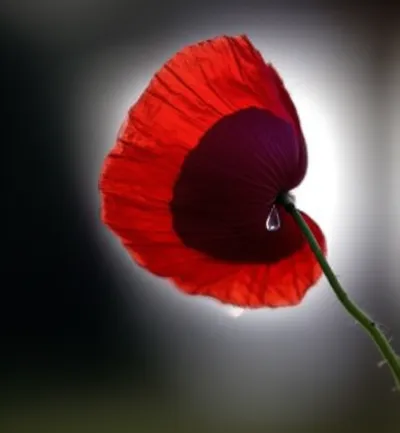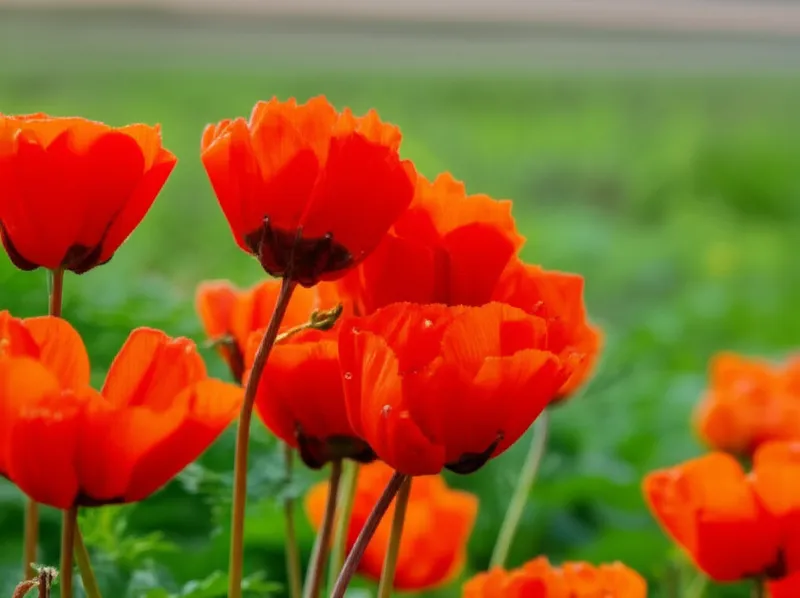

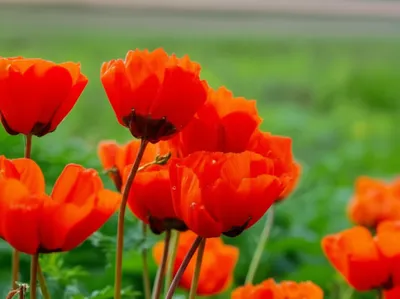
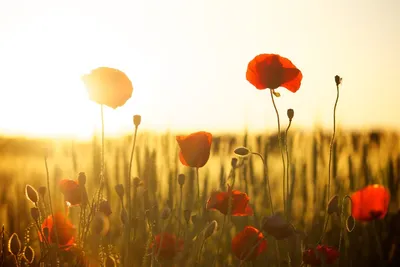
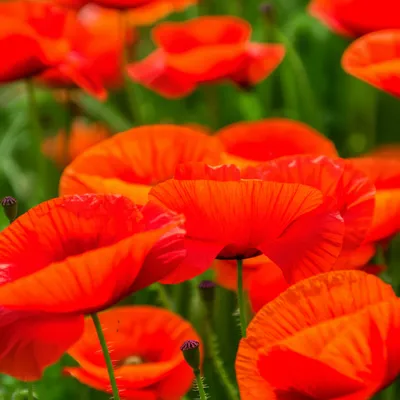
noun🔗Share양귀비Any plant of the genus Papaver or the family Papaveraceae, with crumpled, often red, petals and a milky juice having narcotic properties; especially the common poppy or corn poppy (Papaver rhoeas) which has orange-red flowers; the flower of such a plant."The field was covered in vibrant red poppies, swaying gently in the breeze. "들판은 산들바람에 부드럽게 흔들리는 선명한 붉은 양귀비로 덮여 있었다.plantmedicinenaturesubstancebiologyChat with AIVocabulary GamePractice Reading
noun🔗Share양귀비 붉은색A bright red colour tinted with orange, like that of the common poppy flower."The little girl's dress was the color of poppies, a vibrant red-orange that stood out in the crowd. "어린 소녀의 드레스는 양귀비 붉은색이었고, 군중 속에서 눈에 띄는 생생한 붉은 오렌지색이었다.colorplantChat with AIVocabulary GamePractice Reading
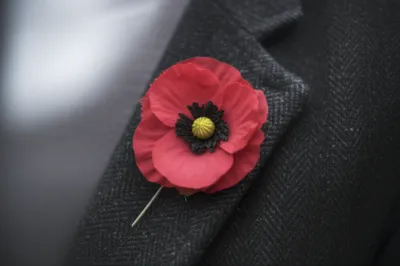
noun🔗Share양귀비, 현충일 헌화A simple artificial poppy flower worn in a buttonhole or displayed in other contexts to remember those who died in the two World Wars and other armed conflicts, especially around Remembrance Sunday."Every November, many people wear poppies to remember soldiers who died in wars. "매년 11월, 많은 사람들이 전쟁에서 사망한 군인들을 기리기 위해 현충일 헌화를 착용합니다.culturehistorywartraditionmilitarysocietypoliticsnationChat with AIVocabulary GamePractice Reading
noun🔗Share아버지, 할아버지One's father or grandfather, or a male authority figure having similar standing."My poppies always taught me the importance of honesty. "저의 아버지들은 항상 저에게 정직함의 중요성을 가르쳐 주셨습니다.familypersonChat with AIVocabulary GamePractice Reading