
noun🔗Share환각제, 정신 자극 물질Any psychoactive substance (such as LSD or psilocybin) which, when consumed, causes perceptual changes (sometimes erratic and uncontrollable), visual hallucination, and altered awareness of the body and mind."During the 1960s, authorities tried to understand the long-term effects of widespread psychedelic use. "1960년대에 당국은 광범위한 환각제 사용의 장기적인 영향을 이해하려고 노력했다.substancemedicinemindchemistryChat with AIVocabulary GamePractice Reading
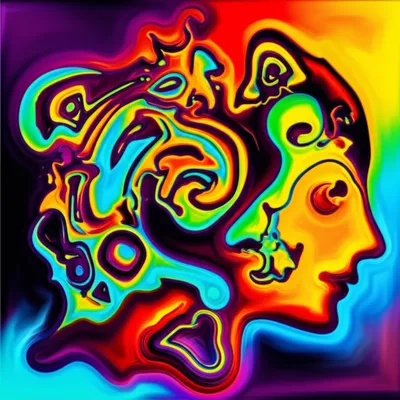
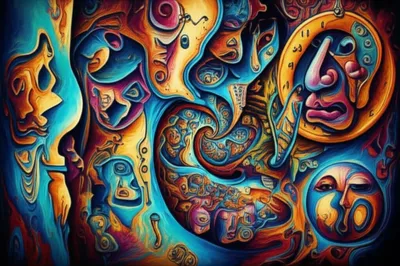
adjective🔗Share환각의, 환각을 일으키는Of, containing, generating, or reminiscent of drug-induced hallucinations, distortions of perception, altered awareness etc."The psychedelic patterns in the artist's painting made the viewer feel disoriented. "그 예술가의 그림 속 환각적인 패턴은 보는 사람을 혼란스럽게 만들었다.mindmedicinesensationartcultureChat with AIVocabulary GamePractice Reading
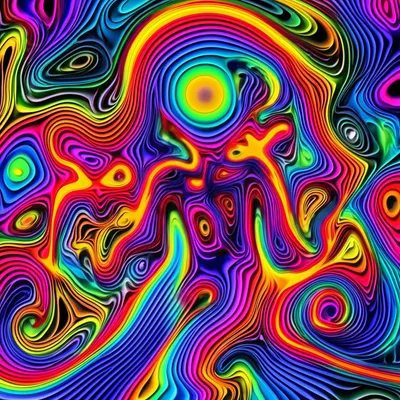
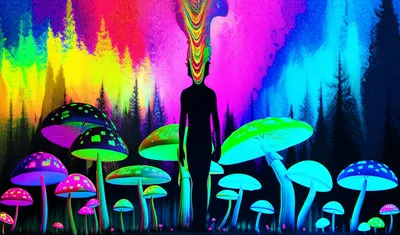
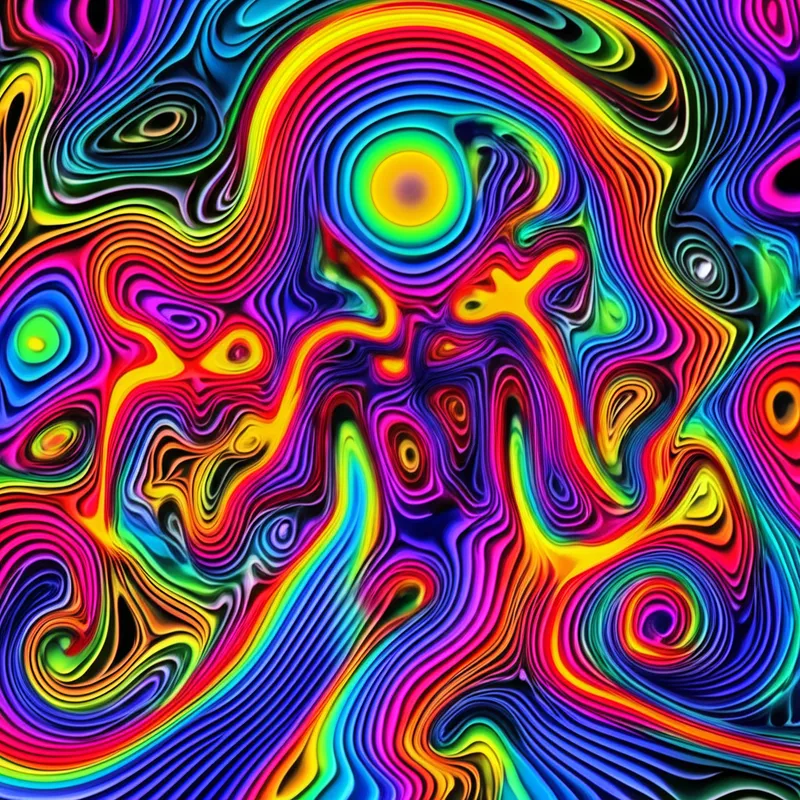
adjective🔗Share환각적인, 화려한 색상과 추상적인 모양을 가진(of graphics, etc.) Having bright colours, abstract shapes, etc. reminiscent of drug-induced hallucinations or distortions of perception."The museum displayed a series of paintings with psychedelic patterns and swirling colors that made you feel like you were dreaming. "박물관은 꿈을 꾸는 듯한 느낌을 주는 환각적인 패턴과 소용돌이치는 색상의 일련의 그림을 전시했습니다.mindartculturestylesensationappearanceChat with AIVocabulary GamePractice Reading
interjection🔗Share쩐다, 힙하다, 쿨하다Awesome, cool, groovy""My new sneakers? Psychedelic!" "“내 새 운동화? 쩐다!”languageculturestyleChat with AIVocabulary GamePractice Reading