






verb🔗Share격노하다, 분노하다To act or speak in heightened anger."After discovering someone had stolen his lunch, Mark was raging about the injustice. "누군가 그의 점심을 훔쳤다는 것을 발견한 후, 마크는 그 불공정에 대해 격노했다.emotionattitudecharacterChat with AIVocabulary GamePractice Reading
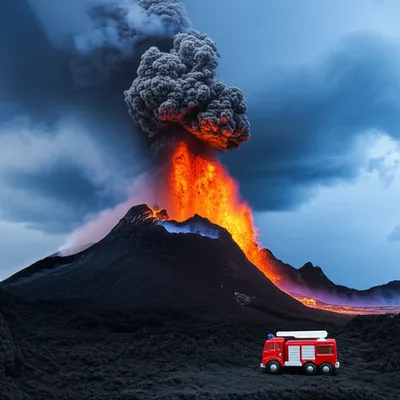
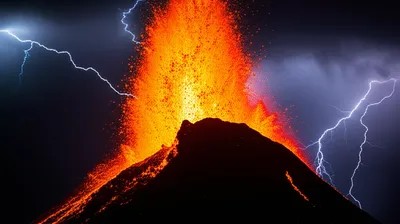
verb🔗Share맹렬히 날뛰다, 격노하다(sometimes figurative) To move with great violence, as a storm etc."The wildfire was raging through the forest, destroying everything in its path. "산불이 숲을 휩쓸며 지나가면서 모든 것을 파괴했다.weathernaturedisasterenergyChat with AIVocabulary GamePractice Reading
verb🔗Share격노하게 하다, 맹렬해지다To enrage."The bad news about the test score really raged her. "시험 점수에 대한 나쁜 소식은 그녀를 정말 격노하게 했다.emotionChat with AIVocabulary GamePractice Reading
noun🔗Share격노, 분노A display of rage."After the mistake was discovered, the manager was confronted with a raging from his team. "실수가 발견된 후, 관리자는 팀의 격노에 직면했다.emotionChat with AIVocabulary GamePractice Reading
adjective🔗Share맹렬한, 격렬한Volatile, very active or unpredictable."A raging storm kept us indoors."맹렬한 폭풍 때문에 우리는 실내에 머물렀다.natureenvironmentdisasterweatherconditionenergyemotionChat with AIVocabulary GamePractice Reading
adjective🔗Share격노한, 분노한(of a person) In a state of rage; in a state of extreme, often uncontrollable, anger."The raging customer yelled at the cashier after finding a hair in his soup. "격노한 고객은 수프에서 머리카락을 발견한 후 계산원에게 소리쳤다.emotionmindcharacterpersonChat with AIVocabulary GamePractice Reading