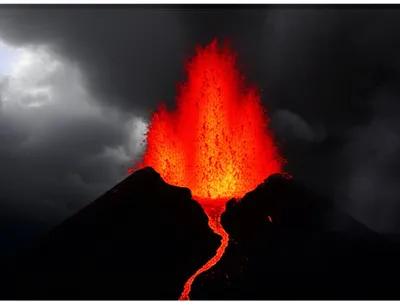
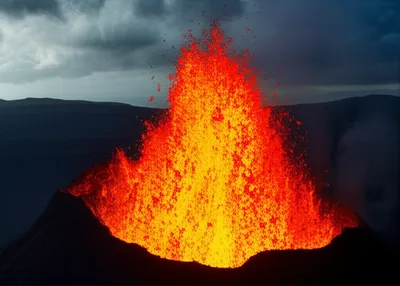
noun 다운로드 🔗공유 분노, 격노 Violent uncontrolled anger. Examples : "The student's rage at failing the test was evident in his slamming the door. " 시험에 떨어진 것에 대한 학생의 분노는 문을 쾅 닫는 행동에서 드러났다. emotion mind character AI와 채팅어휘 게임독해 연습
noun 다운로드 🔗공유 유행, 인기 A current fashion or fad. Examples : "Miniskirts were all the rage back then." 그 당시에는 미니스커트가 유행했었다. culture style society AI와 채팅어휘 게임독해 연습
noun 다운로드 🔗공유 분노, 격노 Any vehement passion. Examples : "His rage at failing the exam was evident in his slammed locker door. " 그가 시험에 떨어진 것에 대한 분노는 그가 사물함을 쾅 닫는 모습에서 드러났다. emotion mind AI와 채팅어휘 게임독해 연습
verb 다운로드 🔗공유 격노하다, 분노하다 To act or speak in heightened anger. Examples : "When he learned he'd failed the exam, he raged at his textbook. " 그는 시험에 떨어졌다는 것을 알고 교과서에 분노했다. emotion mind action AI와 채팅어휘 게임독해 연습
verb 다운로드 🔗공유 맹렬히 몰아치다, 맹위를 떨치다 (sometimes figurative) To move with great violence, as a storm etc. Examples : "The wind raged through the park, whipping leaves into a frenzy. " 바람이 공원을 휩쓸며 나뭇잎을 광란으로 몰아넣었다. weather nature action AI와 채팅어휘 게임독해 연습
verb 다운로드 🔗공유 격분하게 하다, 화나게 하다 To enrage. Examples : "The bad news about the test score completely raged the student. " 시험 점수에 대한 나쁜 소식은 그 학생을 완전히 격분하게 만들었다. emotion AI와 채팅어휘 게임독해 연습