


noun🔗Share희귀품, 진귀한 물건A scarce or uncommon item."My grandmother's antique teacups are a rare find. "할머니의 골동품 찻잔은 희귀품입니다.itemthingqualityessentialtoeicChat with AIVocabulary GamePractice Reading
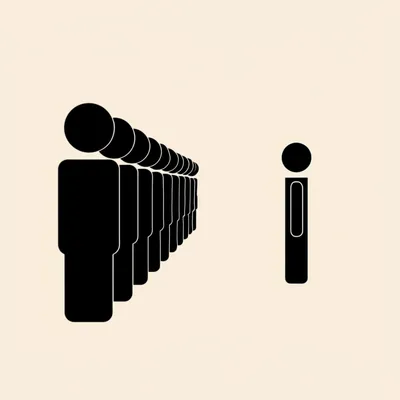
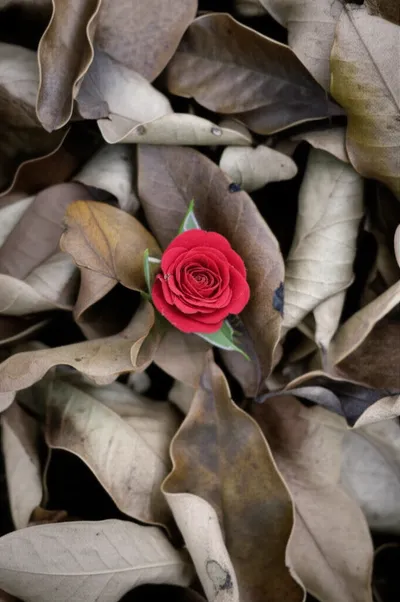
adjective🔗Share드문, 희귀한Very uncommon; scarce."Black pearls are very rare and therefore very valuable."흑진주는 매우 희귀하며 따라서 매우 가치가 높습니다.natureenvironmentessentialtoeicChat with AIVocabulary GamePractice Reading
adjective🔗Share희박한, 묽은(of a gas) Thin; of low density."The air in the high-altitude mountain cabin was rare, making it hard to breathe. "고산지대 산장의 공기는 희박하여 숨쉬기가 어려웠다.physicschemistryessentialtoeicChat with AIVocabulary GamePractice Reading
adjective🔗Share좋은, 즐거운Good; enjoyable."The teacher's lesson on ancient Rome was a rare treat for the students. "고대 로마에 대한 선생님의 수업은 학생들에게 즐거운 경험이었습니다.valueattitudequalityessentialtoeicChat with AIVocabulary GamePractice Reading
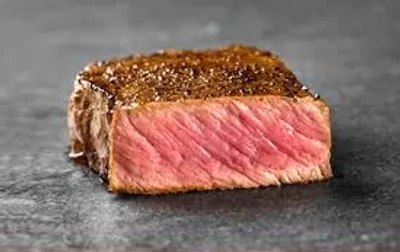
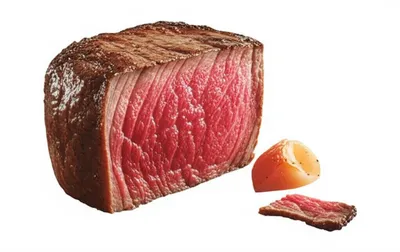
adjective🔗Share레어(particularly meats) Cooked very lightly, so the meat is still red (in the case of steak or beef in the general sense)."My uncle cooked a rare steak for dinner. "삼촌은 저녁 식사로 레어 스테이크를 요리했다.foodessentialtoeicChat with AIVocabulary GamePractice Reading
verb🔗Share일어서다, 뒷걸음질 치다To rear, rise up, start backwards."The rooster rared back its head, challenging the other rooster. "수탉은 다른 수탉에게 도전하며 머리를 뒤로 젖혔다.actionanimalessentialtoeicChat with AIVocabulary GamePractice Reading
verb🔗Share기르다, 키우다To rear, bring up, raise."The farmer's family rarely had much money, but they still reared many chickens. "그 농부의 가족은 돈이 거의 없었지만, 여전히 많은 닭을 키웠다.familyhumanessentialtoeicChat with AIVocabulary GamePractice Reading
adjective🔗Share이른Early"My grandmother's recipe for apple pie is a rare find; she only made it for special occasions. "할머니의 사과 파이 레시피는 드문 발견입니다. 할머니는 특별한 날에만 그것을 만드셨습니다.timeessentialtoeicChat with AIVocabulary GamePractice Reading