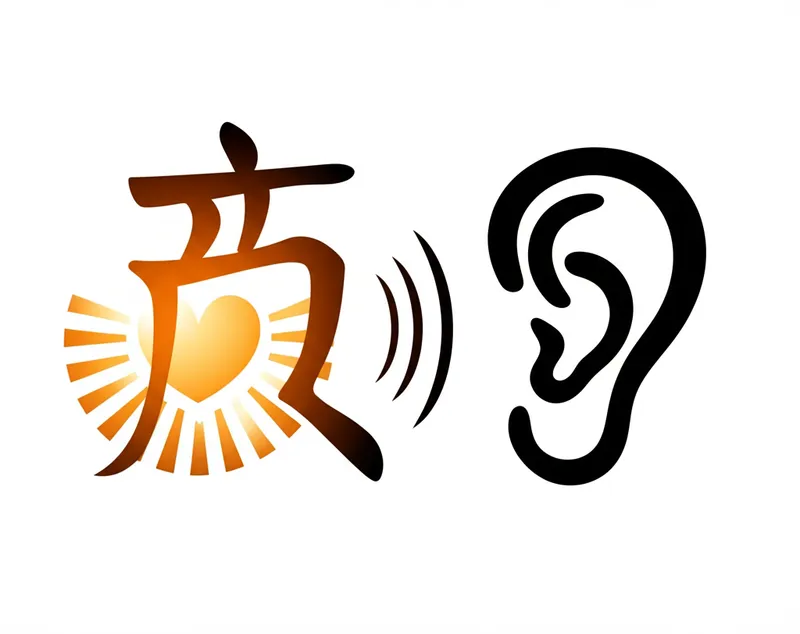


noun🔗Share의미 구성 요소In such writing systems as the Chinese writing system, the portion of a phono-semantic character that provides an indication of its meaning; contrasted with phonetic."The semantic component of the Chinese character for "tree" helps you understand its meaning, while the phonetic part indicates how to pronounce it. "중국어 '나무' 글자의 의미 구성 요소는 그 의미를 이해하는 데 도움이 되며, 음성 부분은 발음하는 방법을 나타냅니다.languagewritinglinguisticscharacterwordChat with AIVocabulary GamePractice Reading
adjective🔗Share의미론적인, 의미론과 관련된Of or relating to semantics or the meanings of words."The teacher explained the semantic differences between the words "happy" and "joyful" to help the students understand the nuances in their meanings. "선생님은 학생들이 단어의 미묘한 의미를 이해하도록 돕기 위해 "행복한"과 "기쁜" 단어의 의미론적 차이점을 설명했습니다.languagelinguisticswordcommunicationphilosophyChat with AIVocabulary GamePractice Reading
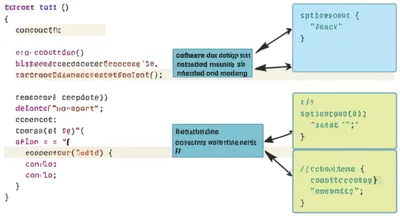
adjective🔗Share의미론적인, 의도된 구조와 의미를 반영하는(software design, of code) Reflecting intended structure and meaning."The new software program's code is very semantic, clearly reflecting the intended structure and relationships between different parts of the school database. "새로운 소프트웨어 프로그램의 코드는 매우 의미론적이며, 학교 데이터베이스의 서로 다른 부분 간의 의도된 구조와 관계를 명확하게 반영합니다.computingtechnicallanguagestructureChat with AIVocabulary GamePractice Reading
adjective🔗Share세부적인, 사소한(of a detail or distinction) Petty or trivial; (of a person or statement) quibbling, niggling."The argument over who got the last cookie was a rather semantic disagreement; it was unimportant and didn't deserve such a heated discussion. "마지막 쿠키를 누가 먹었는지에 대한 논쟁은 다소 사소한 의견 불일치였습니다. 그것은 중요하지 않았고 그렇게 격렬한 토론을 할 가치가 없었습니다.languagecommunicationwritingChat with AIVocabulary GamePractice Reading