






verb🔗Share냄새를 맡다To sense a smell or smells."I can smell fresh bread."나는 갓 구운 빵 냄새를 맡을 수 있다.physiologysensationChat with AIVocabulary GamePractice Reading
verb🔗Share냄새가 나다Followed by like or of if descriptive: to have a particular smell, whether good or bad."Her feet smell of cheese."그녀의 발에서 치즈 냄새가 난다.sensationphysiologybodyChat with AIVocabulary GamePractice Reading
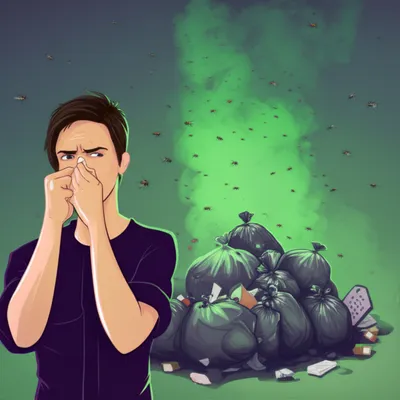
verb🔗Share악취가 나다, 냄새가 고약하다(without a modifier) To smell bad; to stink."Ew, this stuff smells."으, 이거 냄새가 고약해.sensationconditionChat with AIVocabulary GamePractice Reading
verb🔗Share냄새가 나다, 향이 나다To have a particular tincture or smack of any quality; to savour."A report smells of calumny."보고서에서 비방 냄새가 난다.sensationqualityChat with AIVocabulary GamePractice Reading
verb🔗Share냄새 맡다To exercise sagacity."Sentence: The detective, smelling something amiss in the witness's story, pressed for more details. "형사는 증인의 진술에서 뭔가 이상한 냄새를 맡고 더 자세한 내용을 요구했다.mindphilosophybeingcharacterattitudelogicChat with AIVocabulary GamePractice Reading
verb🔗Share냄새 맡다, 냄새를 맡다To detect or perceive; often with out."The dog kept smelling around the kitchen, hoping to find dropped food. "개는 떨어진 음식을 찾을 수 있을까 하여 부엌 주변을 계속 냄새 맡았다.sensationphysiologyChat with AIVocabulary GamePractice Reading
verb🔗Share주의를 기울이다, 신경 쓰다To give heed to."He wasn't smelling the teacher's instructions, so he made a mistake on the assignment. "그는 선생님의 지시 사항에 주의를 기울이지 않아서 과제에서 실수를 했다.mindactionsensationChat with AIVocabulary GamePractice Reading
noun🔗Share냄새 맡기, 냄새The act by which something is smelled."The bakery's strong smelling drew us in from the street. "빵집의 강한 냄새가 우리를 거리에서 끌어들였다.physiologysensationbodyChat with AIVocabulary GamePractice Reading