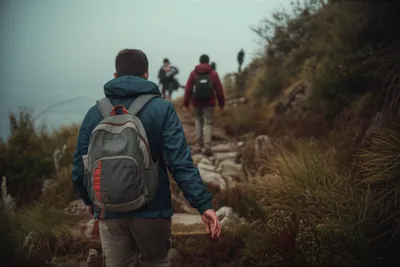
noun 다운로드 🔗공유 낙오자, 뒤쳐지는 사람 A person who straggles, or departs from the direct or proper course, or from the company to which they belong. Examples : "The teacher waited patiently for the last straggler to enter the classroom before starting the lesson. " 선생님은 수업을 시작하기 전에 마지막 낙오자가 교실에 들어오기를 참을성 있게 기다렸다. person group action AI와 채팅어휘 게임독해 연습
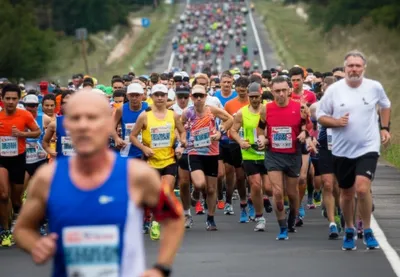
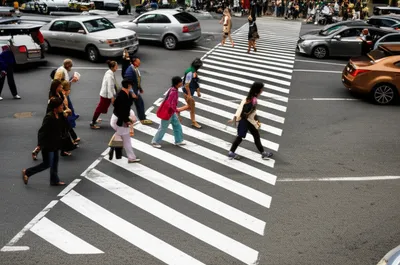
noun 다운로드 🔗공유 낙오자, 뒤쳐지는 사람 One who falls behind the rest, for example in a race. Examples : "The teacher waited patiently at the crosswalk for the last straggler to catch up to the group on the field trip. " 선생님은 현장 학습에서 마지막 낙오자가 그룹을 따라잡을 때까지 횡단보도에서 인내심을 가지고 기다렸다. person sport race group AI와 채팅어휘 게임독해 연습
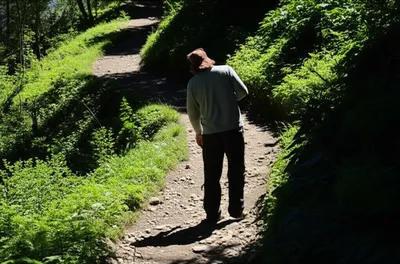
noun 다운로드 🔗공유 방랑자, 유랑자 One who roams without any settled direction. Examples : "The lost dog was a straggler, wandering aimlessly through the park. " 잃어버린 개는 방랑자였고, 공원을 목적 없이 돌아다녔다. person action group way AI와 채팅어휘 게임독해 연습
noun 다운로드 🔗공유 길 잃은 동물, 낙오자 A migratory animal found away from its usual range. Examples : ""The lone robin in my backyard in December was a straggler, as robins usually migrate south for the winter." " 12월에 내 뒷마당에 있던 외로운 로빈은 길 잃은 동물이었다. 로빈은 보통 겨울을 위해 남쪽으로 이동하기 때문이다. animal nature environment biology ecology AI와 채팅어휘 게임독해 연습
noun 다운로드 🔗공유 방랑자, 부랑자 A roving vagabond. Examples : "The straggler was late for school again, wandering down the street. " 방랑자는 다시 학교에 늦었고, 거리를 배회했다. person action AI와 채팅어휘 게임독해 연습
noun 다운로드 🔗공유 낙오자, 뒤쳐진 사람 Something that shoots, or spreads out, beyond the rest, or too far; an exuberant growth. Examples : "The tomato plant, initially tidy, now had a straggler reaching over the fence into the neighbor's yard. " 처음에는 깔끔했던 토마토 식물은 이제 울타리 너머 이웃집 마당까지 뻗어 나가는 낙오자를 가지고 있었다. group person AI와 채팅어휘 게임독해 연습
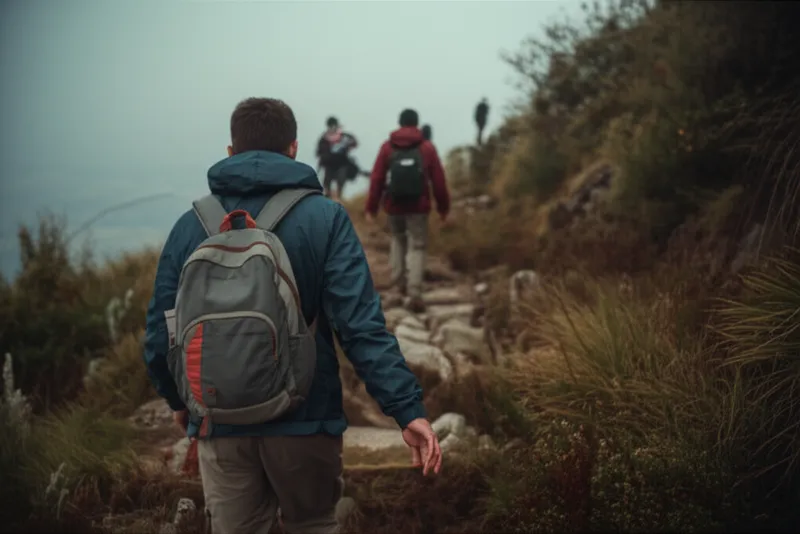
noun 다운로드 🔗공유 낙오자, 뒤쳐지는 사람 Something that stands alone or by itself. Examples : "Example Sentence: "After the group hike, a single red glove was the only straggler left on the trail." " 그룹 하이킹 후, 빨간 장갑 하나가 길에 남겨진 유일한 낙오자였다. person group thing AI와 채팅어휘 게임독해 연습