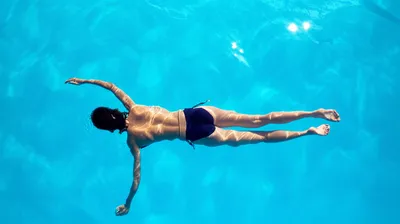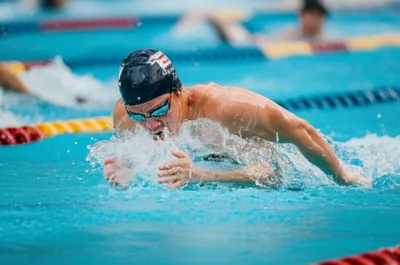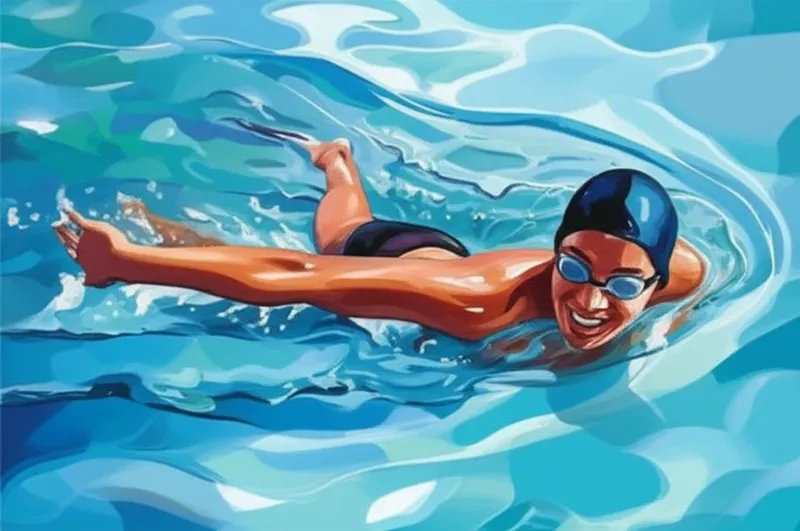


noun🔗Share수영An act or instance of swimming."After several swims in the pool, she felt refreshed. "수영장에서 여러 번 수영을 한 후, 그녀는 상쾌함을 느꼈다.sportactionChat with AIVocabulary GamePractice Reading
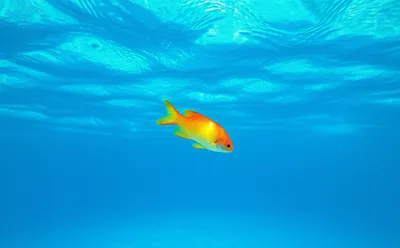
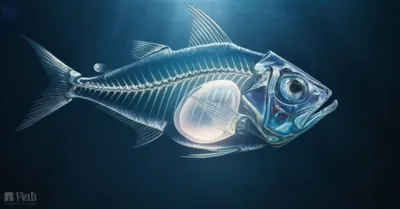
noun🔗Share부레The sound, or air bladder, of a fish."The biologist carefully extracted the fish's swims to study its buoyancy control. "생물학자는 부력 조절을 연구하기 위해 물고기의 부레를 조심스럽게 추출했다.organanimalfishanatomybiologyChat with AIVocabulary GamePractice Reading
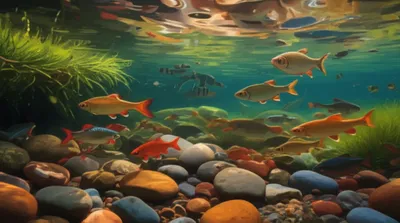
noun🔗Share물고기가 자주 다니는 곳A part of a stream much frequented by fish."The fish congregated in the shallow swims of the creek behind the school. "물고기들은 학교 뒤 시냇물의 얕은 곳에 모여 있었다.fishnatureplaceenvironmentChat with AIVocabulary GamePractice Reading
noun🔗Share1960년대 춤 동작으로, 팔을 자유형 수영 방식으로 움직이는 것A dance move of the 1960s in which the arms are moved in a freestyle swimming manner."At the retro dance party, everyone laughed as Grandpa attempted the swims, moving his arms wildly like he was actually in a pool. "복고풍 댄스 파티에서 모두가 할아버지가 수영 동작을 시도하며 마치 수영장에 있는 것처럼 팔을 격렬하게 움직이는 것을 보고 웃었다.danceentertainmentmusicculturestyleactionChat with AIVocabulary GamePractice Reading
verb🔗Share수영하다To move through the water, without touching the bottom; to propel oneself in water by natural means."The dolphin swims quickly in the ocean. "돌고래는 바다에서 빠르게 수영한다.actionsportnatureanimalphysiologybiologyoceanChat with AIVocabulary GamePractice Reading
verb🔗Share수영하다, 잠기다To become immersed in, or as if in, or flooded with, or as if with, a liquid"a bare few bits of meat swimming in watery sauce"물기 많은 소스에 고기 조각 몇 개가 잠겨 있다.actionnaturesportChat with AIVocabulary GamePractice Reading
verb🔗Share헤엄치다To move around freely because of excess space."The little boy swims in his oversized shirt. "어린 소년은 헐렁한 셔츠 안에서 헤엄친다.spaceactionChat with AIVocabulary GamePractice Reading
verb🔗Share수영하다To traverse (a specific body of water, or a specific distance) by swimming; or, to utilize a specific swimming stroke; or, to compete in a specific swimming event."For exercise, we like to swim laps around the pool."운동 삼아, 우리는 수영장에서 레인을 돕니다.sportactionoceansailingChat with AIVocabulary GamePractice Reading
verb🔗Share헤엄치게 하다To cause to swim."Half of the guinea pigs were swum daily."기니피그의 절반은 매일 헤엄치게 했다.animalactionsportnatureChat with AIVocabulary GamePractice Reading
verb🔗Share뜨다, 헤엄치다To float."sink or swim"가라앉거나 헤엄치거나.animalactionnaturesportChat with AIVocabulary GamePractice Reading
verb🔗Share넘쳐흐르다, 흠뻑 젖다To be overflowed or drenched."After the heavy rain, the garden swims in water. "폭우가 쏟아진 후, 정원은 물에 잠겼다.natureweatherenvironmentdisasterChat with AIVocabulary GamePractice Reading
verb🔗Share수영하다To immerse in water to make the lighter parts float."to swim wheat in order to select seed"종자를 선택하기 위해 밀을 수영시킨다.actionsportanimalnatureChat with AIVocabulary GamePractice Reading
verb🔗Share시험하다To test (a suspected witch) by throwing into a river; those who floated rather than sinking were deemed to be witches."In 17th century England, some villagers believed that if a woman swims, she is a witch. "17세기 영국에서, 일부 마을 사람들은 여자가 시험을 받으면 마녀라고 믿었습니다.ritualreligionhistorysupernaturalcurseChat with AIVocabulary GamePractice Reading
verb🔗Share수영하다To glide along with a waving motion."The duck swims gracefully across the pond. "오리는 연못을 가로질러 우아하게 헤엄칩니다.actionanimalbiologyorganismnaturesportChat with AIVocabulary GamePractice Reading
noun🔗Share현기증, 실신A dizziness; swoon."After standing up too quickly, she experienced swims and had to sit back down. "너무 빨리 일어선 후, 그녀는 현기증을 느껴 다시 앉아야 했다.medicinesensationbodyChat with AIVocabulary GamePractice Reading
verb🔗Share어지럽다, 빙빙 돌다To be dizzy or vertiginous; have a giddy sensation; to have, or appear to have, a whirling motion."My head was swimming after drinking two bottles of cheap wine."싸구려 와인 두 병을 마신 후 머리가 어지러웠다.sensationmedicinebodyphysiologyChat with AIVocabulary GamePractice Reading