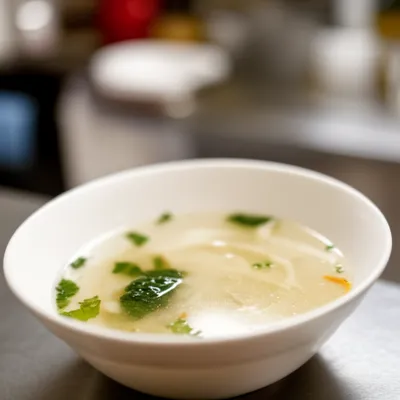
adjective 다운로드 🔗공유 물 같은, 물의 Resembling or characteristic of water. Examples : "The soup was watery and didn't have much flavor. " 수프는 물 같았고 맛이 별로 없었다. appearance quality nature substance condition AI와 채팅어휘 게임독해 연습
adjective 다운로드 🔗공유 물기 있는, 축축한 Wet, soggy or soaked with water. Examples : "The park was closed because the ground was too watery after the heavy rain. " 폭우 후 땅이 너무 축축해서 공원이 폐쇄되었습니다. weather nature condition environment AI와 채팅어휘 게임독해 연습
adjective 다운로드 🔗공유 묽은, 물 같은 Diluted or having too much water. Examples : "The juice was watery; it tasted like mostly water and not much fruit. " 주스는 묽었고, 물맛이 많이 났고 과일 맛은 별로 안 났다. appearance quality condition AI와 채팅어휘 게임독해 연습
adjective 다운로드 🔗공유 물 같은, 흐릿한 (of light) Thin and pale therefore suggestive of water. Examples : "The watery sunlight barely reached through the fog, making it hard to see the road. " 물 같은 햇빛은 안개를 거의 통과하지 못해 길을 보기 어려웠다. appearance quality AI와 채팅어휘 게임독해 연습
adjective 다운로드 🔗공유 묽은, 싱거운 Weak and insipid. Examples : "The soup was watery and lacked any real flavor. " 수프는 묽었고 진짜 맛이 없었다. quality food AI와 채팅어휘 게임독해 연습
adjective 다운로드 🔗공유 물기가 많은, 눈물이 많은 Discharging water or similar substance as a result of disease etc. Examples : "I took my cat to the vet because I was worried about his watery eyes." 나는 고양이의 눈물이 많은 눈이 걱정되어 고양이를 동물병원에 데려갔다. medicine body disease AI와 채팅어휘 게임독해 연습
adjective 다운로드 🔗공유 눈물이 많은, 눈물겨운 Tearful. Examples : "Her eyes were watery with sadness when she heard the news about her grandmother's illness. " 할머니의 병에 대한 소식을 듣고 그녀의 눈은 슬픔으로 눈물겨웠다. emotion body AI와 채팅어휘 게임독해 연습