verb 다운로드 🔗공유 웃었다 To show mirth, satisfaction, or derision, by peculiar movement of the muscles of the face, particularly of the mouth, causing a lighting up of the face and eyes, and usually accompanied by the emission of explosive or chuckling sounds from the chest and throat; to indulge in laughter. Examples : "There were many laughing children running on the school grounds." 학교 운동장에는 웃고 있는 아이들이 많이 뛰어놀고 있었다. emotion human action sound entertainment mind body sensation AI와 채팅어휘 게임독해 연습
verb 다운로드 🔗공유 웃었다, 즐거워하다 To be or appear cheerful, pleasant, mirthful, lively, or brilliant; to sparkle; to sport. Examples : "The children laughed as they splashed water in the park fountain. " 아이들은 공원 분수에서 물을 튀기며 웃었다. emotion character human entertainment AI와 채팅어휘 게임독해 연습
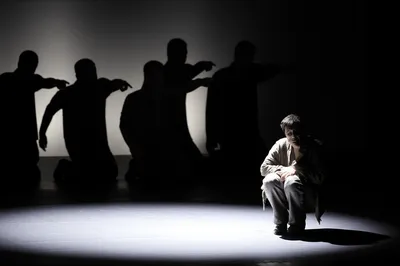
verb 다운로드 🔗공유 비웃다, 조롱하다 (followed by "at") To make an object of laughter or ridicule; to make fun of; to deride; to mock. Examples : "The students laughed at the clumsy way the new student tripped on the stairs. " 학생들은 새 학생이 계단에서 넘어지는 어설픈 모습을 비웃었다. action attitude communication emotion human language AI와 채팅어휘 게임독해 연습
verb 다운로드 🔗공유 비웃다, 조롱하다 To affect or influence by means of laughter or ridicule. Examples : "The other students laughed him off the stage after he forgot the words to the song. " 다른 학생들은 그가 노래 가사를 잊어버린 후 그를 비웃으며 무대에서 쫓아냈다. emotion entertainment communication character human action attitude AI와 채팅어휘 게임독해 연습
verb 다운로드 🔗공유 웃었다 To express by, or utter with, laughter. Examples : "My little brother laughed when I tickled him. " 내 남동생은 내가 그를 간지럽혔을 때 웃었다. emotion action sound entertainment communication human AI와 채팅어휘 게임독해 연습