




noun🔗Share합성 화합물A synthetic compound."The scientist studied the properties of the synthetic fiber. "과학자는 합성 섬유의 특성을 연구했다.compoundsubstancematerialchemistryChat with AIVocabulary GamePractice Reading
adjective🔗Share합성의Of, or relating to synthesis."The scientist created a synthetic fiber for use in making stronger, more durable fabrics. "그 과학자는 더 강하고 내구성이 좋은 직물을 만드는 데 사용하기 위해 합성 섬유를 만들었습니다.materialchemistryscienceChat with AIVocabulary GamePractice Reading
adjective🔗Share합성된, 인공적인Produced by synthesis instead of being isolated from a natural source (but may be identical to a product so obtained)."The scientist created a synthetic fertilizer, identical in effect to natural fertilizers, for his garden. "그 과학자는 자신의 정원을 위해 천연 비료와 효과가 동일한 합성 비료를 만들었다.materialchemistrysciencetechnologyindustryChat with AIVocabulary GamePractice Reading
adjective🔗Share인공적인, 합성의Artificial, not genuine,"The scientist created a synthetic material for the new jacket, one that was more durable than natural wool. "과학자는 새 재킷을 위해 천연 양모보다 더 내구성이 좋은 합성 소재를 만들었습니다.materialtechnologyscienceChat with AIVocabulary GamePractice Reading
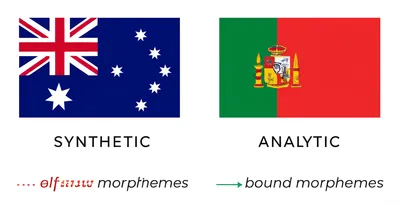
adjective🔗Share합성적인(grammar) Pertaining to the joining of bound morphemes in a word (compare analytic)."The word "unhappiness" is a synthetic word, combining the morphemes "un-" (meaning "not") and "-happiness" (meaning "joy"). "단어 "unhappiness"는 "un-" (의미 "not")과 "-happiness" (의미 "joy") 형태소를 결합한 합성어입니다.grammarlinguisticslanguageChat with AIVocabulary GamePractice Reading
adjective🔗Share합성적인Of a language, having a grammar principally dependent on the use of bound morphemes to indicate syntactic relationships (compare analytic)."The new language course focused on synthetic grammar, relying heavily on prefixes and suffixes to show the relationships between words. "새로운 언어 과정은 합성적인 문법에 초점을 맞추어 단어 간의 관계를 보여주기 위해 접두사와 접미사에 크게 의존했습니다.grammarlanguagelinguisticsChat with AIVocabulary GamePractice Reading