





adjective🔗Share외상성의, 정신적 외상을 주는Of, caused by, or causing trauma."The car accident was a traumatic experience for the young boy. "그 자동차 사고는 어린 소년에게 정신적 외상을 주는 경험이었다.mindmedicinesufferingemotionChat with AIVocabulary GamePractice Reading
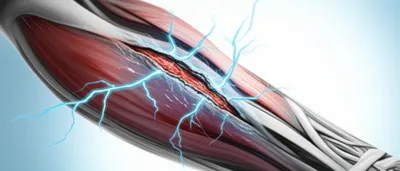
adjective🔗Share외상의, 트라우마의Of or relating to wounds; applied to wounds."The doctor treated the traumatic wound on the boy's arm. "의사는 소년의 팔에 있는 외상성 상처를 치료했다.medicinebodymindsufferingconditionChat with AIVocabulary GamePractice Reading
adjective🔗Share상처 치료에 적합한Adapted to the cure of wounds; vulnerary."While traditionally "traumatic" describes something causing emotional distress, in its less common, medical sense, the sentence could be: "Dr. Lee researched traumatic herbs to find a natural way to heal skin injuries." "전통적으로 "외상적인"은 정서적 고통을 유발하는 것을 묘사하지만, 덜 일반적인 의학적 의미에서 문장은 다음과 같을 수 있습니다: "이 박사는 피부 부상을 치료할 수 있는 자연적인 방법을 찾기 위해 상처 치료에 적합한 약초를 연구했습니다.medicineanatomyChat with AIVocabulary GamePractice Reading
adjective🔗Share외상의, 트라우마의Produced by wounds."traumatic tetanus"외상성 파상풍medicineChat with AIVocabulary GamePractice Reading
noun🔗Share상처 치료제A medicine for wounds; a vulnerary."The doctor prescribed a strong traumatic to help heal the deep cut on my arm. "의사는 팔에 깊은 상처를 치료하기 위해 강력한 상처 치료제를 처방했습니다.medicineChat with AIVocabulary GamePractice Reading