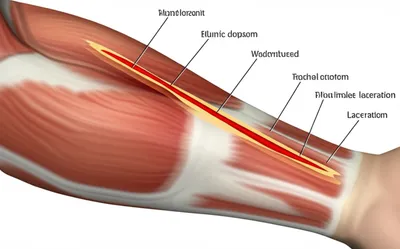
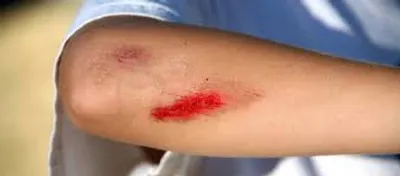
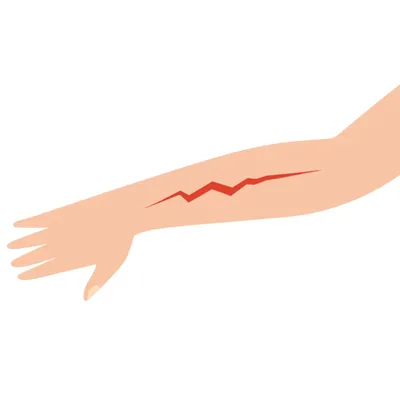
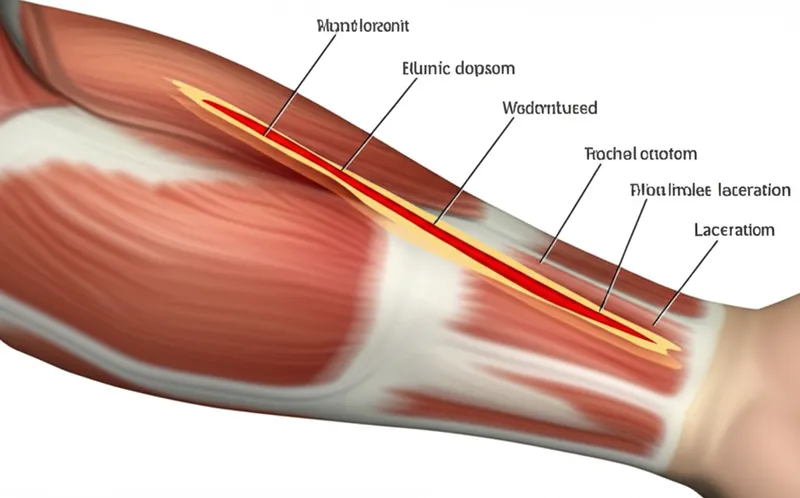
noun 다운로드 🔗공유 상처, 부상 An injury, such as a cut, stab, or tear, to a (usually external) part of the body. Examples : "The boy received a deep wound on his knee during a soccer game. " 그 소년은 축구 경기 중에 무릎에 깊은 상처를 입었다. medicine body anatomy essential toefl AI와 채팅어휘 게임독해 연습
noun 다운로드 🔗공유 상처, 훼손 A hurt to a person's feelings, reputation, prospects, etc. Examples : "It took a long time to get over the wound of that insult." 그 모욕의 상처를 극복하는 데 오랜 시간이 걸렸다. emotion mind character essential toefl AI와 채팅어휘 게임독해 연습
noun 다운로드 🔗공유 상처, 부상 An injury to a person by which the skin is divided or its continuity broken. Examples : "The boy received a deep wound on his knee while playing soccer. " 그 소년은 축구를 하다가 무릎에 깊은 상처를 입었다. medicine body essential toefl AI와 채팅어휘 게임독해 연습
verb 다운로드 🔗공유 상처를 입히다, 다치게 하다 To hurt or injure (someone) by cutting, piercing, or tearing the skin. Examples : "The police officer wounded the suspect during the fight that ensued." 경찰관은 이어진 싸움에서 용의자에게 상처를 입혔다. medicine body action essential toefl AI와 채팅어휘 게임독해 연습
verb 다운로드 🔗공유 상처를 주다, 마음을 아프게 하다 To hurt (a person's feelings). Examples : "His boss's criticism really wound him up; he felt terrible all day. " 그의 상사의 비판은 그에게 정말 상처를 주었고, 그는 하루 종일 기분이 안 좋았다. emotion mind human essential toefl AI와 채팅어휘 게임독해 연습
verb 다운로드 🔗공유 불다, 연주하다 To blow air through a wind instrument or horn to make a sound. Examples : "The musician wound the trumpet and played a beautiful melody. " 음악가는 트럼펫을 불어 아름다운 멜로디를 연주했다. music sound essential toefl AI와 채팅어휘 게임독해 연습
verb 다운로드 🔗공유 숨차게 하다, 상처를 입히다 To cause (someone) to become breathless, as by a blow to the abdomen, or by physical exertion, running, etc. Examples : "The boxer was winded during round two." 그 권투 선수는 2라운드에서 숨이 찼다. body physiology sensation action essential toefl AI와 채팅어휘 게임독해 연습
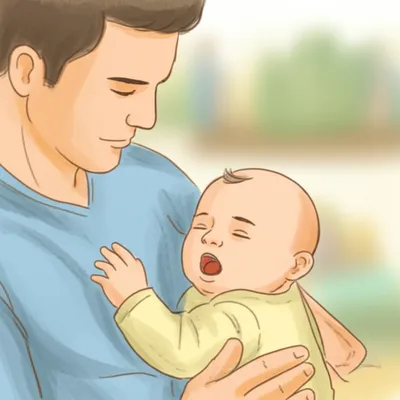
verb 다운로드 🔗공유 트림하게 하다 To cause a baby to bring up wind by patting its back after being fed. Examples : "The mother wound her baby after feeding it to help it bring up air. " 엄마는 아기에게 젖을 먹인 후 트림을 시켜 공기를 배출하도록 도왔다. family human physiology body action essential toefl AI와 채팅어휘 게임독해 연습
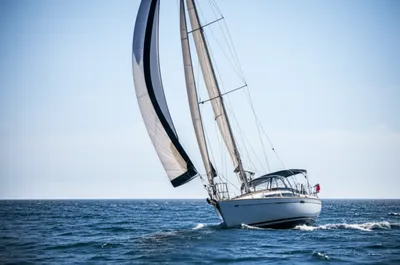
verb 다운로드 🔗공유 배를 돌리다 To turn a boat or ship around, so that the wind strikes it on the opposite side. Examples : "The sailboat captain wound the vessel to face the stronger wind. " 요트 선장은 더 강한 바람을 맞도록 배를 돌렸다. nautical sailing vehicle essential toefl AI와 채팅어휘 게임독해 연습
verb 다운로드 🔗공유 바람에 노출시키다, 통풍하다 To expose to the wind; to winnow; to ventilate. Examples : "The farmer wound the grain to remove the chaff. " 농부는 왕겨를 제거하기 위해 곡물을 바람에 노출시켰다. agriculture environment weather essential toefl AI와 채팅어휘 게임독해 연습
verb 다운로드 🔗공유 냄새 맡다, 냄새로 찾다 To perceive or follow by scent. Examples : "The hounds winded the game." 사냥개들이 사냥감을 냄새 맡았다. sensation animal nature essential toefl AI와 채팅어휘 게임독해 연습
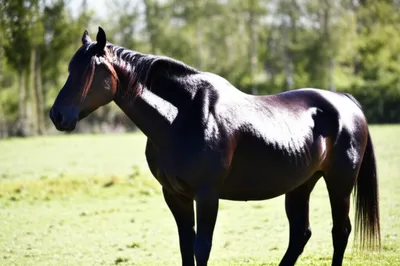
verb 다운로드 🔗공유 숨을 돌리게 하다, 숨쉬게 하다 To rest (a horse, etc.) in order to allow the breath to be recovered; to breathe. Examples : "The exhausted marathon runner needed to wound her horse before continuing the journey. " 지친 마라톤 선수는 여행을 계속하기 전에 말에게 숨을 돌리게 해야 했다. animal physiology essential toefl AI와 채팅어휘 게임독해 연습
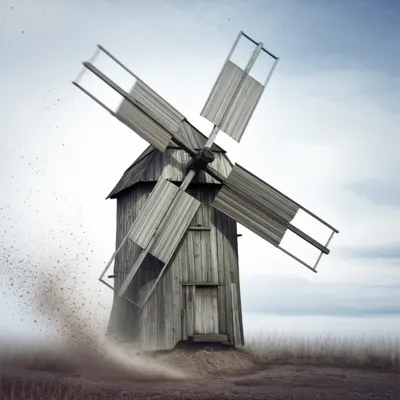
verb 다운로드 🔗공유 풍차의 날개가 바람을 향하도록 돌리다 To turn a windmill so that its sails face into the wind. Examples : "The farmer wound the windmill to capture the wind's energy and grind wheat. " 농부는 바람의 에너지를 포착하고 밀을 갈기 위해 풍차의 날개를 돌렸다. sailing nautical machine energy essential toefl AI와 채팅어휘 게임독해 연습
verb 다운로드 🔗공유 감다, 꼬다 To turn coils of (a cord or something similar) around something. Examples : "to wind thread on a spool or into a ball" 실을 스풀이나 공 모양으로 감다. action process essential toefl AI와 채팅어휘 게임독해 연습
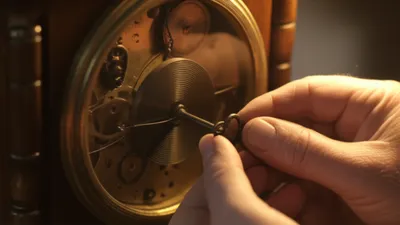
verb 다운로드 🔗공유 감다 To tighten the spring of a clockwork mechanism such as that of a clock. Examples : "Please wind that old-fashioned alarm clock." 그 낡은 알람 시계의 태엽을 감아주세요. time machine energy function technical essential toefl AI와 채팅어휘 게임독해 연습
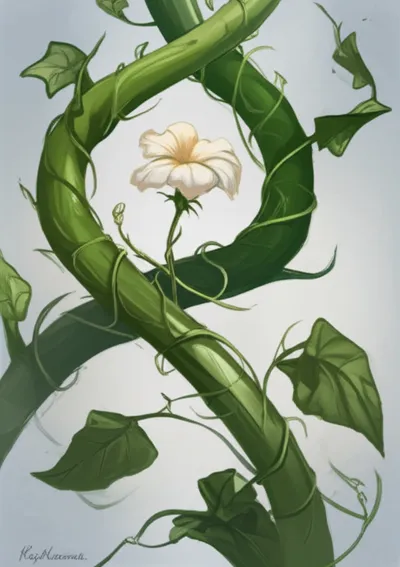
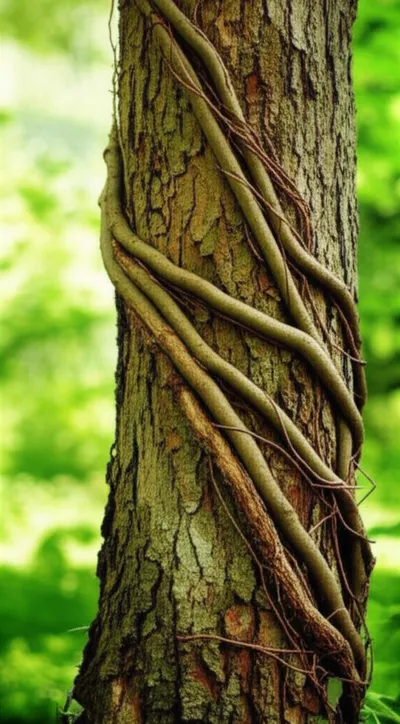
verb 다운로드 🔗공유 감다, 휘감다 To entwist; to enfold; to encircle. Examples : "The vine wound itself around the old oak tree. " 덩굴은 낡은 참나무를 감쌌다. action essential toefl AI와 채팅어휘 게임독해 연습
verb 다운로드 🔗공유 구불구불하다, 굽이돌다 To travel in a way that is not straight. Examples : "Vines wind round a pole. The river winds through the plain." 덩굴은 기둥을 감고 돈다. 강은 평원을 구불구불 흐른다. way action direction essential toefl AI와 채팅어휘 게임독해 연습
verb 다운로드 🔗공유 지배하다, 통제하다, 다스리다 To have complete control over; to turn and bend at one's pleasure; to vary or alter or will; to regulate; to govern. Examples : "The teacher wound the lesson plan to fit the students' current understanding. " 선생님은 학생들의 현재 이해도에 맞춰 수업 계획을 조정했다. government politics ability essential toefl AI와 채팅어휘 게임독해 연습
verb 다운로드 🔗공유 암시하다, 넌지시 말하다 To introduce by insinuation; to insinuate. Examples : "The teacher subtly wound doubts about the student's abilities into her comments during the meeting. " 선생님은 회의 중에 학생의 능력에 대한 의문을 자신의 발언에 미묘하게 암시했다. communication language word essential toefl AI와 채팅어휘 게임독해 연습
verb 다운로드 🔗공유 감다, 두르다 To cover or surround with something coiled about. Examples : "to wind a rope with twine" 밧줄을 끈으로 감다. action wear essential toefl AI와 채팅어휘 게임독해 연습
verb 다운로드 🔗공유 감다, 돌리다 To cause to move by exerting a winding force; to haul or hoist, as by a winch. Examples : "The construction workers wound the heavy beam up the crane using the winch. " 건설 노동자들은 윈치를 사용하여 무거운 빔을 크레인 위로 감아 올렸다. technology nautical machine action essential toefl AI와 채팅어휘 게임독해 연습
verb 다운로드 🔗공유 방향을 바꾸다 To turn (a ship) around, end for end. Examples : "The captain wound the ship, turning it around to face the harbor entrance. " 선장은 배의 방향을 돌려 항구 입구를 향하게 했다. nautical sailing essential toefl AI와 채팅어휘 게임독해 연습