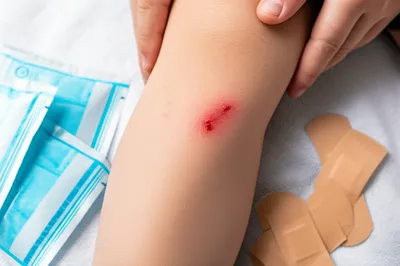
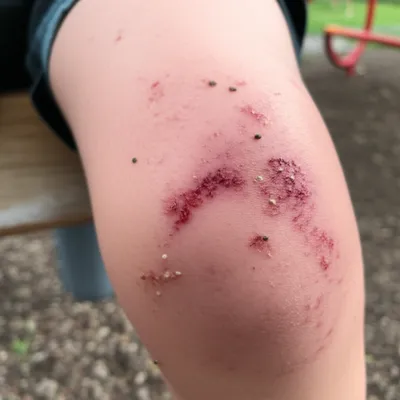
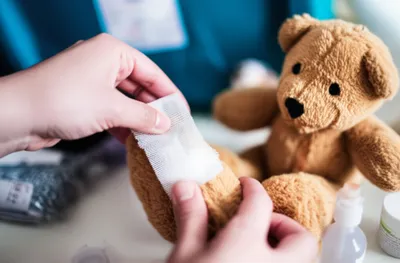
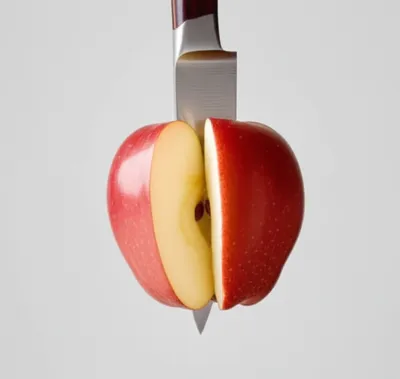
noun 다운로드 🔗공유 상처, 부상 An injury, such as a cut, stab, or tear, to a (usually external) part of the body. Examples : "The doctor cleaned and bandaged the child's knee wounds after she fell on the playground. " 의사는 아이가 놀이터에서 넘어진 후 아이의 무릎 상처를 깨끗하게 하고 붕대를 감았습니다. medicine body anatomy AI와 채팅어휘 게임독해 연습
noun 다운로드 🔗공유 상처, 아픔 A hurt to a person's feelings, reputation, prospects, etc. Examples : "It took a long time to get over the wound of that insult." 그 모욕의 상처를 극복하는 데 오랜 시간이 걸렸다. emotion mind suffering character AI와 채팅어휘 게임독해 연습
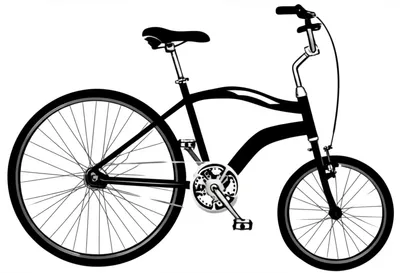
noun 다운로드 🔗공유 상처, 부상 An injury to a person by which the skin is divided or its continuity broken. Examples : "The doctor cleaned the wounds on the boy's knees after he fell off his bicycle. " 의사는 소년이 자전거에서 떨어진 후 무릎의 상처를 소독했다. medicine body anatomy AI와 채팅어휘 게임독해 연습
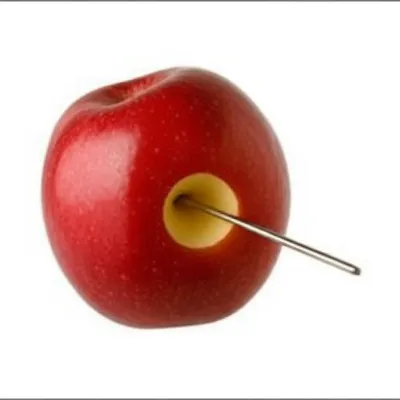
verb 다운로드 🔗공유 상처를 입히다, 다치게 하다 To hurt or injure (someone) by cutting, piercing, or tearing the skin. Examples : "The police officer wounded the suspect during the fight that ensued." 경찰관은 이어진 싸움에서 용의자에게 상처를 입혔다. medicine body action human AI와 채팅어휘 게임독해 연습
verb 다운로드 🔗공유 상처를 주다, 마음을 아프게 하다 To hurt (a person's feelings). Examples : "Her harsh words deeply wounds him. " 그녀의 거친 말은 그에게 깊은 상처를 준다. mind human person emotion AI와 채팅어휘 게임독해 연습