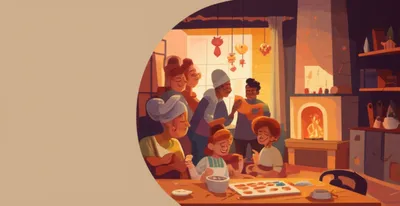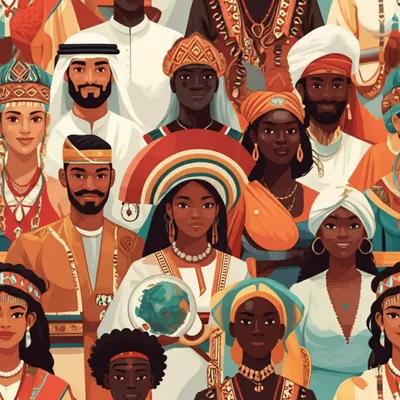


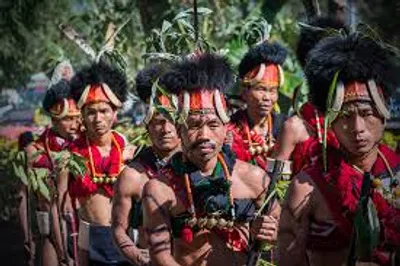
noun🔗Share부족, 종족A socially, ethnically, or politically cohesive group of people."The students in the debate club formed a close-knit tribe, supporting each other through practice and competitions. "토론 클럽의 학생들은 연습과 대회를 통해 서로를 지지하며 끈끈한 종족을 형성했다.groupculturepoliticsnationsocietyhistoryorganizationessentialChat with AIVocabulary GamePractice Reading
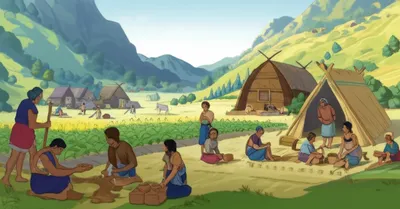
noun🔗Share부족A society larger than a band but smaller than a state."The local mountain tribe has its own unique traditions and customs. "현지 산악 부족은 그들만의 독특한 전통과 관습을 가지고 있습니다.culturesocietygrouphistoryessentialChat with AIVocabulary GamePractice Reading
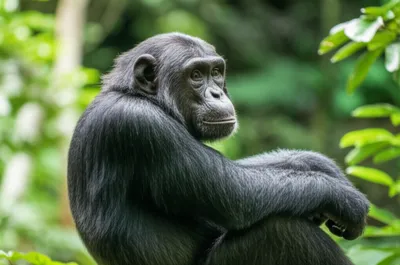
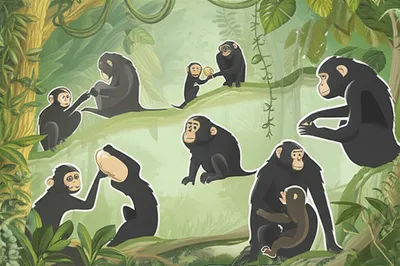
noun🔗Share무리, 집단A group of apes who live and work together."The chimpanzee tribe spent the morning foraging for fruit together. "침팬지 무리는 아침에 함께 과일을 찾아다녔다.animalgroupessentialChat with AIVocabulary GamePractice Reading
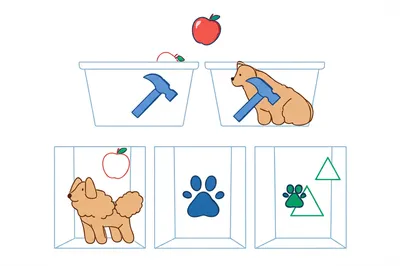
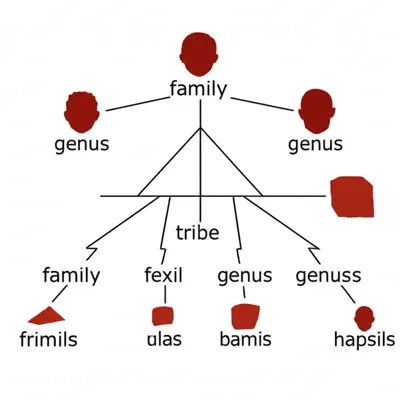
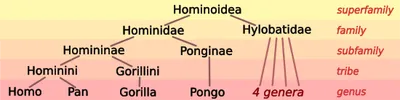
noun🔗Share부족A hierarchal rank between family and genus."The student's family belonged to a tribe of avid book readers at their school. "그 학생의 가족은 학교에서 열렬한 독서가 부족에 속해 있었다.grouporganizationfamilyculturesocietyhistoryessentialChat with AIVocabulary GamePractice Reading
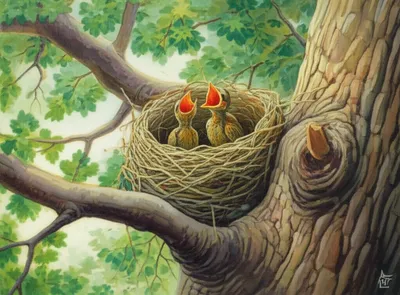
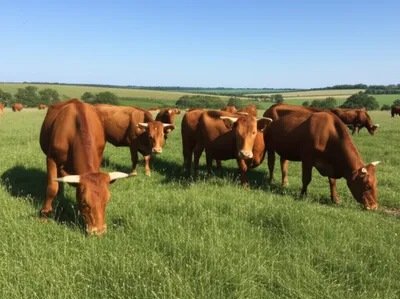
noun🔗Share무리, 떼The collective noun for various animals."The flock of birds, a large tribe of sparrows, flew over the school. "새 떼, 참새의 큰 무리가 학교 위로 날아갔다.animalgroupessentialChat with AIVocabulary GamePractice Reading
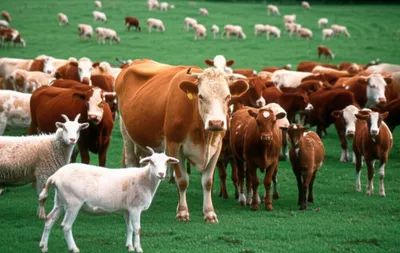
noun🔗Share계통(stock breeding) A family of animals descended from some particular female progenitor, through the female line."the Duchess tribe of shorthorns"쇼트혼의 더치스 계통.animalfamilybiologyagricultureessentialChat with AIVocabulary GamePractice Reading
verb🔗Share부족으로 나누다, 분류하다To distribute into tribes or classes; to categorize."The teacher tribued the students into three groups based on their reading levels. "선생님은 학생들을 읽기 수준에 따라 세 그룹으로 분류했습니다.grouporganizationsocietyessentialChat with AIVocabulary GamePractice Reading