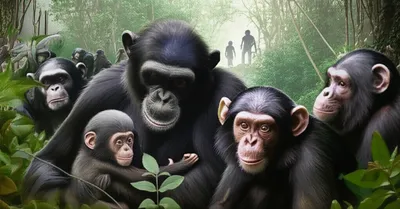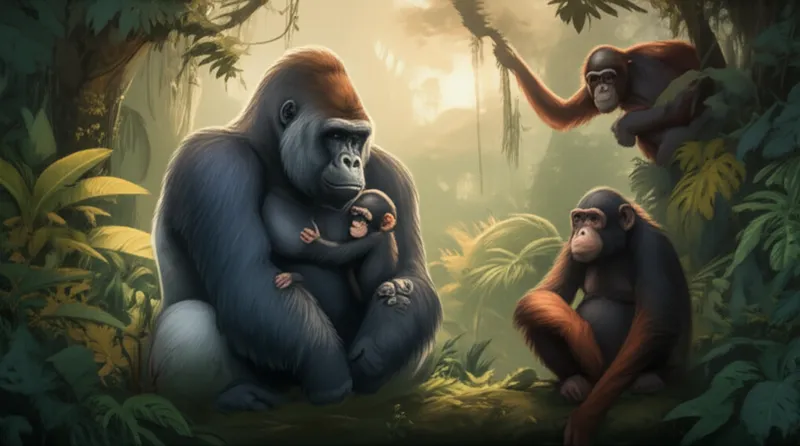

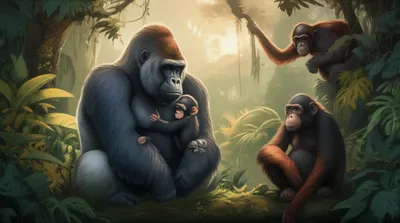
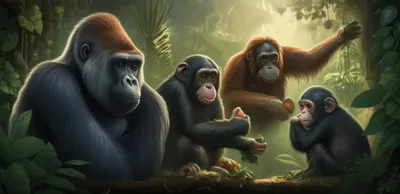



noun🔗Share유인원A primate of the clade Hominoidea, generally larger than monkeys and distinguished from them by having no tail."The zoo has several different species of apes, including gorillas and chimpanzees. "동물원에는 고릴라와 침팬지를 포함하여 여러 종류의 유인원이 있습니다.animalbiologyorganismChat with AIVocabulary GamePractice Reading
noun🔗Share유인원Any such primate other than a human."The zoo had a special exhibit featuring apes, including gorillas and chimpanzees. "동물원에는 고릴라와 침팬지를 포함한 유인원을 전시하는 특별 전시회가 있었습니다.animalorganismbiologyChat with AIVocabulary GamePractice Reading
noun🔗Share미개인, 야만인An uncivilised person."While I disagree with the sentiment, the manager referred to the unruly customers as "apes" for their loud and destructive behavior in the restaurant. "나는 그 감정에 동의하지 않지만, 매니저는 식당에서 시끄럽고 파괴적인 행동을 한 고객들을 "미개인"이라고 불렀다.personcharacterhumaninhumanChat with AIVocabulary GamePractice Reading
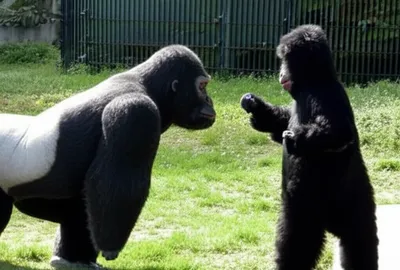
noun🔗Share흉내쟁이, 원숭이One who apes; a foolish imitator.""The younger students were just apes, copying everything the older kids did, even the silly dances." "어린 학생들은 그저 흉내쟁이였고, 나이 많은 아이들이 하는 모든 것을 따라했고, 심지어 바보 같은 춤까지 따라했다.characterpersonChat with AIVocabulary GamePractice Reading
verb🔗Share원숭이 흉내를 내다To behave like an ape."The younger brother often apes his older brother's gestures and speech, much to his older brother's annoyance. "어린 동생은 형의 짜증을 자아내며 형의 몸짓과 말투를 자주 흉내낸다.animalhumanChat with AIVocabulary GamePractice Reading
verb🔗Share흉내내다, 흉내To imitate or mimic, particularly to imitate poorly."He apes his older brother's walk, but it just looks awkward. "그는 형의 걸음걸이를 흉내내지만, 어색해 보일 뿐이다.actionhumanChat with AIVocabulary GamePractice Reading