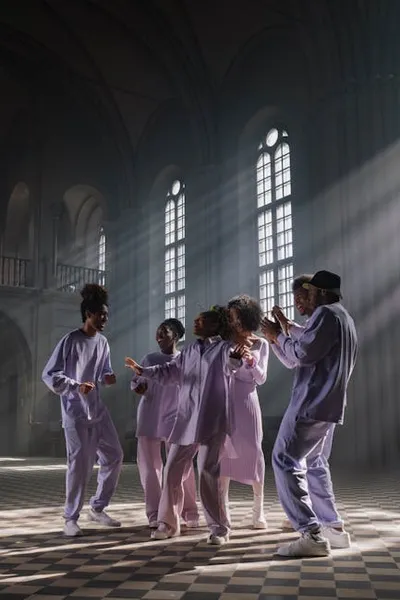
verb 다운로드 🔗공유 소리내어 말하다, 발성하다 To express with the voice, to utter. Examples : "The baby vocalized her hunger with loud cries. " 아기는 큰 울음소리로 배고픔을 소리내어 말했다. language communication sound AI와 채팅어휘 게임독해 연습
verb 다운로드 🔗공유 소리를 내다, 울부짖다 (of animals) To produce noises or calls from the throat. Examples : "We could hear the monkeys vocalizing, though we could not see them." 우리는 원숭이들이 소리를 내는 것을 들을 수 있었지만, 그들을 볼 수는 없었다. animal sound biology physiology AI와 채팅어휘 게임독해 연습
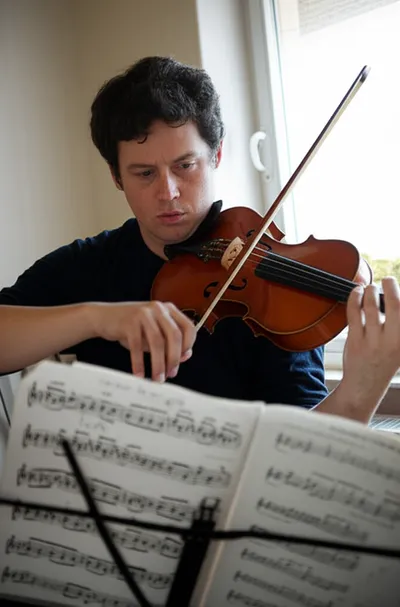
verb 다운로드 🔗공유 가사 없이 노래하다 To sing without using words. Examples : "The opera singer vocalized for ten minutes before starting the aria, practicing the melody without words. " 오페라 가수는 아리아를 시작하기 전에 10분 동안 가사 없이 노래하며 멜로디를 연습했다. music entertainment sound action language communication AI와 채팅어휘 게임독해 연습
verb 다운로드 🔗공유 자음을 모음으로 바꾸다 To turn a consonant into a vowel. Examples : "In Hong Kong English, /l/ may be vocalized at the end of a syllable." 홍콩 영어에서 /l/은 음절의 끝에서 모음으로 바뀔 수 있습니다. phonetics linguistics language AI와 채팅어휘 게임독해 연습
verb 다운로드 🔗공유 유성음으로 발음하다 To make a sound voiced rather than voiceless. Examples : "She vocalized the "s" at the end of "cats," making it a voiced /z/ sound instead of a voiceless /s/ sound. " 그녀는 "cats"의 끝에 있는 "s"를 유성음화하여 무성음 /s/ 대신 유성음 /z/ 소리를 냈다. phonetics language sound communication AI와 채팅어휘 게임독해 연습
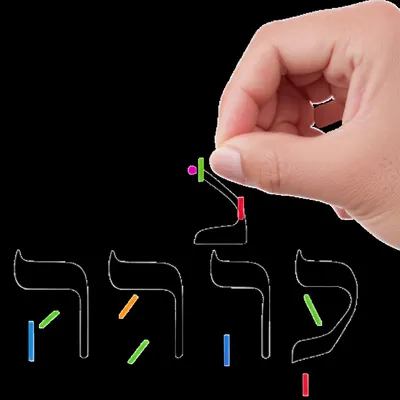
verb 다운로드 🔗공유 모음을 붙이다, 발음 부호를 넣다 To add vowel points to a consonantal script (e.g. niqqud in Hebrew) Examples : "The Hebrew teacher vocalized the ancient text by adding the niqqud marks below and above the consonants. " 히브리어 선생님은 자음 아래와 위에 니쿠드 부호를 추가하여 고대 텍스트에 모음을 붙였다. language linguistics writing phonetics AI와 채팅어휘 게임독해 연습