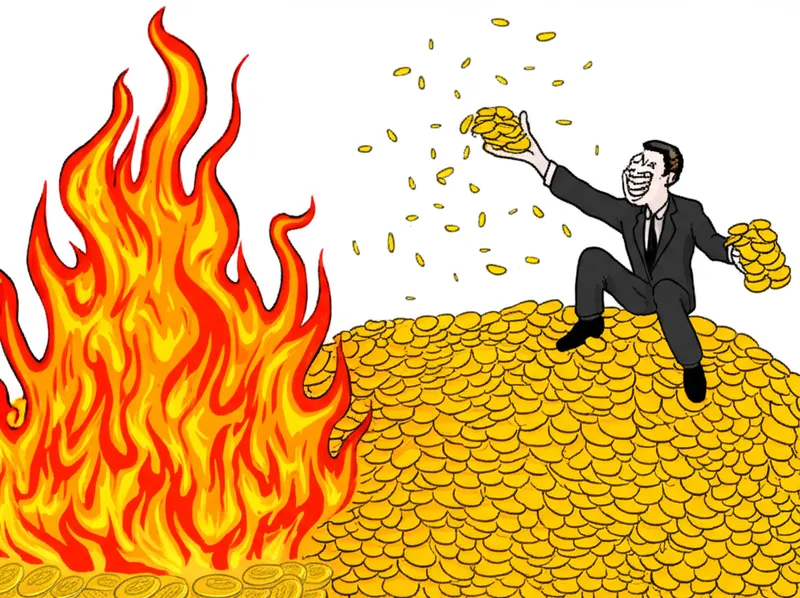
noun 다운로드 🔗공유 낭비하는 사람, 탕진자 Someone or something that wastes; someone who squanders or spends extravagantly. Examples : "He was a waster who spent all his money on lottery tickets and never saved a penny. " 그는 모든 돈을 복권에 탕진하고 한 푼도 저축하지 않는 낭비하는 사람이었다. person character economy AI와 채팅어휘 게임독해 연습
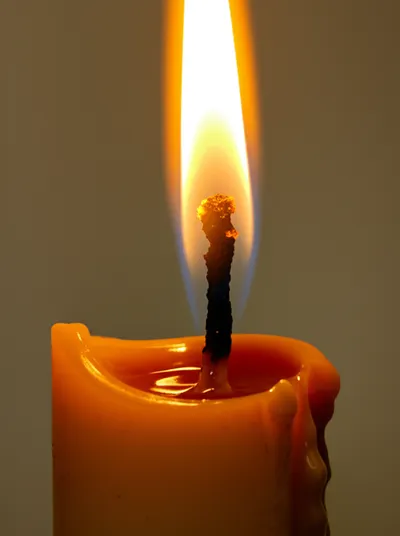
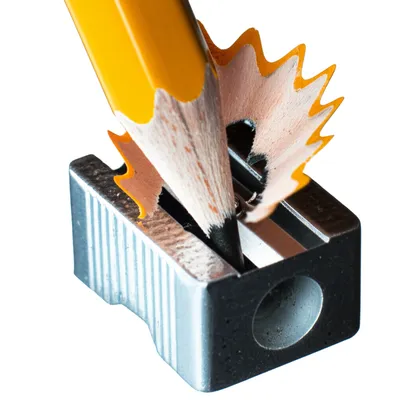
noun 다운로드 🔗공유 양초 심지의 결함 An imperfection in the wick of a candle, causing it to waste. Examples : ""Because of a waster in the wick, the candle burned down much faster than expected." " 심지의 결함 때문에 양초가 예상보다 훨씬 빨리 타버렸다. material substance item AI와 채팅어휘 게임독해 연습
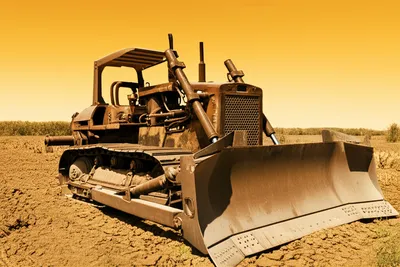
noun 다운로드 🔗공유 파괴자, 낭비자 A destroyer. Examples : "The flood was a waster of homes and businesses in the coastal town. " 홍수는 해안 마을의 주택과 사업체를 파괴하는 존재였다. person character negative AI와 채팅어휘 게임독해 연습
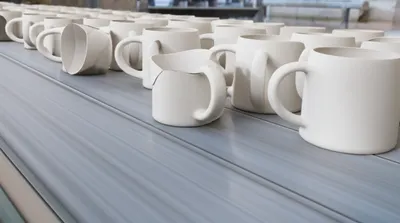
noun 다운로드 🔗공유 불량품, 폐기물 An item that is spoiled during its manufacture. Examples : ""That cracked plate is a waster from the pottery factory; it can't be sold." " 그 금이 간 접시는 도자기 공장의 불량품입니다. 팔 수 없습니다. item business industry AI와 채팅어휘 게임독해 연습
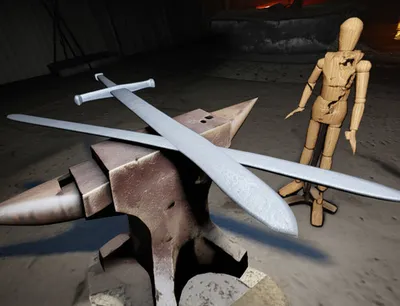
noun 다운로드 🔗공유 몽둥이; 무딘 칼날의 검 A kind of cudgel; also, a blunt-edged sword used as a foil. Examples : "The blacksmith hammered the waster into a blunt, heavy shape for the knight's practice. " 대장장이는 기사의 연습을 위해 몽둥이를 무딘, 무거운 모양으로 망치질했다. weapon utensil military history AI와 채팅어휘 게임독해 연습
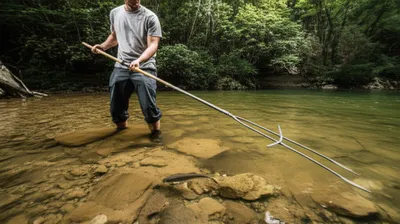
noun 다운로드 🔗공유 작살 A leister; a spear for catching fish. Examples : "The fisherman carefully sharpened his waster, preparing to spear salmon in the shallow stream. " 어부는 얕은 시내에서 연어를 작살로 잡기 위해 조심스럽게 작살을 갈았습니다. utensil fish weapon AI와 채팅어휘 게임독해 연습