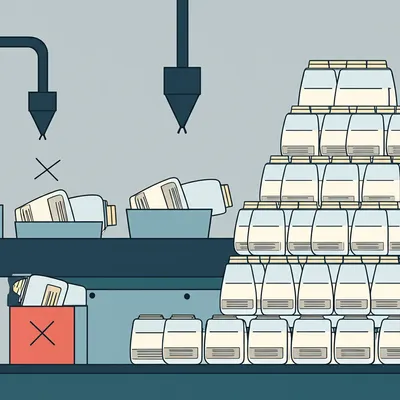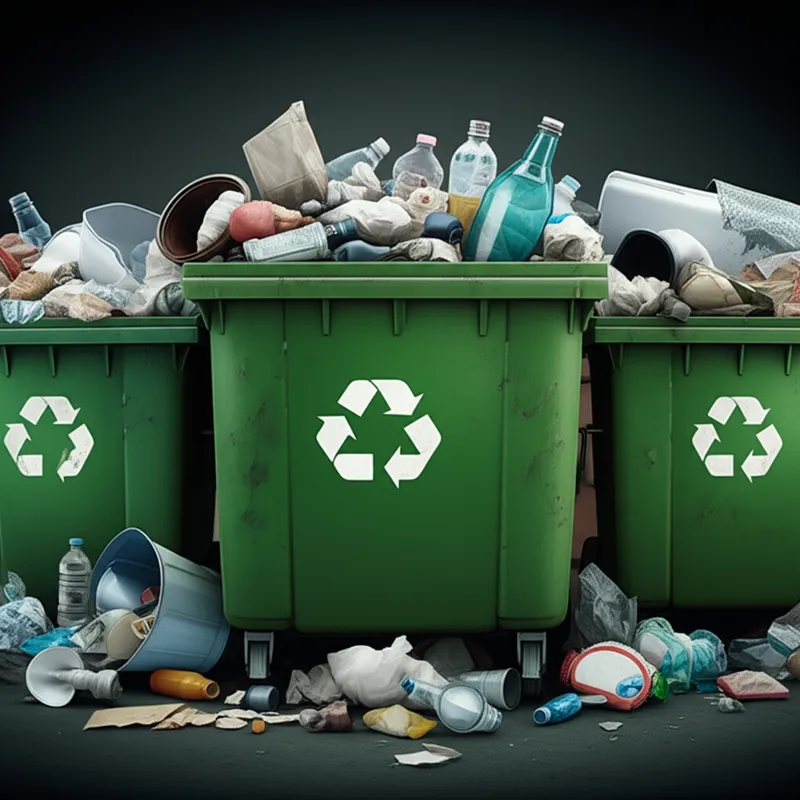

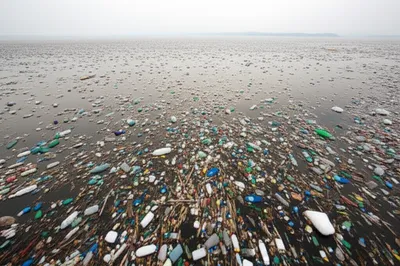

noun🔗Share쓰레기, 폐기물, 낭비Excess of material, useless by-products or damaged, unsaleable products; garbage; rubbish."The factory discarded a lot of waste material from the production process. "공장은 생산 과정에서 많은 폐기물을 버렸다.materialenvironmenteconomyessentialChat with AIVocabulary GamePractice Reading
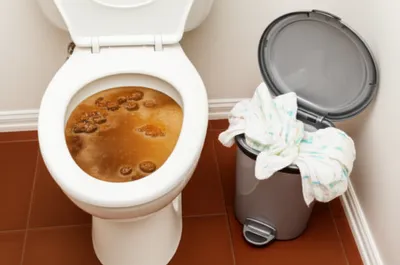
noun🔗Share배설물, 오줌Excrement or urine."The cage was littered with animal waste"우리에는 동물의 배설물이 흩어져 있었다.bodyphysiologyessentialChat with AIVocabulary GamePractice Reading
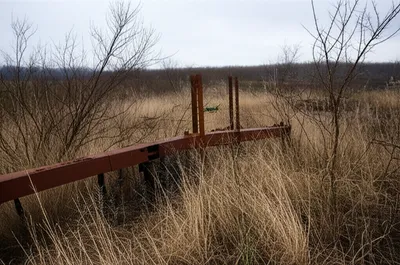
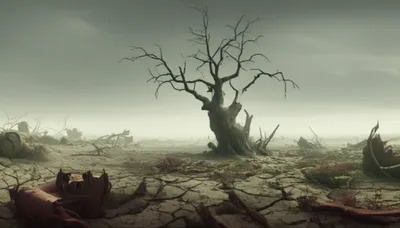
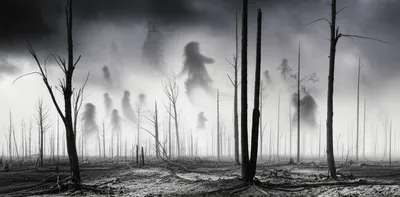
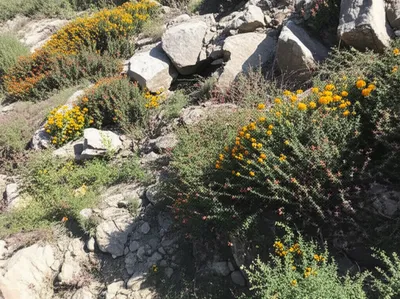
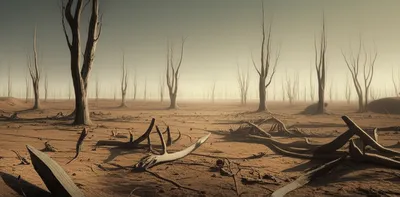
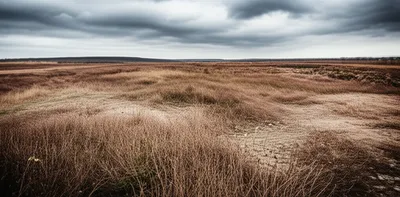
noun🔗Share황무지, 불모지, 황야A waste land; an uninhabited desolate region; a wilderness or desert."The abandoned farm turned into a waste after the family moved away. "버려진 농장은 가족이 이사간 후 황무지로 변했다.geographyenvironmentnatureareaessentialChat with AIVocabulary GamePractice Reading
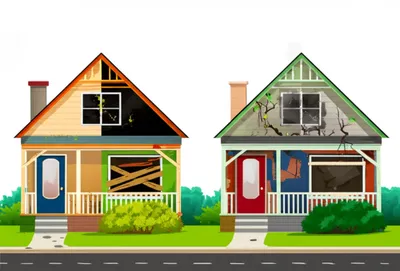
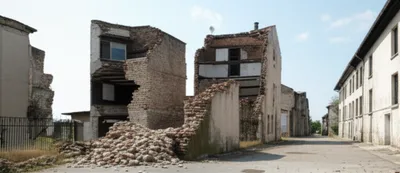
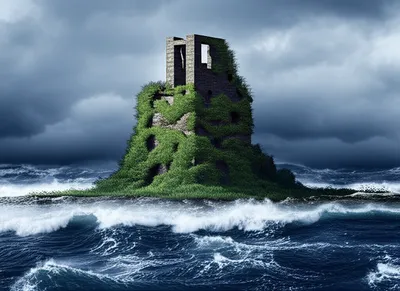
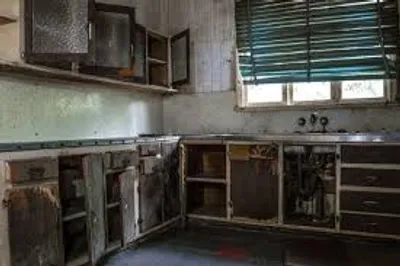
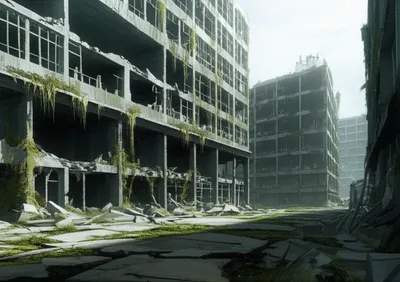
noun🔗Share황무지, 폐허A place that has been laid waste or destroyed."The old factory became a waste after the company closed. "오래된 공장은 회사가 문을 닫은 후 폐허가 되었다.disasterareaplaceenvironmentessentialChat with AIVocabulary GamePractice Reading
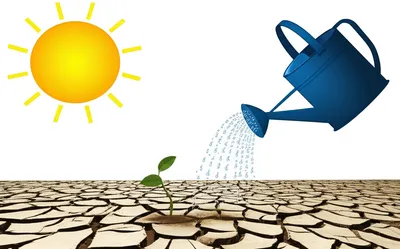
noun🔗Share황무지, 불모지A large tract of uncultivated land."The farmer bought land, a large waste, to plant crops. "농부는 작물을 심기 위해 넓은 황무지를 샀다.geographyareanatureenvironmentessentialChat with AIVocabulary GamePractice Reading
noun🔗Share황무지, 불모지The part of the land of a manor (of whatever size) not used for cultivation or grazing, nowadays treated as common land."The village's waste land was eventually turned into a community park. "마을의 황무지는 결국 커뮤니티 공원으로 바뀌었다.propertyagricultureenvironmentareahistoryessentialChat with AIVocabulary GamePractice Reading
noun🔗Share광활함, 넓이A vast expanse of water."The vast waste of the ocean is home to many different species of fish. "광활한 바다는 다양한 종류의 물고기들의 서식지이다.geographyoceanenvironmentessentialChat with AIVocabulary GamePractice Reading
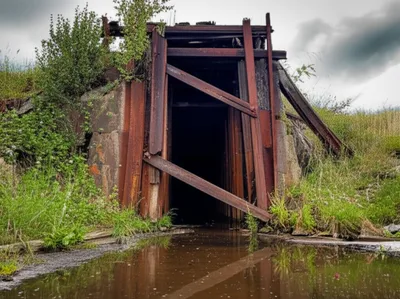
noun🔗Share폐광, 폐기물A disused mine or part of one."The old coal mine became a waste after the company stopped extracting coal. "오래된 석탄 광산은 회사가 석탄 채굴을 중단한 후 폐광이 되었다.geologyindustryessentialChat with AIVocabulary GamePractice Reading
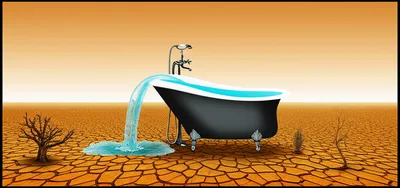
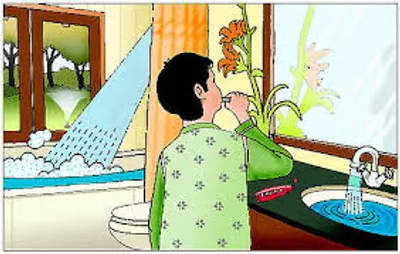
noun🔗Share낭비, 헛됨The action or progress of wasting; extravagant consumption or ineffectual use."Her life seemed a waste"그녀의 삶은 낭비처럼 보였다.economyenvironmentactionessentialChat with AIVocabulary GamePractice Reading
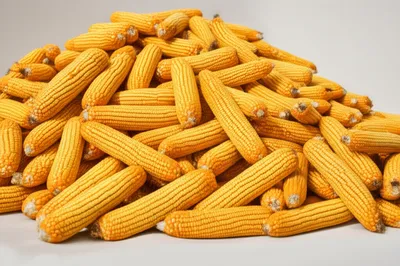
noun🔗Share낭비, 과다Large abundance of something, specifically without it being used."The store had a vast waste of unsold sweaters. "그 가게에는 팔리지 않은 스웨터가 엄청나게 많았다.amountenvironmenteconomyessentialChat with AIVocabulary GamePractice Reading
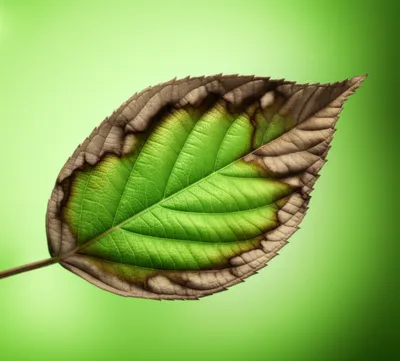
noun🔗Share낭비, 손실Gradual loss or decay."The slow waste of the old car's engine parts was evident in its unreliable performance. "오래된 자동차 엔진 부품의 느린 손실은 불안정한 성능에서 분명히 드러났다.physiologymedicinebiologyconditionessentialChat with AIVocabulary GamePractice Reading
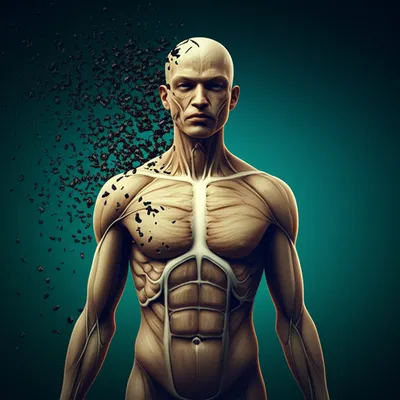
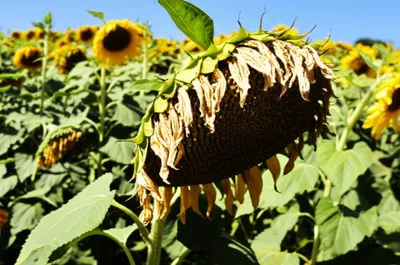
noun🔗Share쇠약, 낭비A decaying of the body by disease; wasting away."The child's illness resulted in a noticeable waste of muscle. "아이의 질병은 근육의 눈에 띄는 쇠약을 초래했다.diseasebodymedicinephysiologyessentialChat with AIVocabulary GamePractice Reading
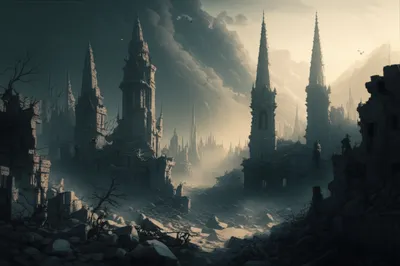
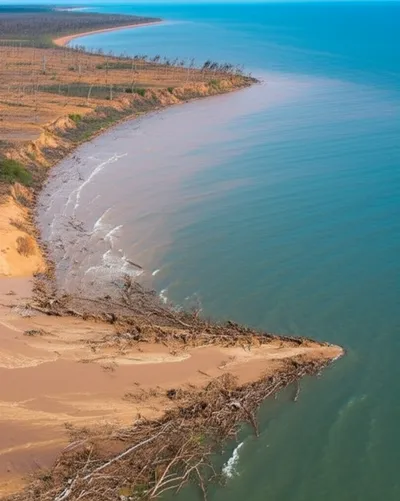
noun🔗Share황폐, 파괴Destruction or devastation caused by war or natural disasters; See "to lay waste""The devastating flood caused significant waste to the town's infrastructure. "파괴적인 홍수는 마을의 기반 시설에 상당한 피해를 입혔다.disasterwarenvironmentessentialChat with AIVocabulary GamePractice Reading
noun🔗Share낭비, 손실A cause of action which may be brought by the owner of a future interest in property against the current owner of that property to prevent the current owner from degrading the value or character of the property, either intentionally or through neglect."The homeowner's waste of the property, by allowing the roof to fall into disrepair, caused legal problems for the future owners. "지붕이 파손되도록 방치하여 집주인이 재산을 낭비한 것은 미래 소유자에게 법적 문제를 야기했습니다.propertylawvalueessentialChat with AIVocabulary GamePractice Reading
noun🔗Share퇴적물Material derived by mechanical and chemical erosion from the land, carried by streams to the sea."The river carried a lot of waste from the hillside down to the ocean. "강은 언덕에서 바다로 많은 퇴적물을 운반했다.geologyenvironmentgeographyessentialChat with AIVocabulary GamePractice Reading
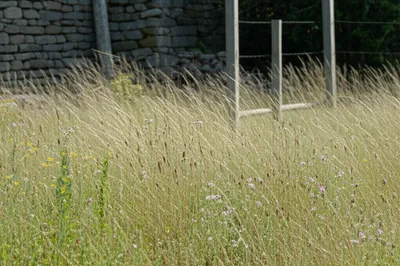
adjective🔗Share황폐한, 사람이 살지 않는Uncultivated, uninhabited."The farmer's field remained a waste area, unused and overgrown with weeds. "농부의 밭은 황폐한 지역으로 남아, 사용되지 않은 채 잡초로 뒤덮였다.environmentgeographynatureplaceessentialChat with AIVocabulary GamePractice Reading
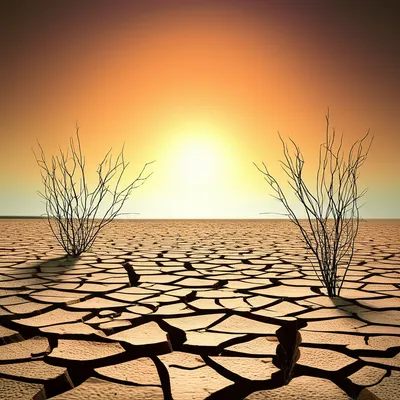
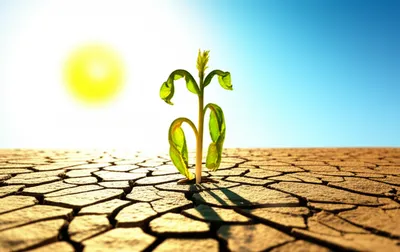
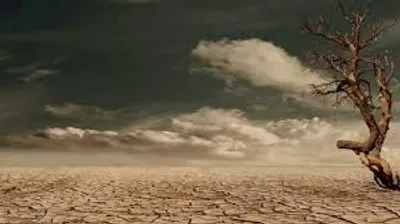
adjective🔗Share황폐한, 불모의Barren; desert."The desert landscape was a waste of sand and rock, offering no vegetation. "사막 풍경은 모래와 바위로 이루어진 황폐한 곳으로, 식물이 전혀 없었다.geographyenvironmentnatureessentialChat with AIVocabulary GamePractice Reading
adjective🔗Share불량품, 결함 있는, 과잉의Rejected as being defective; eliminated as being worthless; produced in excess."The factory rejected the waste plastic containers because they were flawed. "공장은 결함이 있는 플라스틱 용기를 결함이 있었기 때문에 거부했습니다.economybusinessindustryessentialChat with AIVocabulary GamePractice Reading
adjective🔗Share쓸데없는, 불필요한Superfluous; needless."The meeting was filled with waste information that didn't help us solve the problem. "회의는 문제를 해결하는 데 도움이 되지 않는 불필요한 정보로 가득했습니다.valuequalityessentialChat with AIVocabulary GamePractice Reading
adjective🔗Share암울한, 음울한Dismal; gloomy; cheerless."The meeting was a waste; the atmosphere was dismal and everyone felt gloomy. "회의는 암울했고, 분위기는 음울했으며 모두가 우울함을 느꼈다.emotionattitudecharactermindessentialChat with AIVocabulary GamePractice Reading
adjective🔗Share안타까운, 실망스러운Unfortunate; disappointing."The project was a waste of time and effort. "그 프로젝트는 시간과 노력을 낭비한 안타까운 일이었다.attitudeemotionnegativeessentialChat with AIVocabulary GamePractice Reading
verb🔗Share황폐화시키다, 파괴하다To devastate, destroy"The fire completely wasted the old school building. "불은 오래된 학교 건물을 완전히 파괴했다.disasterenvironmentwaressentialChat with AIVocabulary GamePractice Reading
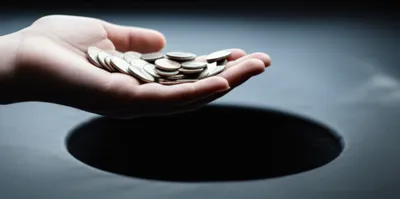
verb🔗Share낭비하다, 허비하다To squander (money or resources) uselessly; to spend (time) idly."We wasted millions of dollars and several years on that project."우리는 그 프로젝트에 수백만 달러와 여러 해를 낭비했다.economytimevalueessentialChat with AIVocabulary GamePractice Reading
verb🔗Share죽이다, 살해하다To kill; to murder."The jealous classmate tried to waste the star athlete's reputation. "질투심 많은 급우는 스타 운동선수의 명성을 망치려 했다.actionpolicemilitarywaressentialChat with AIVocabulary GamePractice Reading
verb🔗Share낭비하다, 소모하다, 닳게 하다To wear away by degrees; to impair gradually; to diminish by constant loss; to use up; to consume; to spend; to wear out."The constant arguing between siblings was slowly wasting away their parents' patience. "형제자매 간의 끊임없는 다툼은 부모님의 인내심을 서서히 갉아먹고 있었다.energymaterialenvironmenteconomyindustryessentialChat with AIVocabulary GamePractice Reading
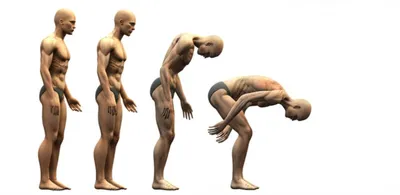
verb🔗Share수척해지다, 쇠약해지다Gradually lose weight, weaken, become frail."The elderly woman was wasting away, becoming weaker and thinner each day. "그 노부인은 쇠약해져 매일 점점 더 약해지고 말라갔다.medicinephysiologybodydiseaseconditionessentialChat with AIVocabulary GamePractice Reading
verb🔗Share줄어들다, 쇠퇴하다, 낭비하다To be diminished; to lose bulk, substance, strength, value etc. gradually."The old car's engine began to waste away, losing its power gradually over the years. "오래된 자동차의 엔진은 점차 쇠퇴하기 시작하여 수년에 걸쳐 서서히 힘을 잃었습니다.energyphysiologybodyconditionvalueessentialChat with AIVocabulary GamePractice Reading
verb🔗Share손상시키다, 낭비하다To damage, impair, or injure (an estate, etc.) voluntarily, or by allowing the buildings, fences, etc., to fall into decay."The careless tenant wasted the property by letting the roof fall into disrepair. "부주의한 세입자는 지붕이 수리되지 않아 무너지도록 방치하여 재산을 손상시켰다.propertyenvironmentessentialChat with AIVocabulary GamePractice Reading