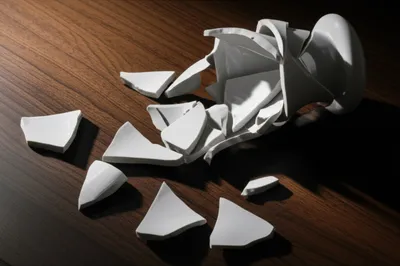


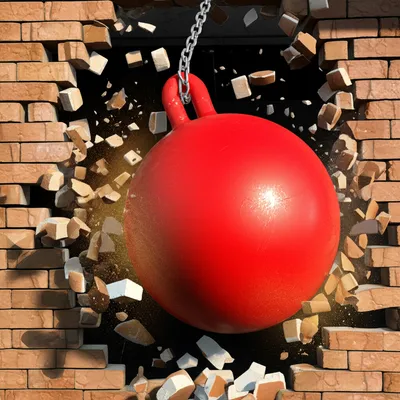
verb🔗Share파괴하다, 망가뜨리다To destroy violently; to cause severe damage to something, to a point where it no longer works, or is useless."He wrecked the car in a collision."그는 충돌 사고로 차를 망가뜨렸다.disasteractionconditionpropertyChat with AIVocabulary GamePractice Reading
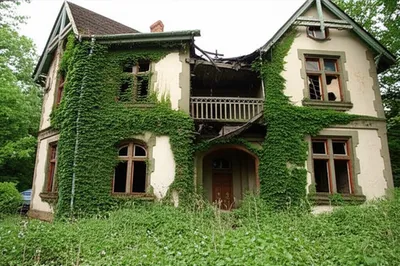
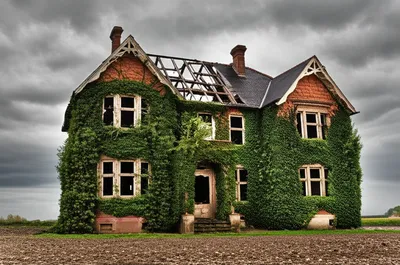
verb🔗Share파괴하다, 망치다To ruin or dilapidate."The heavy rain was wrecking the garden, flattening the flowers and washing away the soil. "폭우는 정원을 망쳐 꽃을 짓누르고 흙을 씻어냈다.disasterpropertyactionChat with AIVocabulary GamePractice Reading
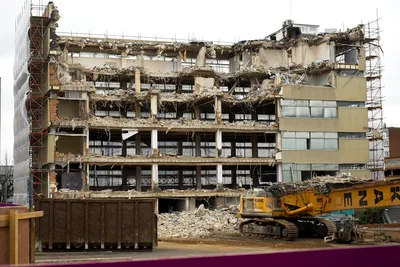
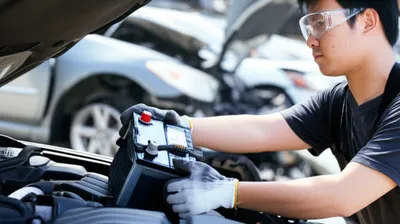
verb🔗Share해체하다, 파괴하다To dismantle wrecked vehicles or other objects, to reclaim any useful parts."The mechanic is wrecking the old car to get spare parts for other repairs. "정비공은 다른 수리를 위해 부품을 얻기 위해 낡은 차를 해체하고 있습니다.vehicleindustrymachinepropertytechnicaljobChat with AIVocabulary GamePractice Reading
verb🔗Share파괴하다, 망치다To involve in a wreck; hence, to cause to suffer ruin; to balk of success, and bring disaster on."His constant lateness was wrecking his chances of getting a promotion. "그의 잦은 지각은 승진할 기회를 망치고 있었다.disasteractionoutcomebusinesseconomyChat with AIVocabulary GamePractice Reading
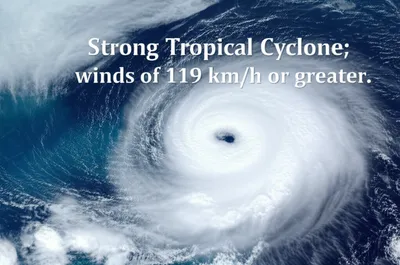
noun🔗Share파괴, 훼손The act by which something is wrecked."The hurricane's wrecking of the coastline caused widespread damage. "허리케인이 해안선을 파괴하여 광범위한 피해가 발생했습니다.disasteractioneventChat with AIVocabulary GamePractice Reading
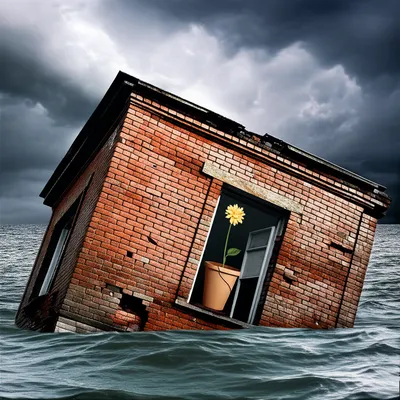
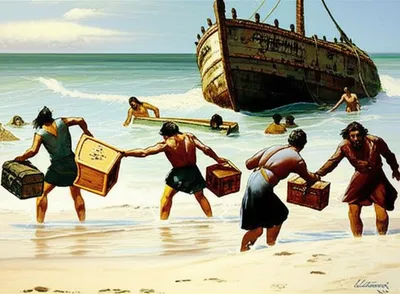
noun🔗Share난파, 난파선 약탈The taking of valuables from a shipwreck close to the shore."The old law forbidding wrecking along the coast was finally repealed, as it was rarely enforced and hard to justify in modern times. "해안가를 따라 난파선 약탈을 금지하는 옛 법이 마침내 폐지되었는데, 이는 거의 시행되지 않았고 현대 시대에 정당화하기 어려웠기 때문이다.nauticalpropertylawoceanChat with AIVocabulary GamePractice Reading