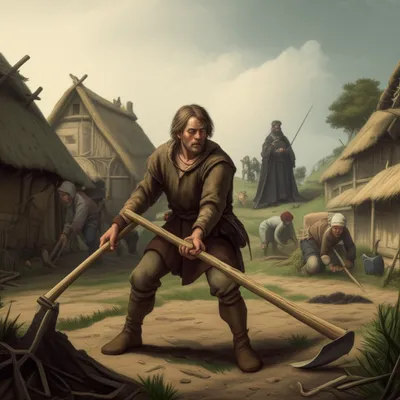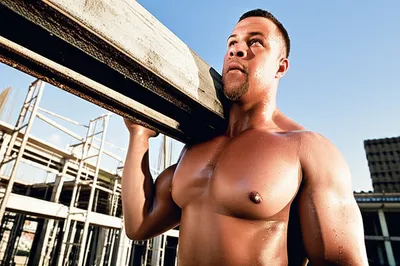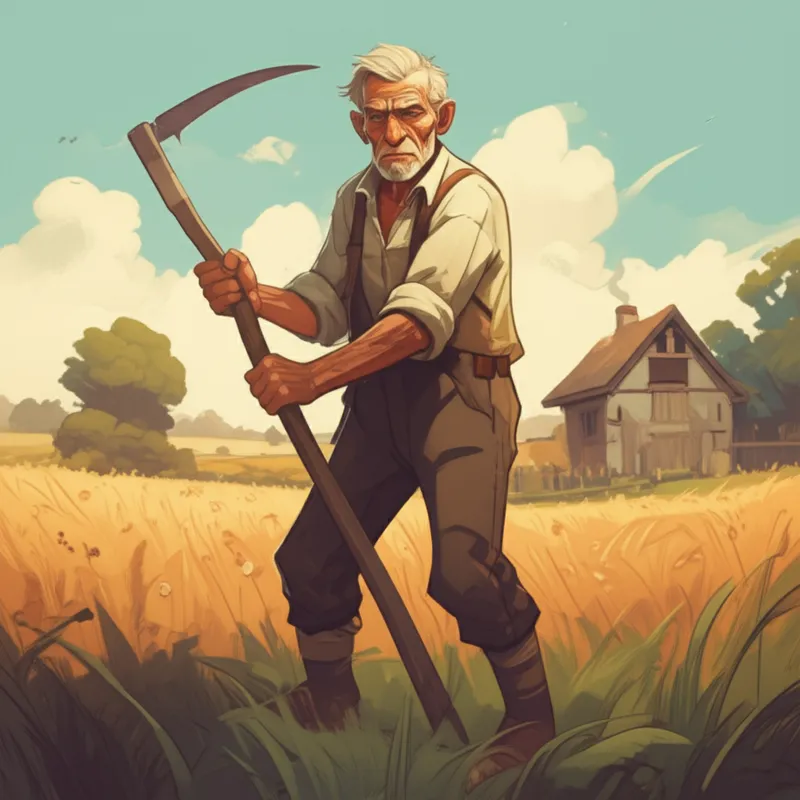
noun🔗Share农夫,乡下人,自由农民。 A rustic; a countryman or labourer; a free peasant (as opposed to a serf)."The village thrived because the churls worked the land diligently, providing food for everyone. "这个村庄之所以兴旺,是因为那些自由农民辛勤耕作,为大家提供了食物。personjobhistorysocietyagricultureChat with AIVocabulary GamePractice Reading
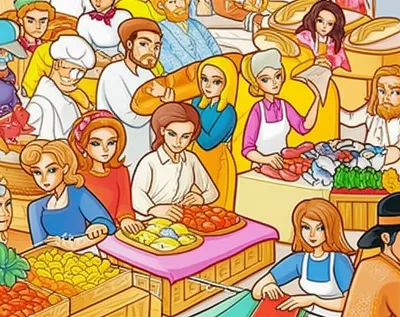
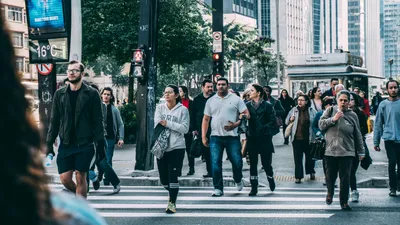
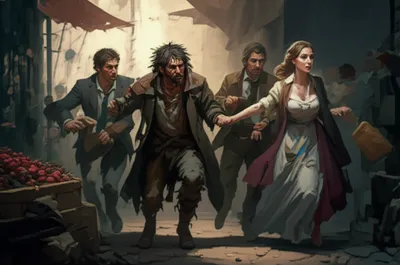
noun🔗Share粗汉,乡巴佬。 A rough, surly, ill-bred person; a boor."The shop was filled with polite customers, except for a few churls who complained loudly about the prices. "这家店里挤满了彬彬有礼的顾客,除了几个粗汉,他们大声抱怨价格太贵。personcharacterattitudeChat with AIVocabulary GamePractice Reading
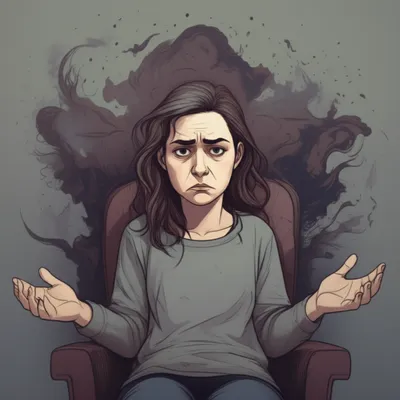
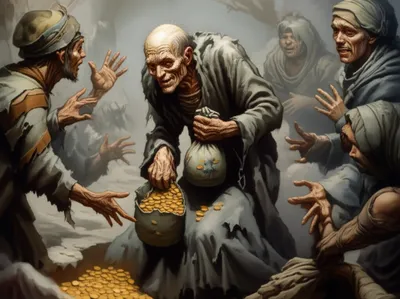
noun🔗Share吝啬鬼,守财奴。 A selfish miser; an illiberal person; a niggard."Even though he was wealthy, the townspeople considered Mr. Peterson and his family to be churls because they refused to donate to any local charities or help those in need. "即使彼得森先生很富有,镇上的人们仍然认为他和他的家人是吝啬鬼,因为他们拒绝向当地任何慈善机构捐款,也不愿帮助需要帮助的人。characterpersonattitudemoralChat with AIVocabulary GamePractice Reading
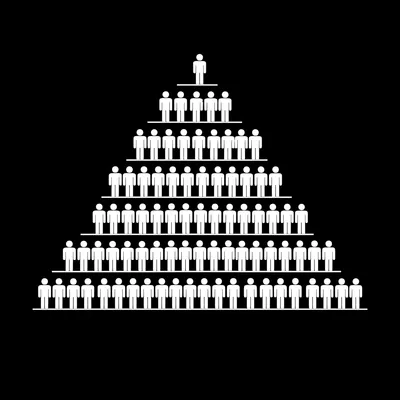
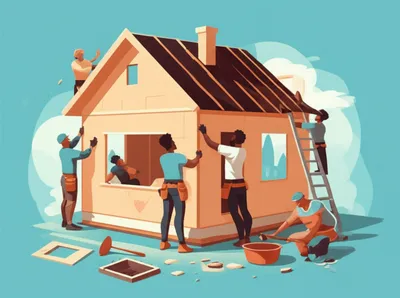
noun🔗Share自由民,农奴。 (Theodism) A freedman, ranked below a thane but above a thrall."In the Anglo-Saxon village hierarchy, the churls, as free farmers, had more rights than the enslaved thralls, but owed loyalty to the higher-ranking thanes. "在盎格鲁-撒克逊村庄的等级制度中,自由民作为自由农,比被奴役的农奴拥有更多的权利,但要效忠于地位更高的贵族。historypersonsocietyChat with AIVocabulary GamePractice Reading