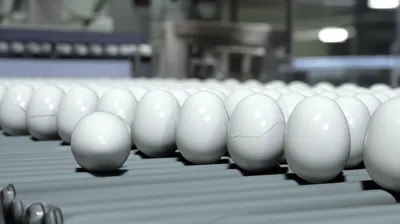
noun 下载 🔗分享 次品,残次品。 A person or thing considered to be defective. Examples : "The company recalled the toy car because it contained a known defective that could pose a safety hazard to children. " 公司召回了这款玩具车,因为它含有一个已知的次品,可能会对儿童造成安全隐患。 person thing quality condition toeic 与AI对话词汇游戏阅读练习
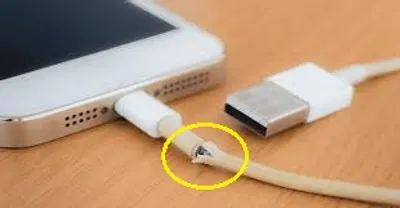
adjective 下载 🔗分享 有缺陷的,残次的。 Having one or more defects. Examples : "The new computer monitor was defective; it wouldn't turn on. " 这台新的电脑显示器是残次的;它根本无法开机。 quality condition technical toeic 与AI对话词汇游戏阅读练习
adjective 下载 🔗分享 残缺的,不完整的 (cánquē de, bùwánzhěng de) (grammar, of a lexeme, especially a verb) Lacking some forms; e.g., having only one tense or being usable only in the third person. Examples : "The student's grammar textbook contained examples of a defective verb, one that only existed in the past tense form. " 这本学生的语法课本包含了一些残缺动词的例子,这种动词只有过去式形式。 grammar language linguistics toeic 与AI对话词汇游戏阅读练习
adjective 下载 🔗分享 有残缺的,不完整的 (Arabic grammar, of a verb) Having a root whose final consonant is weak (ي, و, or ء). Examples : "The Arabic verb "safa" (to travel) is defective because its root consonant "f" is followed by a weak "a" (the vowel). " 阿拉伯语动词 "safa" (旅行) 是一个残缺动词,因为它词根的辅音 "f" 后面跟着一个弱音 "a" (元音)。 grammar language linguistics toeic 与AI对话词汇游戏阅读练习