







interjection🔗Share寄托哀思, 缅怀。 Used to profess respect for a deceased person, or for something that has been lost."Our old neighborhood park, where we spent our childhoods playing, is being torn down to build apartments. F. "我们小时候玩耍的老社区公园,现在要被拆掉盖公寓了。唉。cultureexclamationtraditionChat with AIVocabulary GamePractice Reading
interjection🔗Share哎,唉。 Used to express regret or disappointment about an unfortunate event or piece of information."F, I forgot my lunch at home! "哎,我把午饭忘在家里了!emotionlanguageexclamationChat with AIVocabulary GamePractice Reading
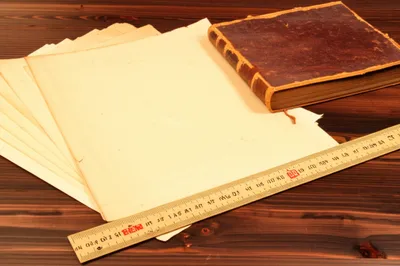
noun🔗Share对开本 (abbreviation) Folio, paper and book size (10"-12.5" x 15"-20")"The rare, antique book was quite large, measuring in the f, or folio, size category. "这本罕见的古董书非常大,尺寸属于对开本,也就是英语里的“f”或“folio”大小。stationerymaterialChat with AIVocabulary GamePractice Reading
noun🔗Share女性,阴性 That which is feminine."The artist explored the concept of the feminine in her latest sculpture. "这位艺术家在她最新的雕塑作品中探索了女性特质的概念。sexbeinghumanChat with AIVocabulary GamePractice Reading
noun🔗Share妇人,女子. (possibly obsolete) A woman."While rare and potentially offensive today, in old literature, a "f" might refer to a woman, as in: "The old manuscript described the queen as a noble f." "虽然今天这种用法很少见,而且可能带有冒犯意味,但在古代文学中,“f”可能指“妇人”或“女子”,例如: “那份古老的手稿将女王描述为一位高贵的f(妇人)。”personhumanChat with AIVocabulary GamePractice Reading
noun🔗Share阴性,女性。 (grammar) The feminine gender."In Spanish class, we learned that "la" is an article used before nouns of the f (feminine gender). "在西班牙语课上,我们学到“la”是用在阴性名词前的一个冠词。grammarlanguagelinguisticsChat with AIVocabulary GamePractice Reading
noun🔗Share阴性词,阴性名词 (grammar) A word of the feminine gender."In French class, we learned that "la table" is an f, because it is a feminine noun. "在法语课上,我们学到“la table”是阴性词(f.),因为它是一个阴性名词。grammarlanguagelinguisticswordChat with AIVocabulary GamePractice Reading