



noun🔗Share教条主义者,武断的人。 One of an ancient sect of physicians who went by general principles; opposed to the empiric."The dogmatic, with their focus on established theories, were criticized for rejecting new treatments for the common cold. "这些教条主义者们,因为只关注既定理论,而拒绝尝试治疗普通感冒的新方法,受到了批评。medicinephilosophydoctrinehistoryChat with AIVocabulary GamePractice Reading
adjective🔗Share教条的,武断的。 Adhering only to principles which are true a priori, rather than truths based on evidence or deduction."The professor's lectures were very dogmatic; he refused to consider any alternative interpretations of the historical events, insisting his own pre-conceived notions were the only correct ones. "那位教授的讲课非常教条;他拒绝考虑对历史事件的任何其他解读,坚持认为他自己先入为主的观念是唯一正确的。philosophydoctrineattitudemindlogicChat with AIVocabulary GamePractice Reading
adjective🔗Share教条的,武断的。 Pertaining to dogmas; doctrinal."The teacher's dogmatic approach to history left little room for student questions. "这位老师教授历史的方式非常教条,几乎不给学生提问的空间。doctrinephilosophyreligiontheologyattitudecharactermindChat with AIVocabulary GamePractice Reading
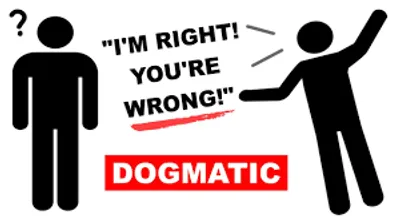
adjective🔗Share教条的,武断的。 Asserting dogmas or beliefs in a superior or arrogant way; opinionated, dictatorial."The professor's dogmatic approach to teaching history, refusing to consider alternative interpretations, frustrated many students. "这位教授在教授历史时非常教条,总是以一种自以为是的方式坚持自己的解读,完全不考虑其他的观点,这让很多学生感到很沮丧。attitudecharacterphilosophydoctrinetheologyreligionmoralmindChat with AIVocabulary GamePractice Reading