





noun🔗Share习惯性动作,怪癖. A noticeable personal habit, a verbal or other (often, but not necessarily unconscious) habitual behavior peculiar to an individual."My brother has a noticeable mannerism of tapping his foot rhythmically while he's listening. "我 弟弟 有 个 很 明显 的 习惯性 动作,就是 听 东西 的 时候 会 不 自觉 地 有 节奏 地 敲 脚。characterhumanmindpersonChat with AIVocabulary GamePractice Reading
noun🔗Share矫揉造作,装腔作势。 Exaggerated or affected style in art, speech, or other behavior."The student's mannerism of constantly tapping their pencil was distracting to the whole class. "那个学生总是不停地敲铅笔,这种矫揉造作的习惯让全班都无法集中注意力。stylecharacterChat with AIVocabulary GamePractice Reading
noun🔗Share矫揉造作,风格主义。 In literature, an ostentatious and unnatural style of the second half of the sixteenth century. In the contemporary criticism, described as a negation of the classicist equilibrium, pre-Baroque, and deforming expressiveness."The student's essay exhibited a noticeable mannerism, relying on overly dramatic language, a stylistic choice characteristic of the literary mannerism of the 16th century. "这篇学生的文章明显带有风格主义的矫揉造作,过度使用戏剧化的语言,这种风格选择正是16世纪文学风格主义的典型特征。styleliteratureartlanguageChat with AIVocabulary GamePractice Reading
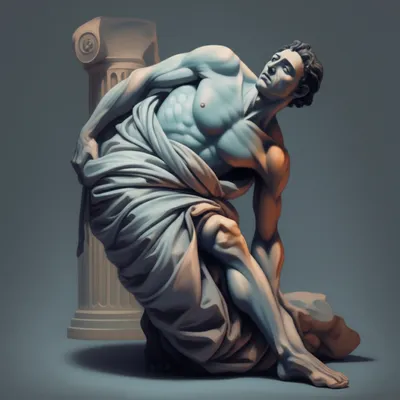
noun🔗Share风格主义,矫饰主义。 In fine art, a style that is inspired by previous models, aiming to reproduce subjects in an expressive language."The student's painting exhibited a strong mannerism, clearly inspired by the works of Rembrandt, aiming to capture the emotional depth of the subject matter. "这名学生的画作表现出强烈的风格主义倾向,显然受到了伦勃朗作品的启发,试图以一种富有表现力的方式捕捉主题的情感深度。artstyleChat with AIVocabulary GamePractice Reading