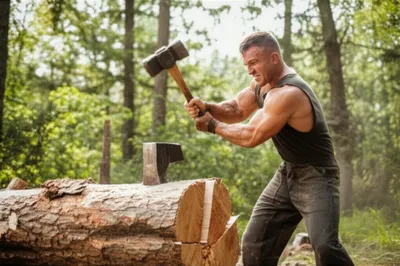
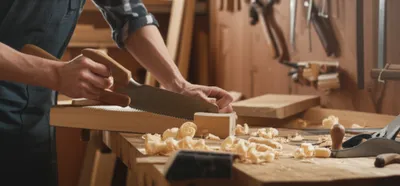
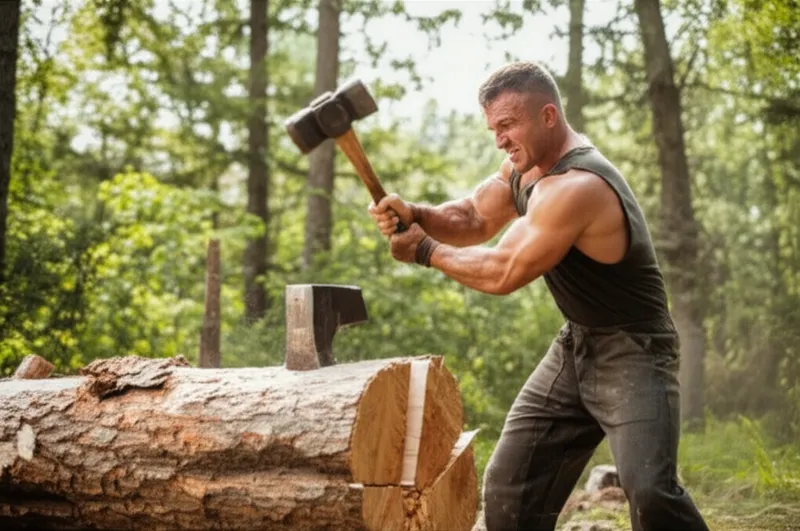
noun 下载 🔗分享 大槌,木槌 A heavy long-handled hammer, used for splitting logs by driving a wedge into them, or in combat. Examples : "The carpenter used the heavy maul to split the logs for the new fence. " 木匠用那把沉重的木槌劈开木头,准备做新的栅栏。 weapon utensil machine 与AI对话词汇游戏阅读练习
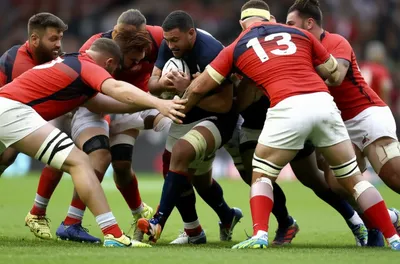
noun 下载 🔗分享 争球, 混战. A situation where the player carrying the ball, who must be on his feet, is held by one or more opponents, and one or more of the ball carrier's team mates bind onto the ball carrier. Examples : "The referee blew his whistle, signaling a maul after the tackler held onto the player with the ball, and his teammates joined in to drive forward. " 裁判吹响了哨子,因为防守队员抱住了持球人,并且持球人的队友也加入了进来想要向前推进,所以裁判判罚了争球/混战。 sport 与AI对话词汇游戏阅读练习
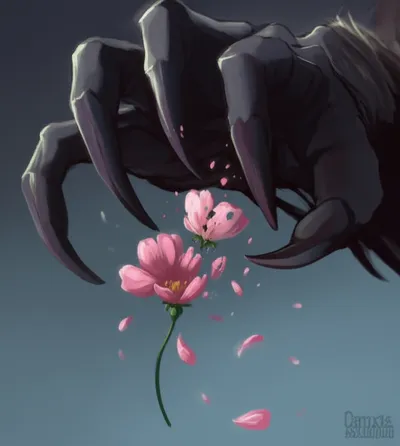
verb 下载 🔗分享 粗暴对待, 虐待。 To handle someone or something in a rough way. Examples : "The angry student mauled the textbook, slamming it on the desk. " 愤怒的学生粗暴地对待课本,把它猛地摔在桌子上。 action animal body war 与AI对话词汇游戏阅读练习
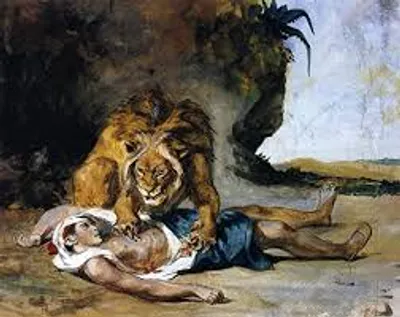
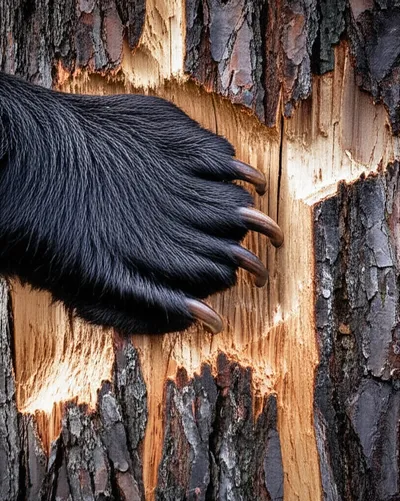
verb 下载 🔗分享 撕咬, 猛攻 To savage; to cause serious physical wounds (usually used of an animal). Examples : "The bear mauled him in a terrible way." 那只熊狠狠地撕咬了他,把他伤得很重。 animal action body 与AI对话词汇游戏阅读练习
verb 下载 🔗分享 严厉批评,痛斥 To criticise harshly. Examples : "The teacher mauled his student's essay, pointing out many errors and flaws. " 老师把学生的作文狠狠地批评了一顿,指出了很多错误和缺点。 communication media language 与AI对话词汇游戏阅读练习
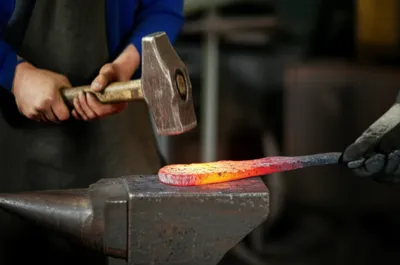
verb 下载 🔗分享 猛击,重击。 To beat with the heavy hammer called a maul. Examples : "The carpenter mauled the wood with the heavy maul, making a deep dent. " 木匠用大锤猛击木头,砸出了一个深坑。 action weapon 与AI对话词汇游戏阅读练习