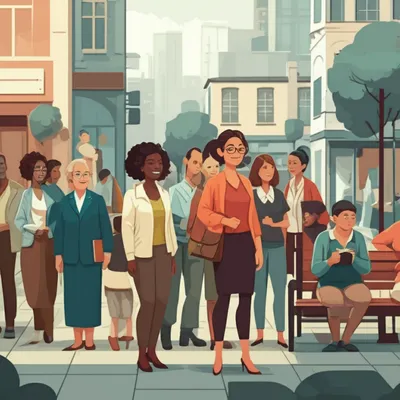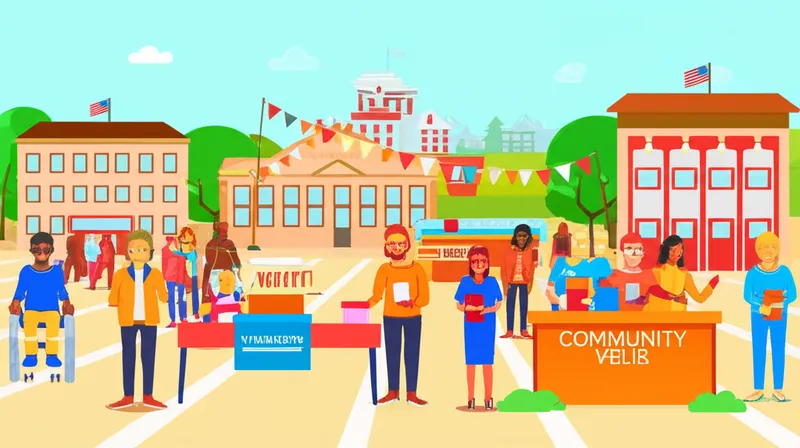



noun🔗Share市民、住民A resident of a city or town, especially one with legally-recognized rights or duties."The citizens of our town voted for a new mayor in the election. "私たちの町の市民は選挙で新しい市長に投票しました。politicsgovernmentnationstatesocietylawpersonhumanrightChat with AIVocabulary GamePractice Reading
noun🔗Share市民A legally-recognized member of a state, with associated rights and obligations; a person considered in terms of this role."As citizens of this town, we have the right to vote and the obligation to pay taxes. "この町の市民として、私たちは投票する権利と納税の義務があります。politicsgovernmentnationstaterightpersonhumansocietylawChat with AIVocabulary GamePractice Reading
noun🔗Share市民、住民An inhabitant or occupant: a member of any place."Diogenes reckoned himself a citizen of the world."ディオゲネスは自分を世界の市民と見なした。nationgovernmentpoliticssocietystatepersonChat with AIVocabulary GamePractice Reading
noun🔗Share天国の都の住人、キリスト教徒A resident of the heavenly city or (later) of the kingdom of God: a Christian; a good Christian."The pastor encouraged his congregation to live as citizens of heaven, reflecting God's love in their daily interactions and choices. "牧師は、信徒たちに天国の住人として生き、日々の交流や選択の中で神の愛を反映するように励ました。religiontheologysoulpersonChat with AIVocabulary GamePractice Reading
noun🔗Share民間人、市民A civilian, as opposed to a police officer, soldier, or member of some other specialized (usually state) group."The police asked the citizens who witnessed the accident to give their statements. "警察は、事故を目撃した市民に証言を求めました。humanpersonstategovernmentpoliticssocietylawChat with AIVocabulary GamePractice Reading
noun🔗Share市民An ordinary person, as opposed to nobles and landed gentry on one side and peasants, craftsmen, and laborers on the other."While the king and his court held power, the citizens of the town managed their own businesses and farms, representing the common people who were neither royalty nor serfs. "王と彼の宮廷が権力を握る中、町の市民は自分たちのビジネスと農場を管理し、王族でも農奴でもない一般の人々を代表していました。personsocietypoliticshistoryChat with AIVocabulary GamePractice Reading
noun🔗Share市民(usually capitalized) A term of address among French citizens during the French Revolution or towards its supporters elsewhere; (later, dated) a term of address among socialists and communists."During the French Revolution, a revolutionary might greet another with "Bonjour, citizens!" to show solidarity. "フランス革命の間、革命家は連帯を示すために他の人に「ボンジュール、市民!」と挨拶することがあった。politicshistorygovernmentsocietylanguageChat with AIVocabulary GamePractice Reading
noun🔗Share物体An object."The art museum displayed various ceramic citizens, each one a small, detailed sculpture. "美術館は、それぞれが小さく詳細な彫刻である、さまざまな陶器の物体を展示しました。personsocietynationgovernmentpoliticsChat with AIVocabulary GamePractice Reading